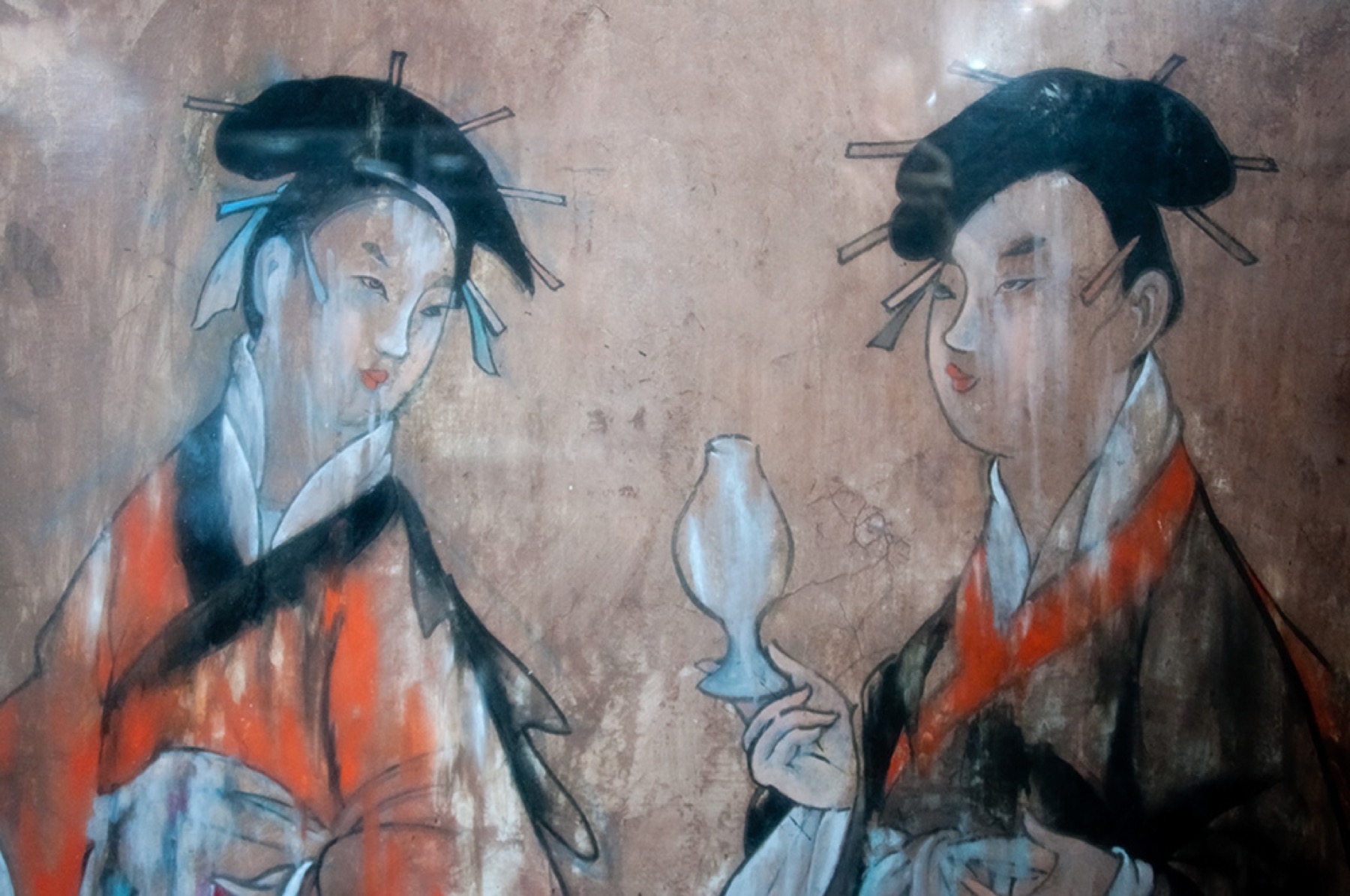
Hanfu is often introduced through a beautiful silhouette. A closer encounter begins when we ask what the garment is doing: how it is cut, how it moves, which past it evokes, and why people choose to wear it now.
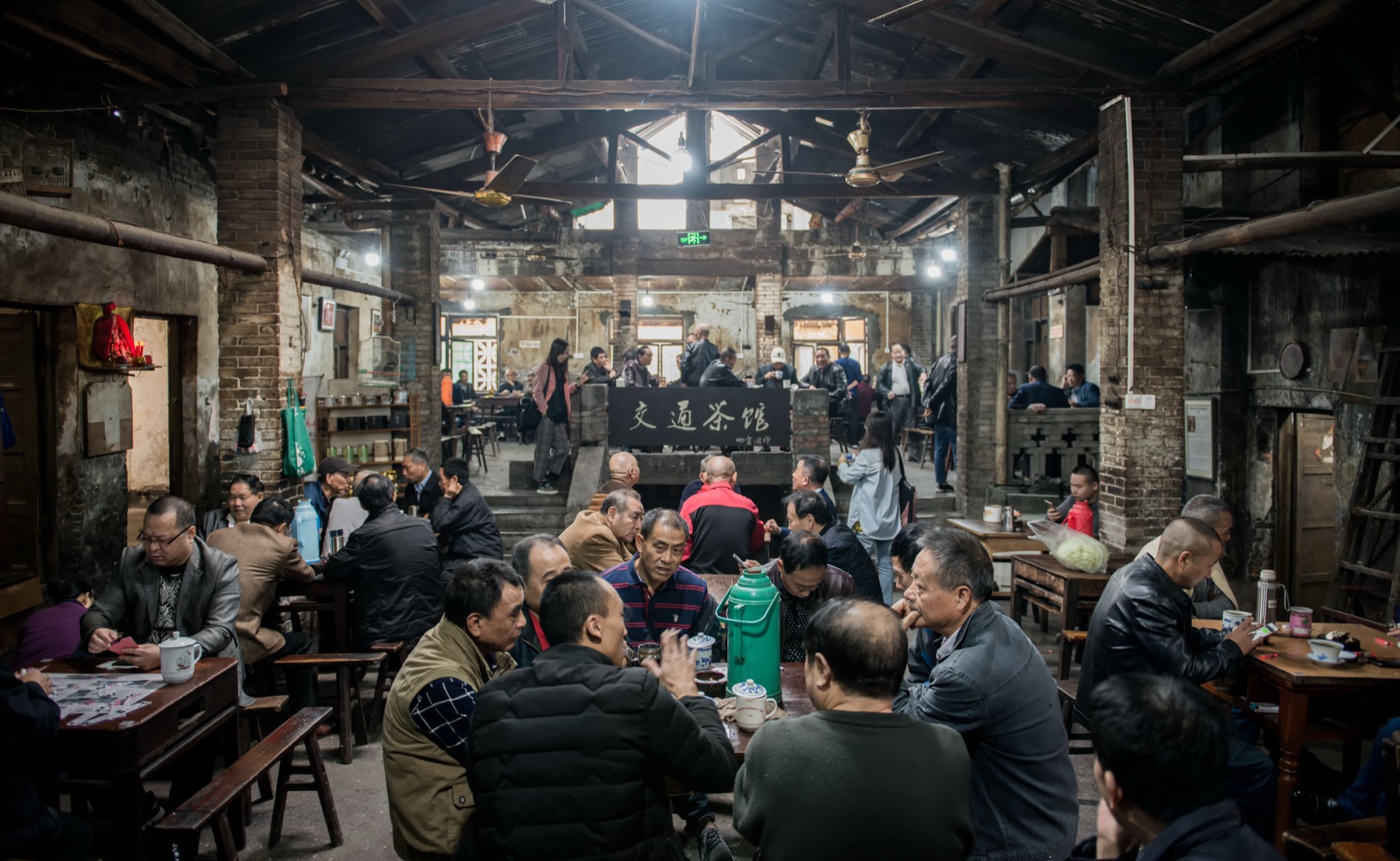
Chinese tea culture is not one ceremony repeated everywhere. It is a living field of regional knowledge, skilled making, hospitality and ordinary pauses. The best first lesson may be learning how to notice.
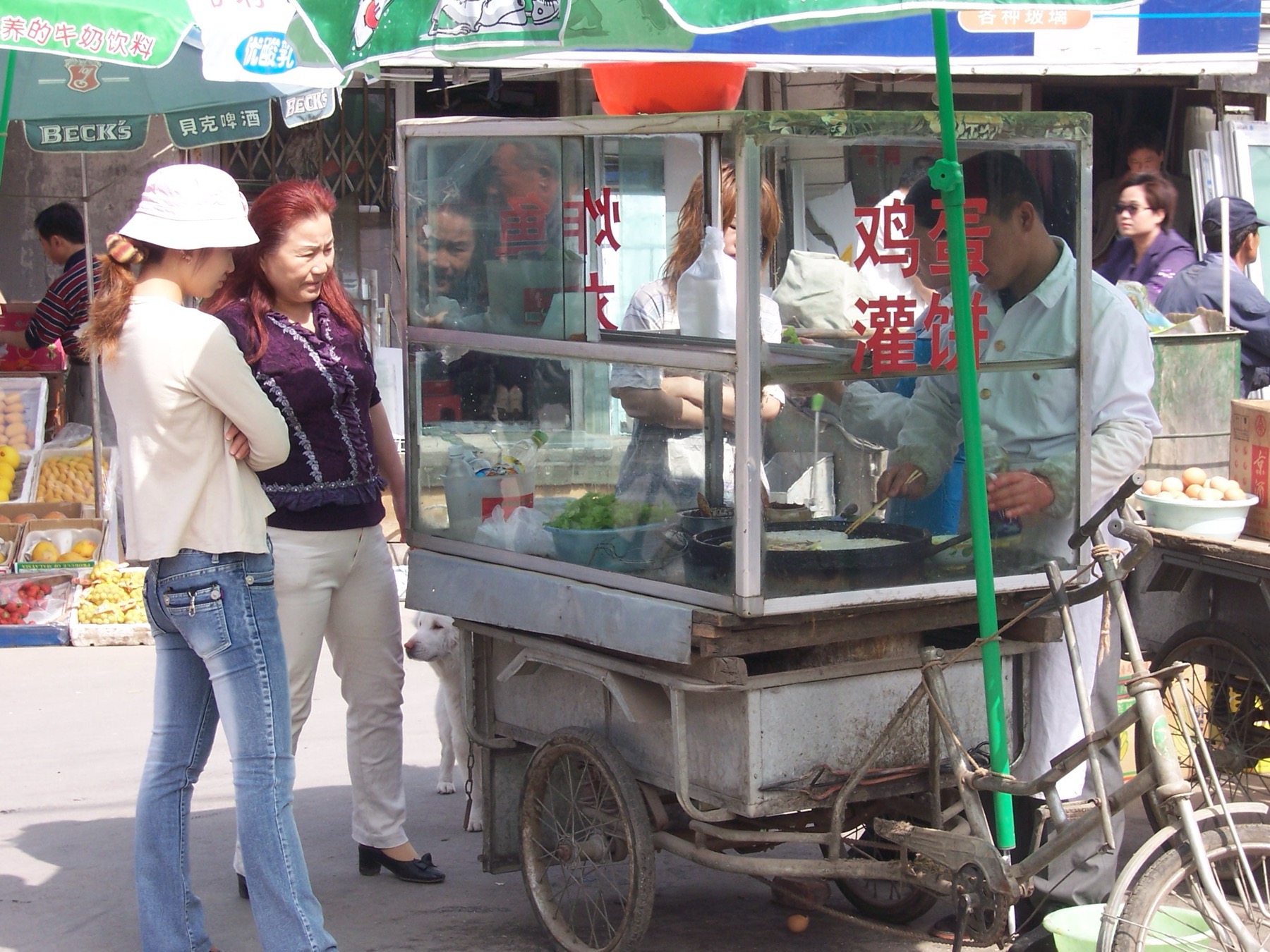
There is no national plate that can explain how China begins the day. Breakfast becomes more interesting when we stop asking for the typical meal and start following particular streets, climates and routines.
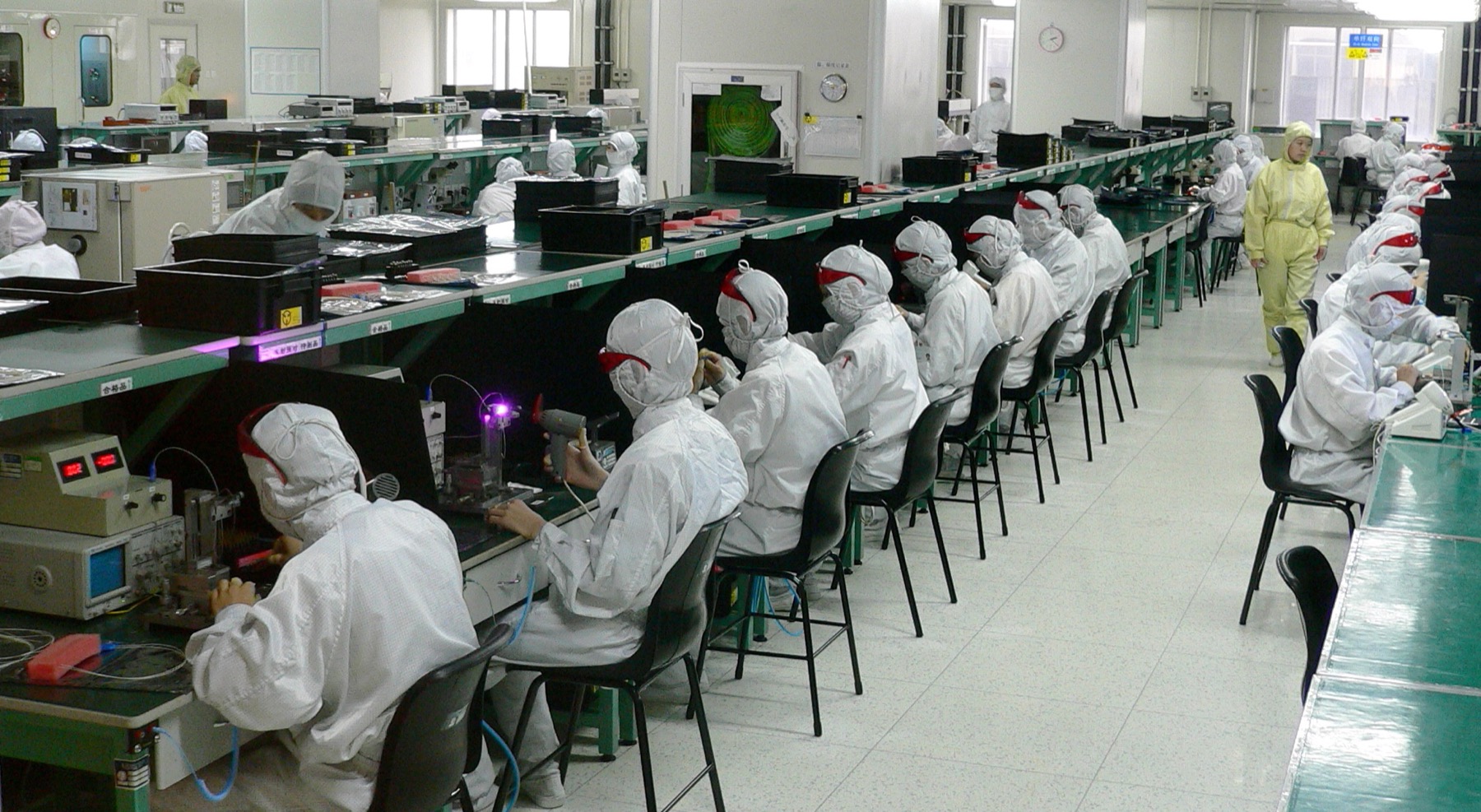
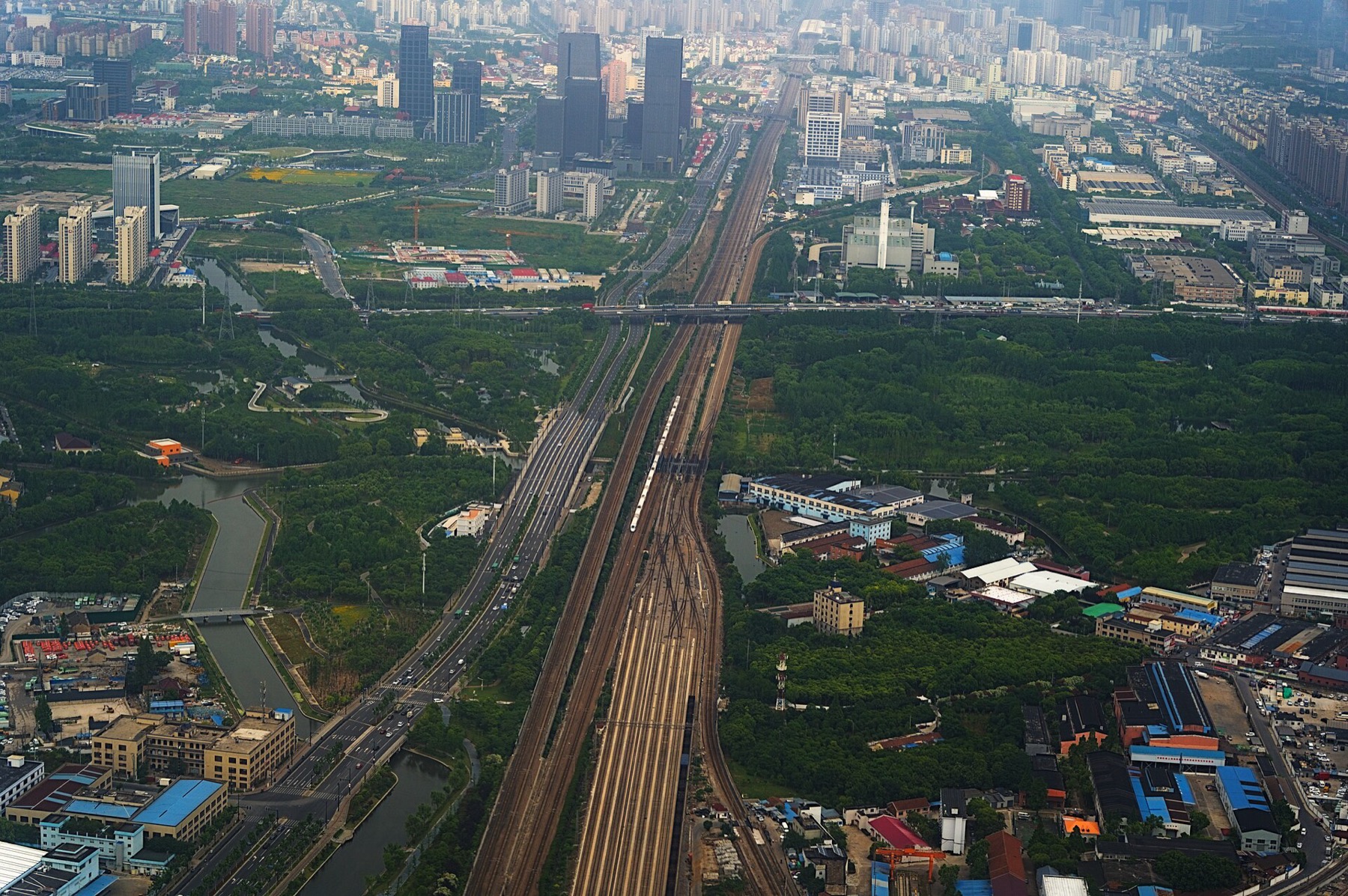
A new kind of visitor is arriving in China with questions about components, prototypes and speed. Shenzhen helps explain why innovation is not only an idea: it is also a place, a network and a physical process.
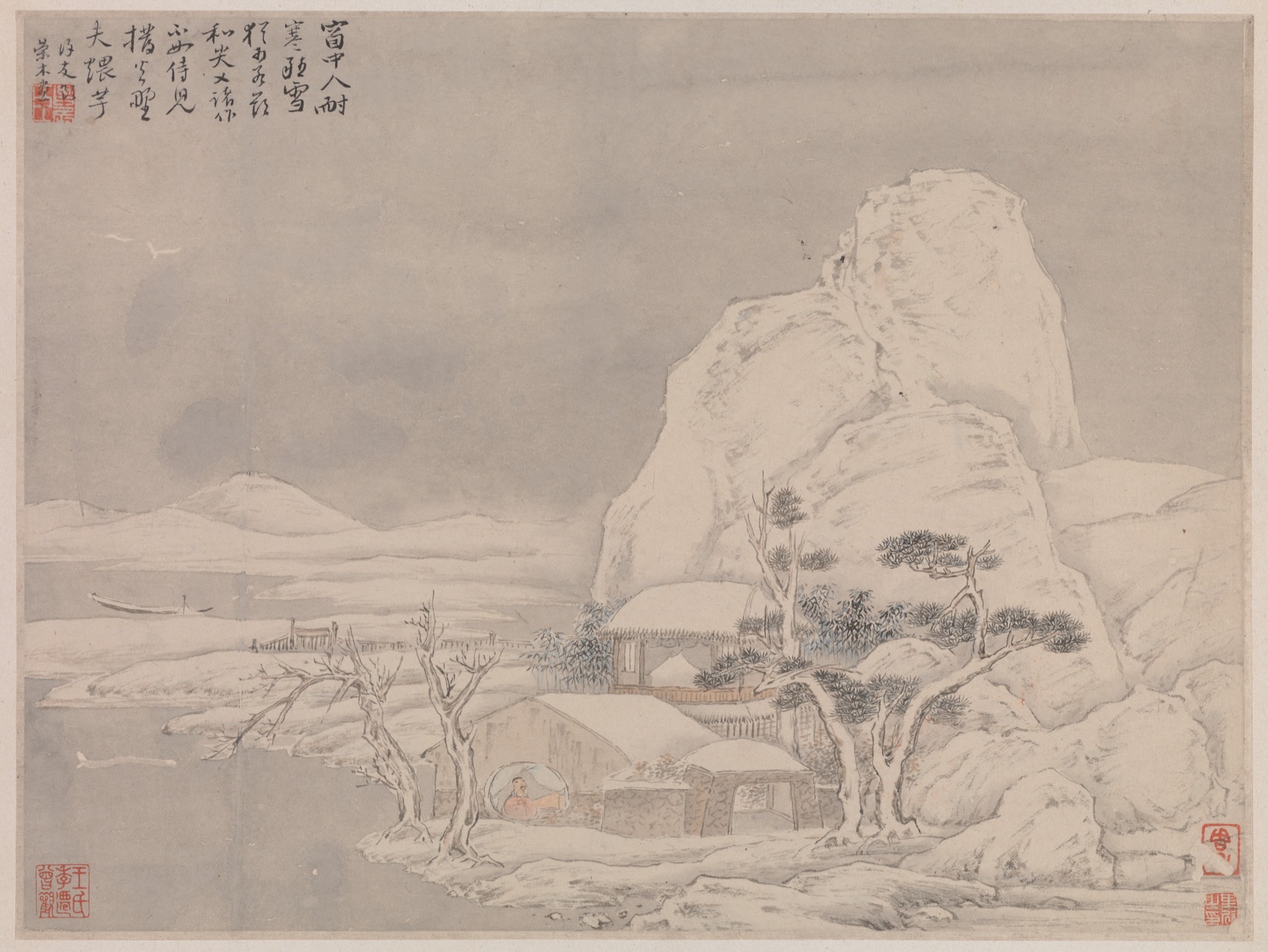
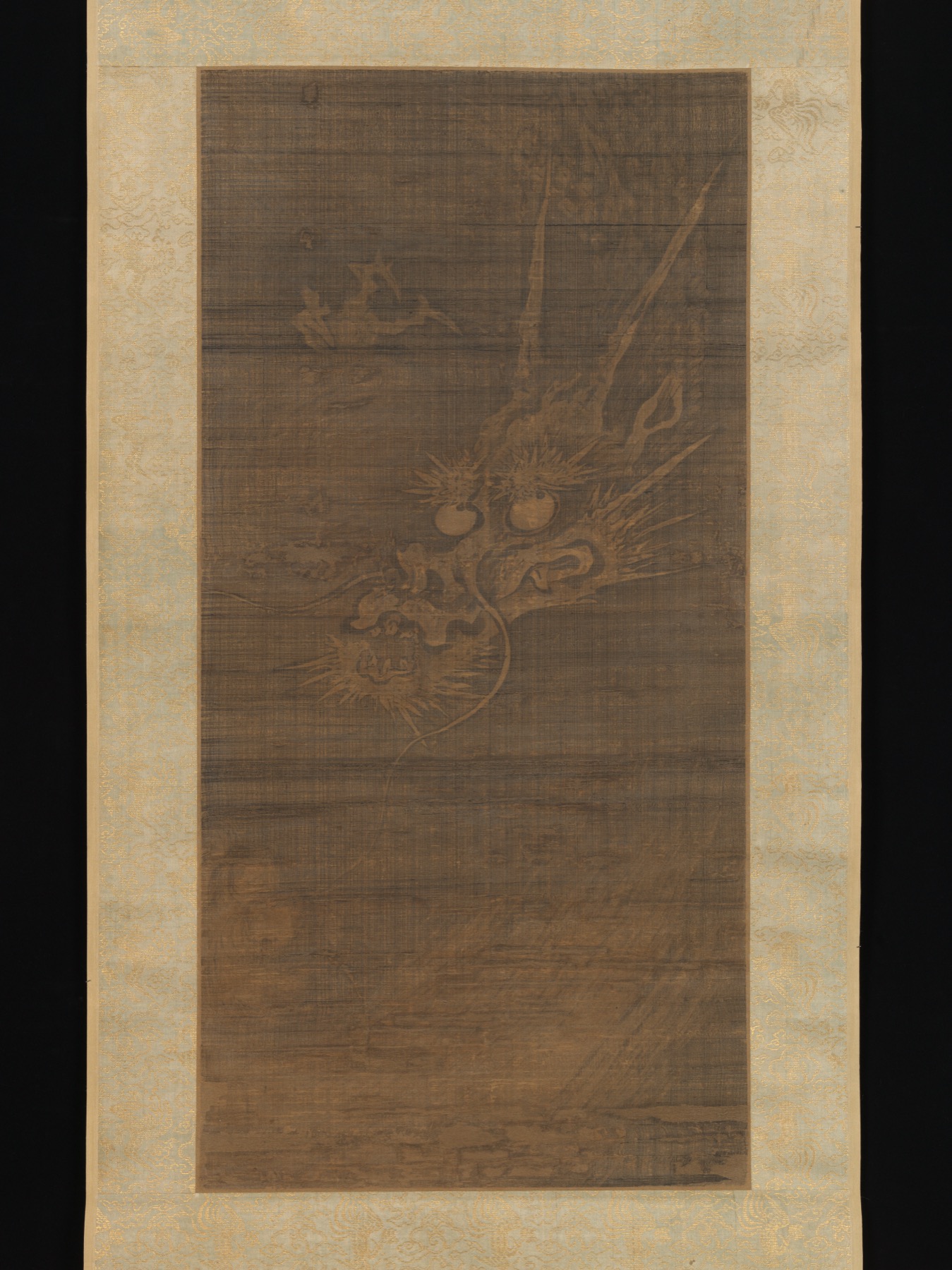
In a Chinese landscape, an unpainted passage may be mist, water, distance or breath. Learning to see what is absent changes the way the whole painting moves.
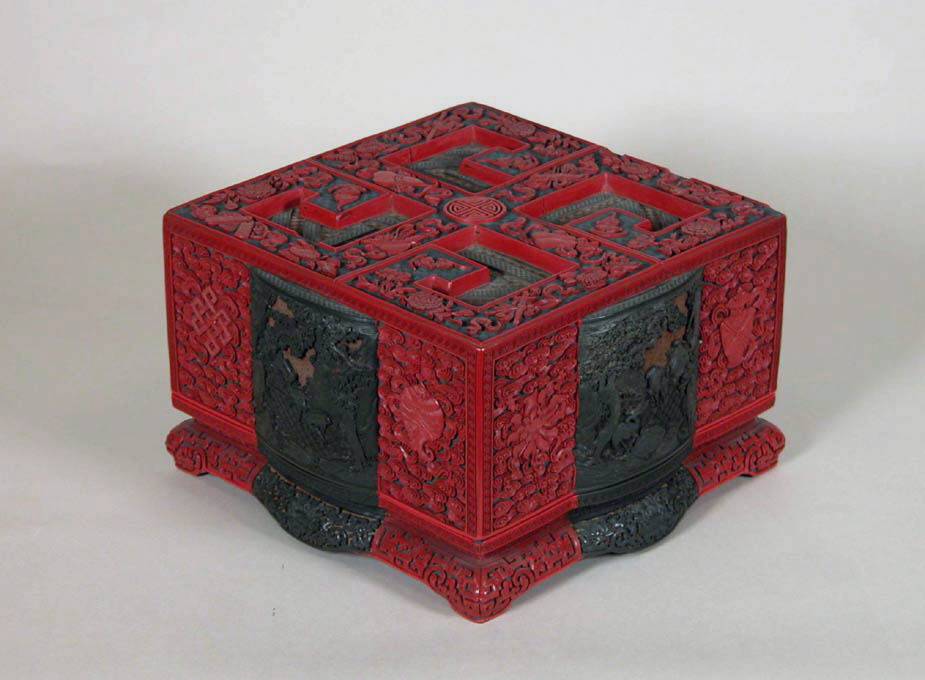
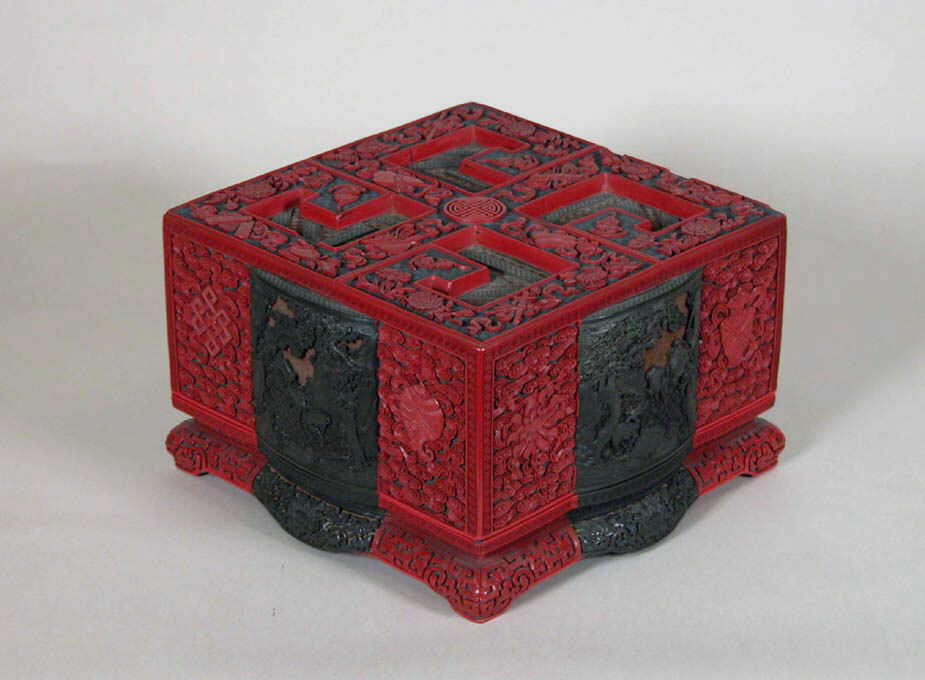
Chinese carved lacquer can look like a red object covered in decoration. In fact, its surface is the object’s most astonishing structure: many coats of tree sap, applied thinly, hardened under controlled humidity, built into depth and finally cut as if the color itself had become a landscape. To understand it, forget the speed of carving wood or molding plastic. Chinese carved lacquer is an art of waiting before it is an art of cutting.
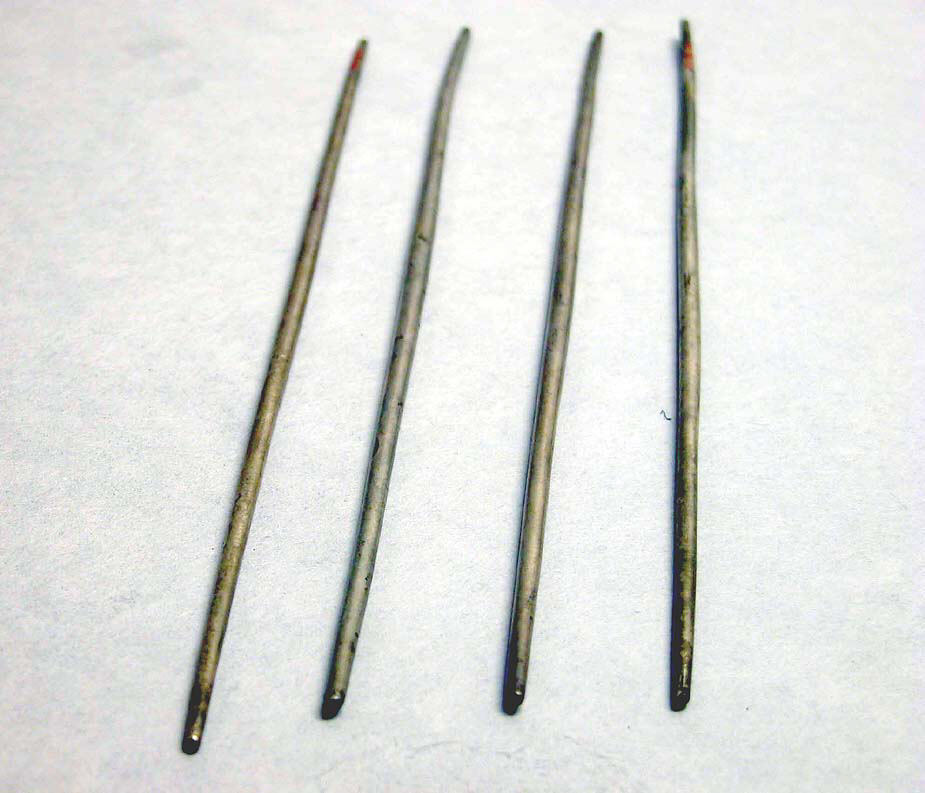
Chinese chopstick etiquette is often reduced to a list of prohibitions: never stand them upright in rice, never point, never drum on a bowl. Those warnings are useful, but they miss the larger design of the meal. Chopsticks belong to a table organized around shared dishes, shifting attention and relationships. Good manners are not a performance of memorized taboos. They are the practice of making collective eating feel easy.
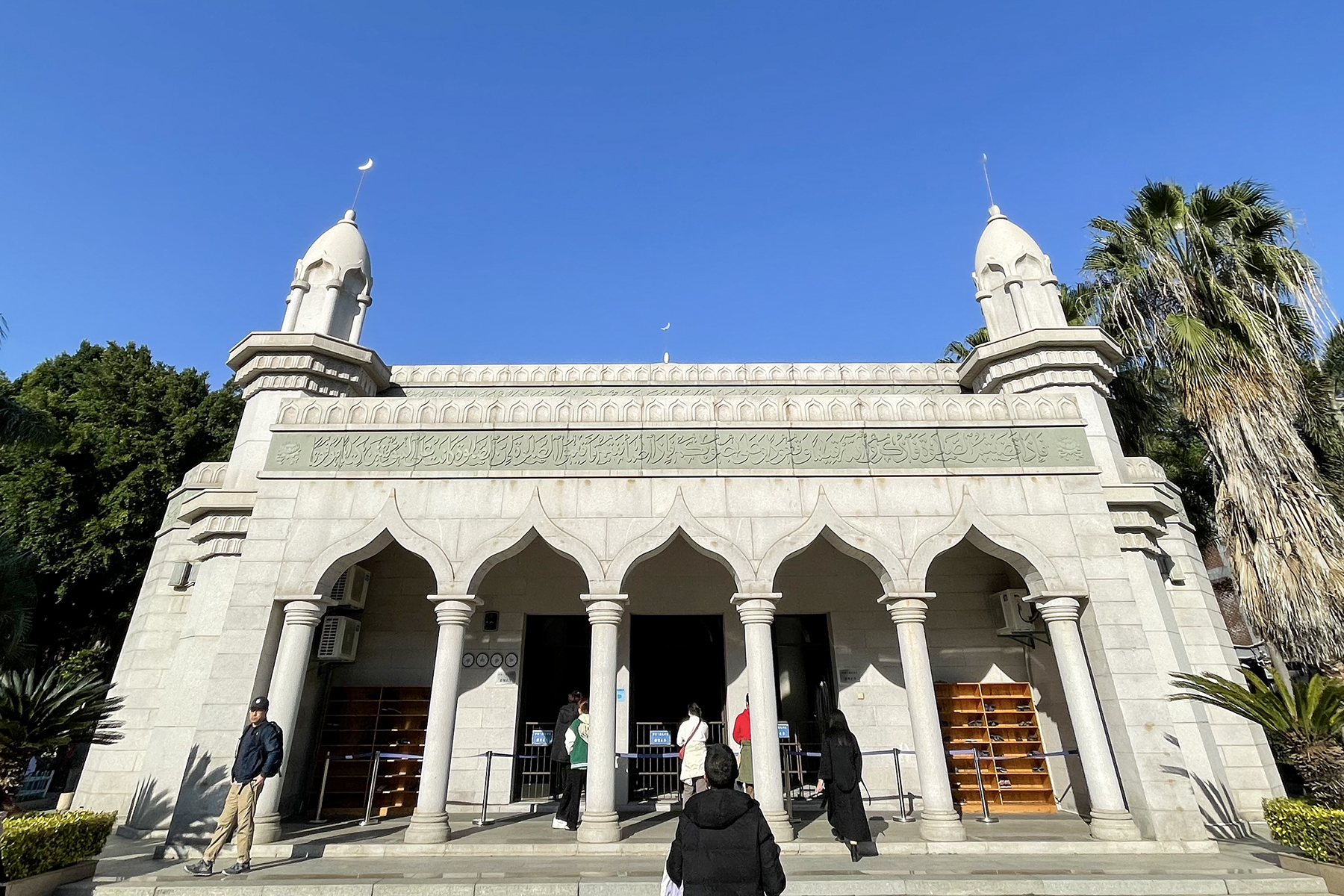
Quanzhou is often introduced as a stop on the “Maritime Silk Road.” The phrase is evocative but incomplete. During the Song and Yuan periods, especially from the tenth to the fourteenth centuries, Quanzhou was not simply a picturesque harbor touched by distant ships. It was an integrated trading city in which production zones, bridges, docks, official institutions, religious communities and ocean routes worked together. Its surviving sites reveal that global China is not a recent invention.
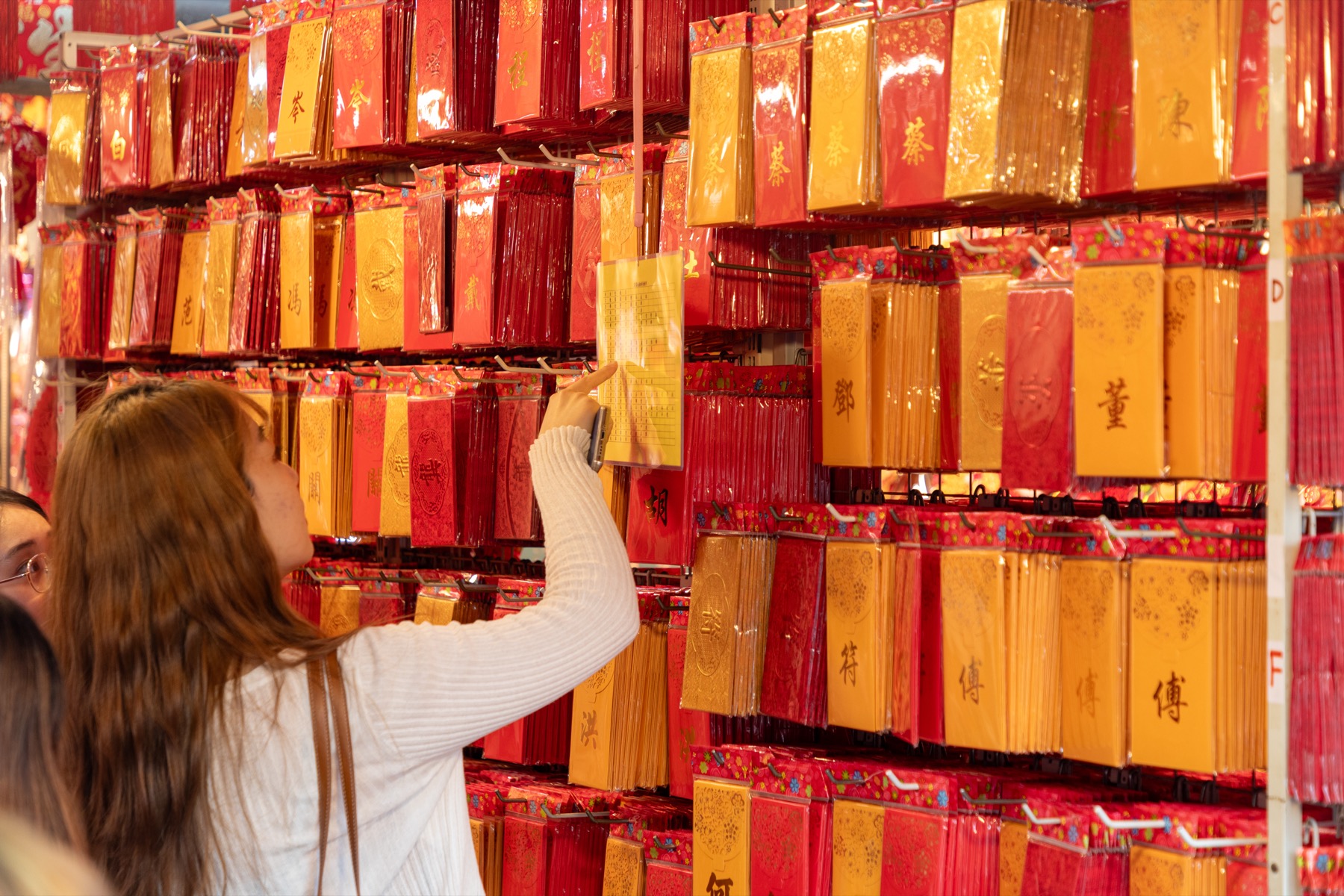
In a Chinese name such as Zhang Xinyin, Zhang is normally the family name and Xinyin the given name. That order—family name before personal name—is the clearest starting point, but real lives quickly make it more complicated. People reverse their names in international settings, choose an English or Spanish name, join two syllables differently in romanization, or preserve an order that colleagues repeatedly misread. Respect begins with understanding the system and then asking the person.
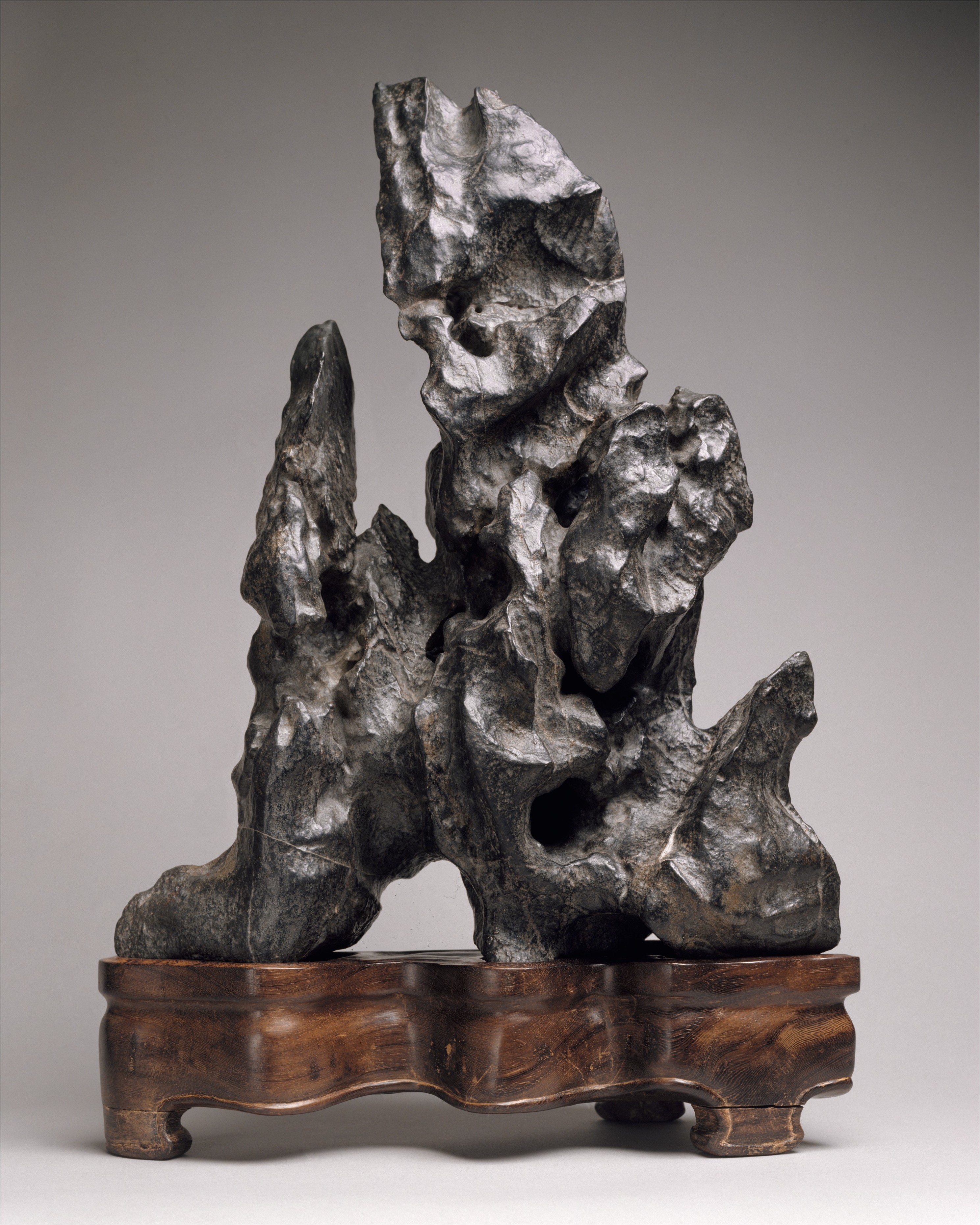
A Chinese scholar’s rock is not a rough stone waiting to become sculpture. It is a found or carefully enhanced form selected because erosion, mineral structure and time have already made it visually active. Placed upright on a fitted wooden stand, a modest stone can suggest a mountain range, a cave system, an animal or an entire landscape. Its meaning begins in looking, but never ends with resemblance.
Many visitors notice that restaurants, offices, homes and trains in China readily provide warm or hot water while iced water may require a request. The habit is neither an ancient rule followed by every Chinese person nor proof that one temperature is medically superior. It grew from overlapping histories of boiling, tea, public-health campaigns, infrastructure, domestic routine and care.
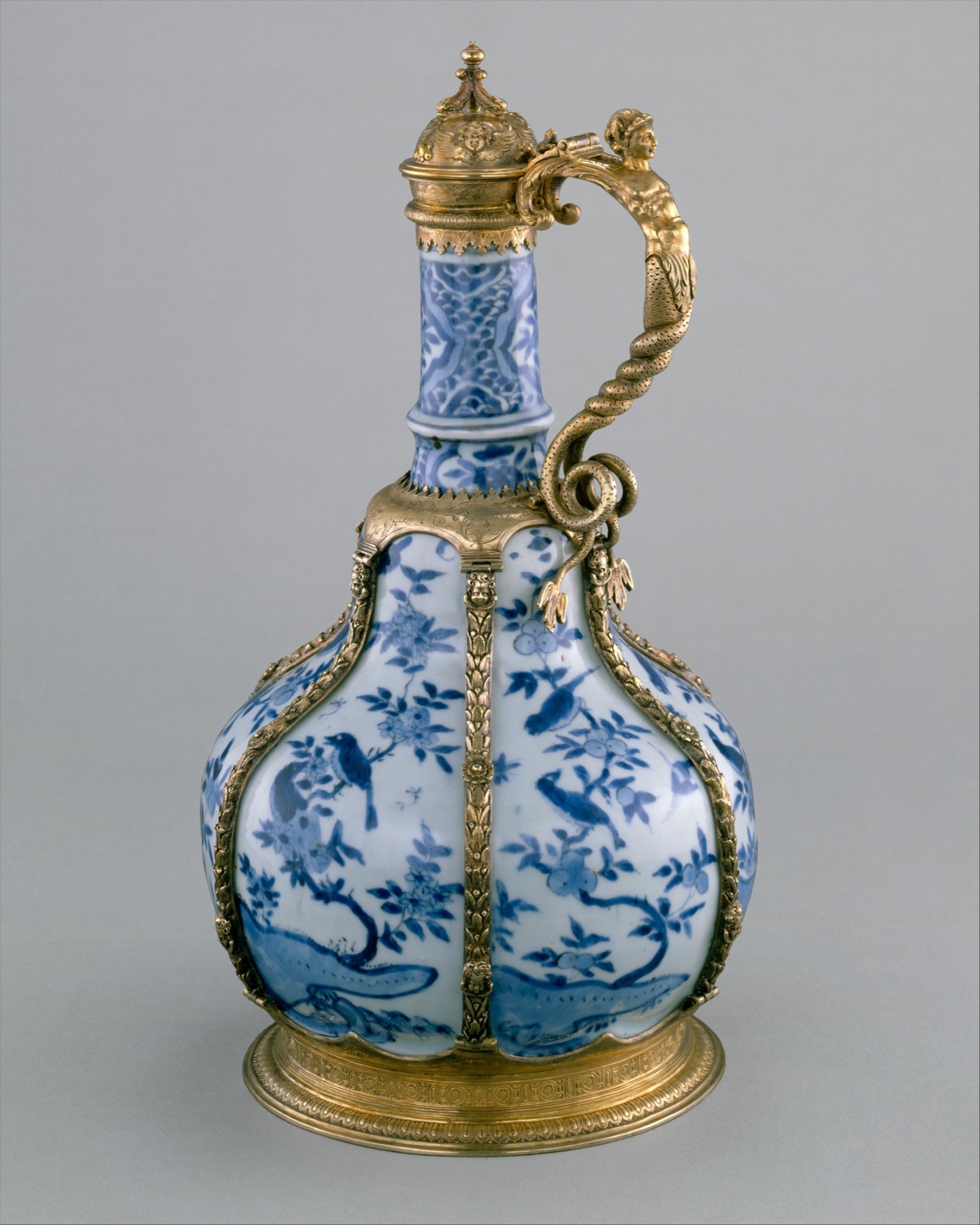
Jingdezhen is called China’s “Porcelain Capital,” but the title can make a complicated place sound like a single famous kiln. The city’s real achievement was coordination: raw materials arrived from surrounding landscapes, specialists divided production into many stages, imperial and civilian workshops operated beside merchants and guilds, and finished ceramics traveled through domestic and maritime networks. Porcelain here was not one craft. It was an urban system.
The short answer is linguistic. In Mandarin and especially in Cantonese associations, the sound of eight can suggest prospering or wealth, while four resembles the word for death. Those echoes help numbers acquire emotional and commercial value. But “eight good, four bad” is only the doorway. Pronunciation changes by language, belief varies by person, and context determines whether a preference becomes a joke, a price premium or no decision at all.
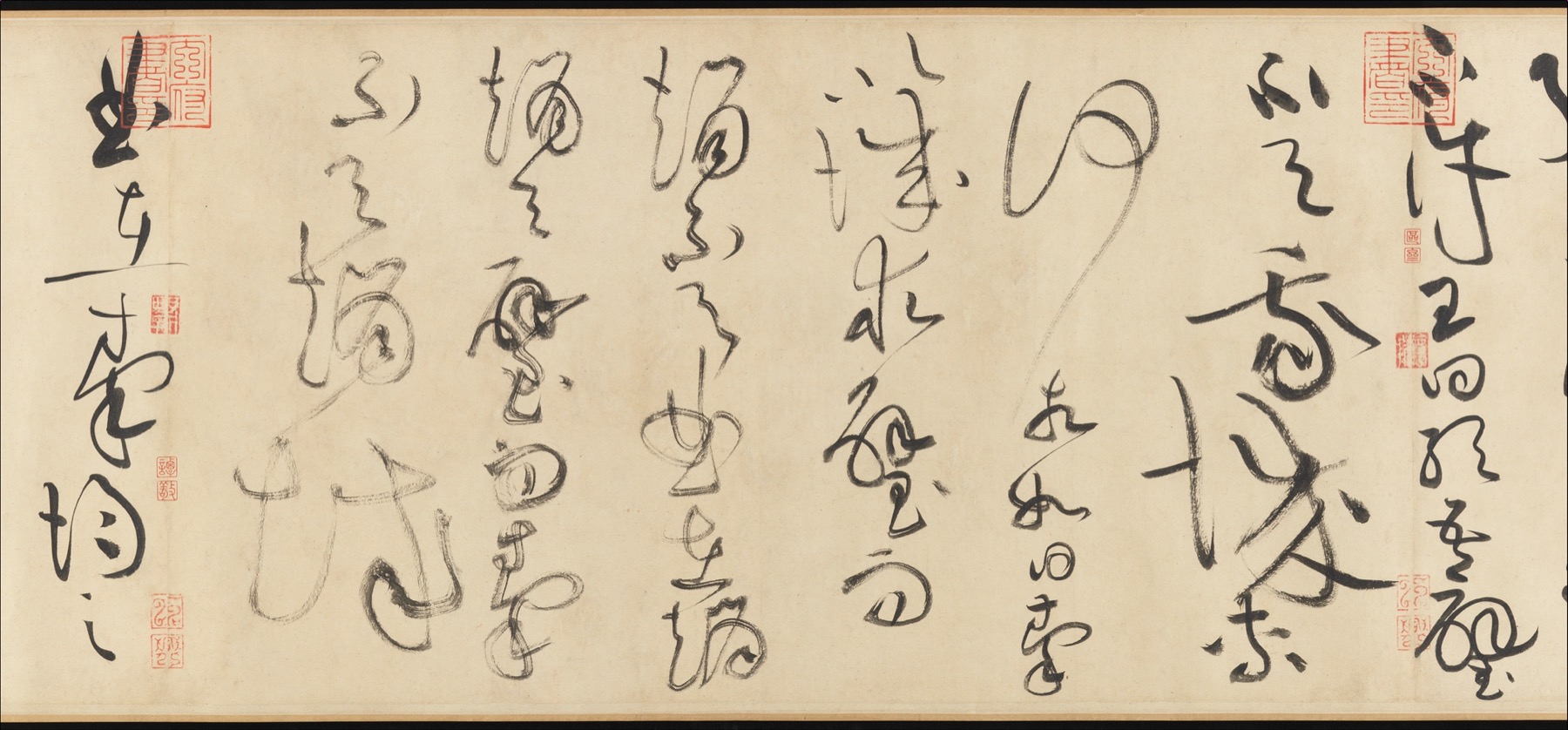
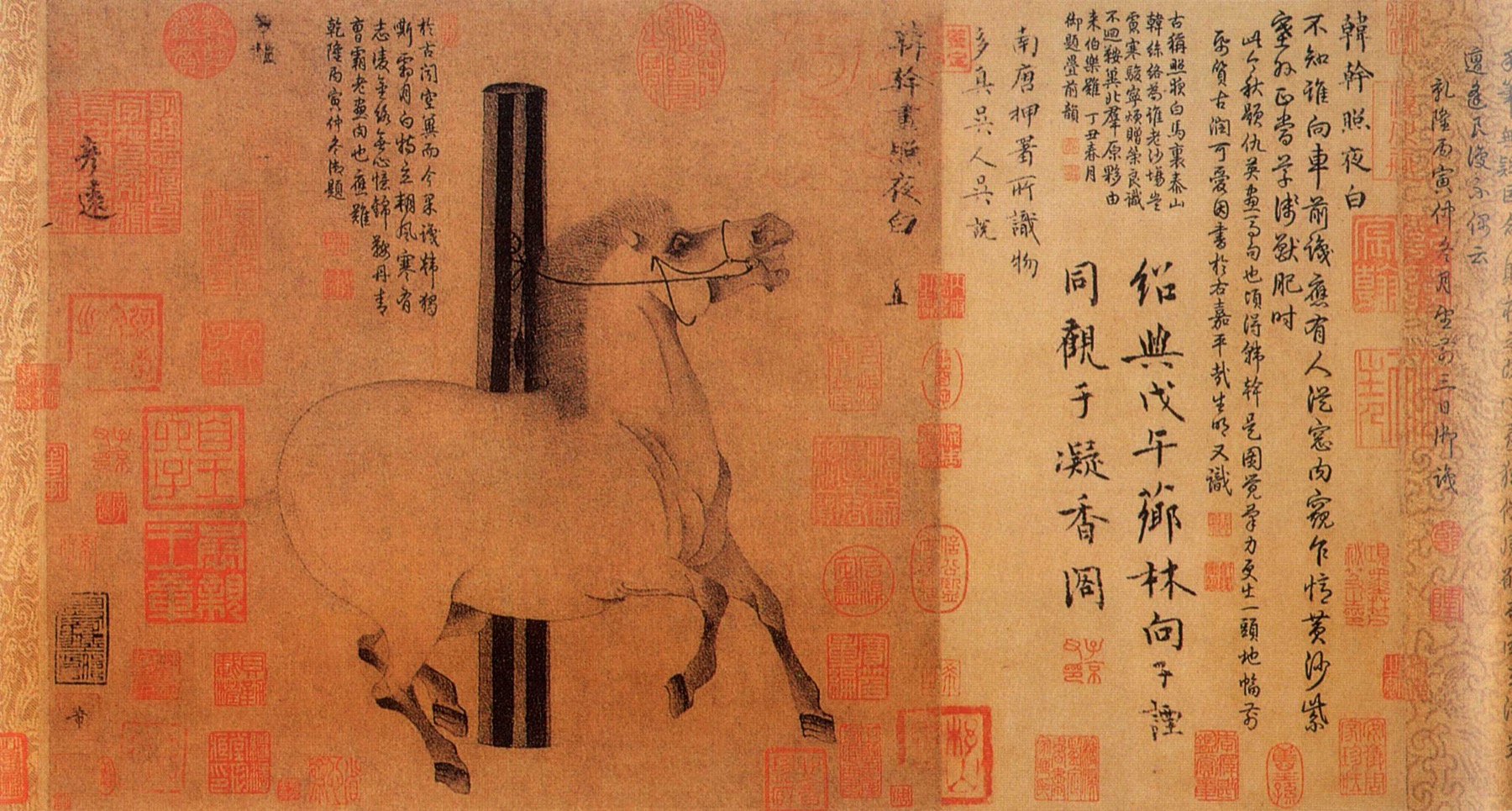
On a Chinese handscroll, a red square may sit beside the artist’s inscription. Another appears near a tree, a third at the edge of the mounting, and many more accumulate across later sheets of paper. To an unfamiliar viewer they can look like interruptions. In fact, they may tell us who made the work, who owned it, who admired it and how the object travelled through time. The first useful distinction is simple: not every seal belongs to the artist. Some identify a painter or calligrapher; some belong to collectors; some record an imperial collection or a studio. They do not all carry the same authority, and their presence does not automatically prove that an attribution is correct. Read carefully, however, they reveal that a Chinese painting was often understood not as a sealed-off image but as an object with a social life.
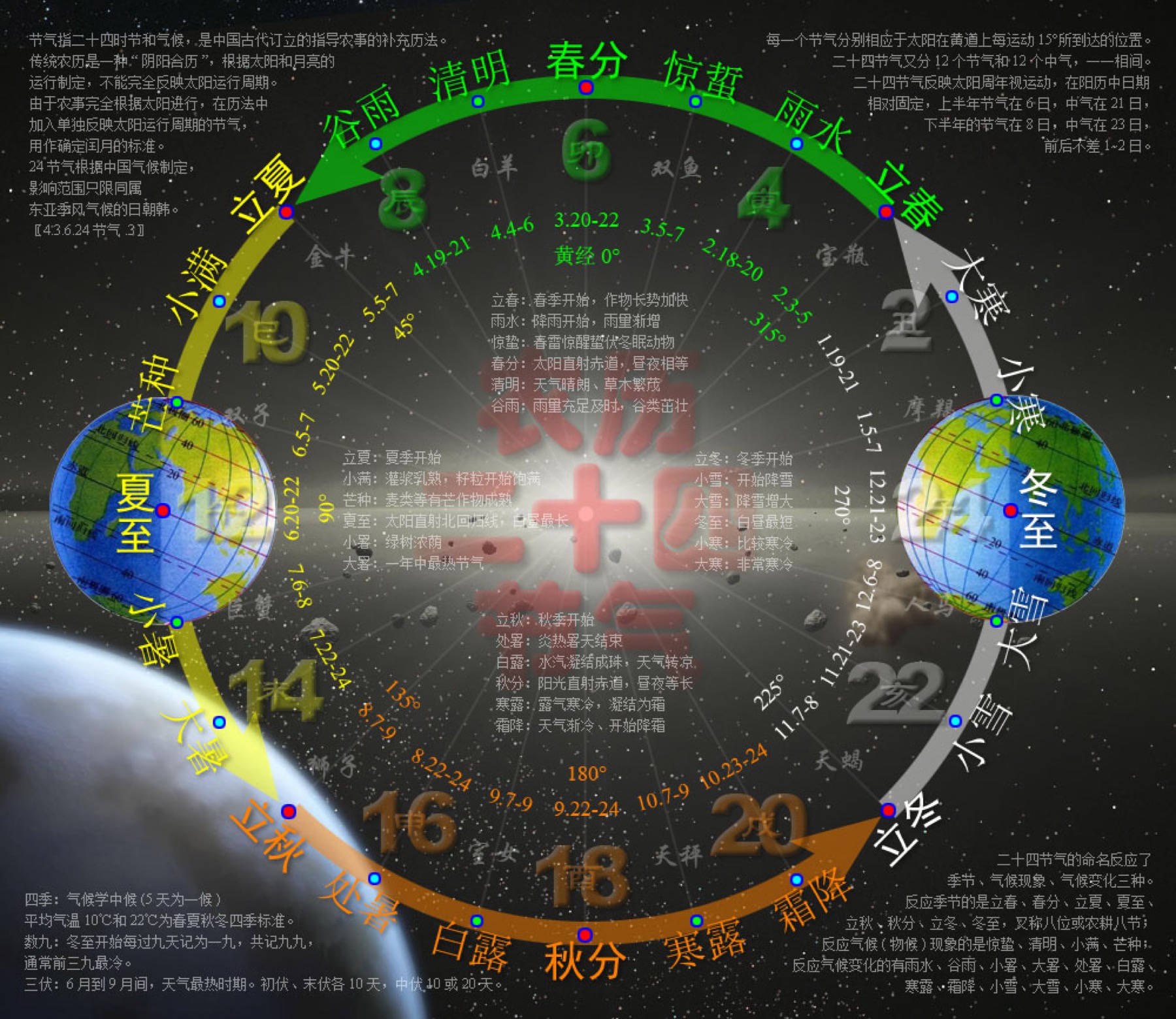
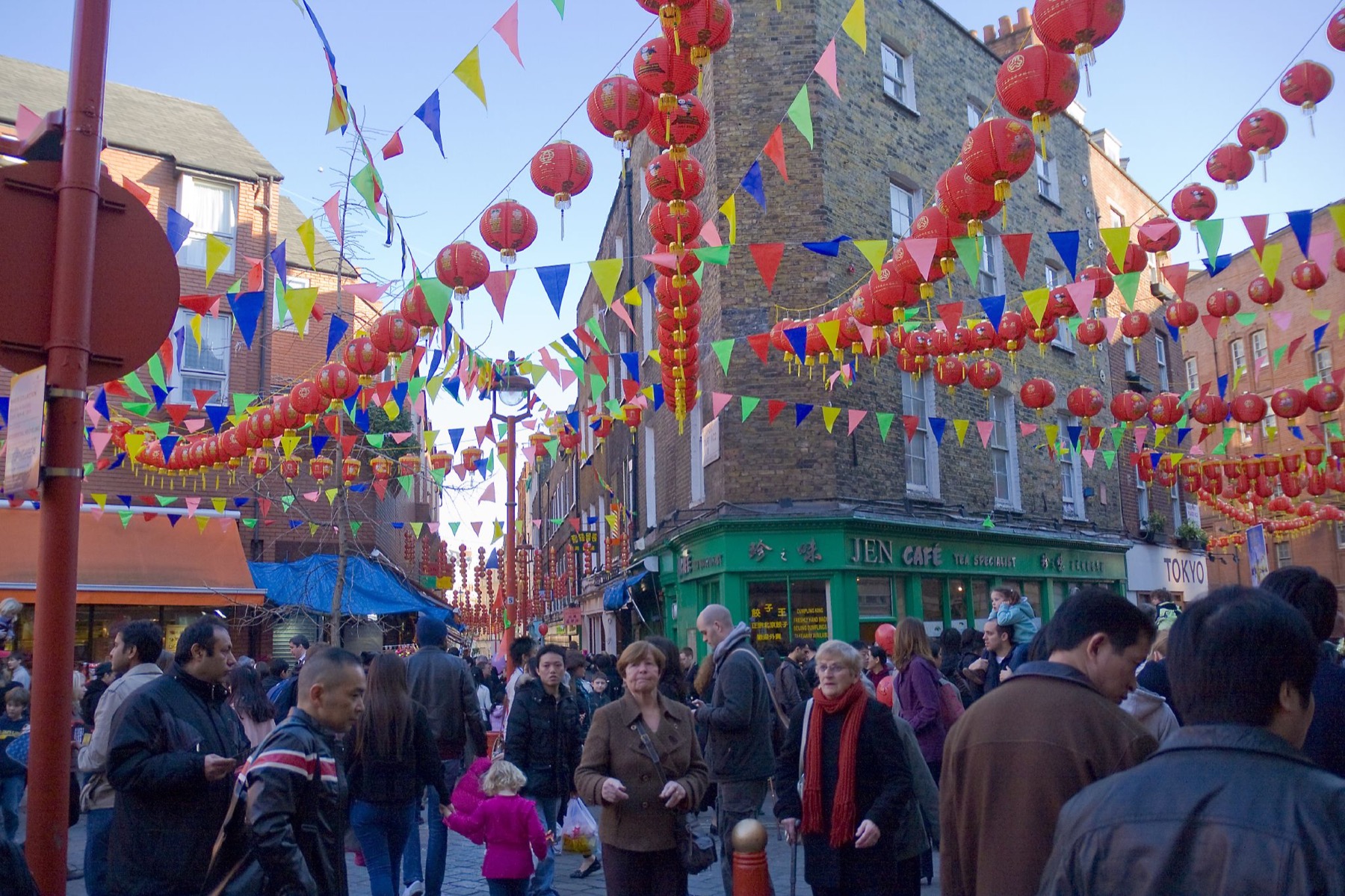
The date can fall in the coldest part of winter. Snow may cover northern streets, and spring blossoms may still be weeks away. Yet the holiday most English speakers call Chinese New Year is widely known in mainland China as Chunjie—Spring Festival. The name makes sense once “spring” is understood not as a weather report but as a calendrical threshold, a promise of renewal and a modern public name for a much older cluster of new-year practices. No single English term works perfectly everywhere. “Chinese New Year” is familiar but can make a festival observed in many societies sound exclusively national. “Lunar New Year” is inclusive, although the calendars involved are more precisely lunisolar: months follow lunar cycles while adjustments keep the year aligned with the solar seasons. “Spring Festival” is the standard name in contemporary China. Good cultural writing chooses the term that fits the people and place being discussed rather than declaring one label universally correct.
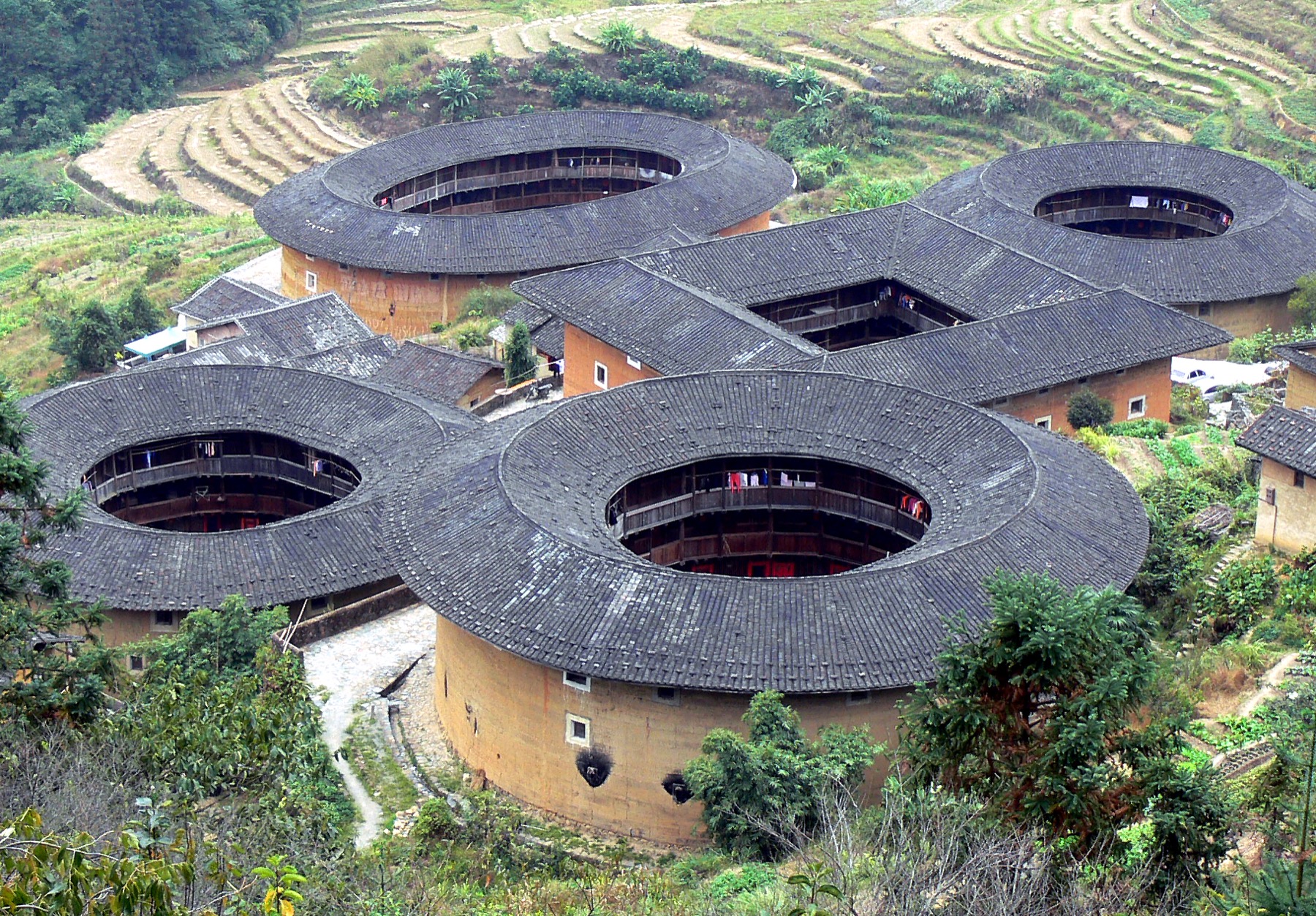
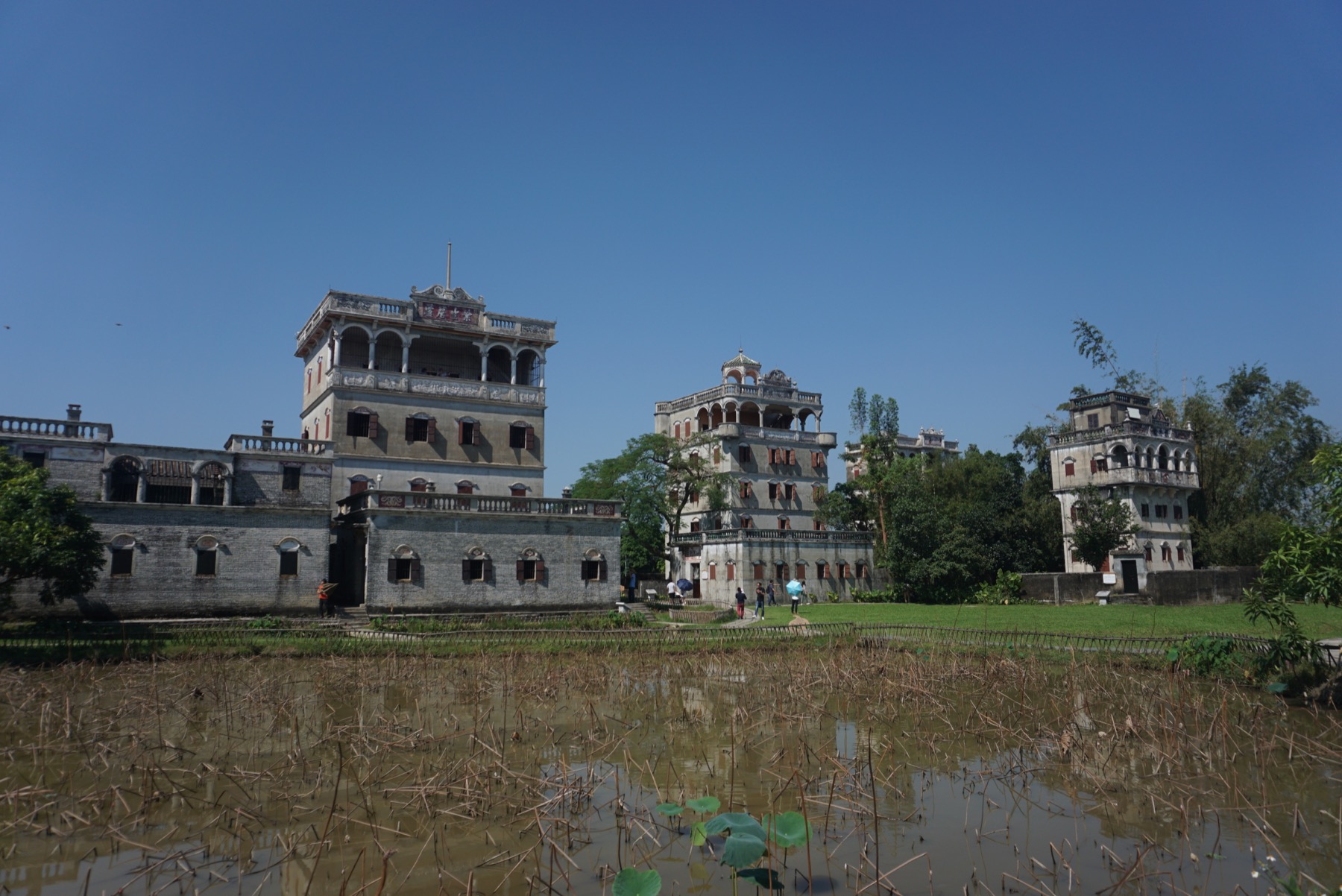
Across the flat agricultural landscape of Kaiping in Guangdong, concrete towers rise above rice fields and village roofs. Some carry domes, arcades or classical columns; others resemble compact fortresses punctured by narrow windows. They are called diaolou, multistorey buildings used for defence, residence or communal refuge. Their silhouettes are memorable, but their real subject is movement: people leaving home, earning money abroad, returning with ideas and building security into the landscape. UNESCO inscribed Kaiping Diaolou and Villages on the World Heritage List in 2007. The designation recognizes not an isolated architectural curiosity but a cultural landscape. Towers, houses, lanes, fields, ponds and village relationships belong together. To understand a diaolou only as a photogenic “Chinese castle” is to miss the networks that made it possible.
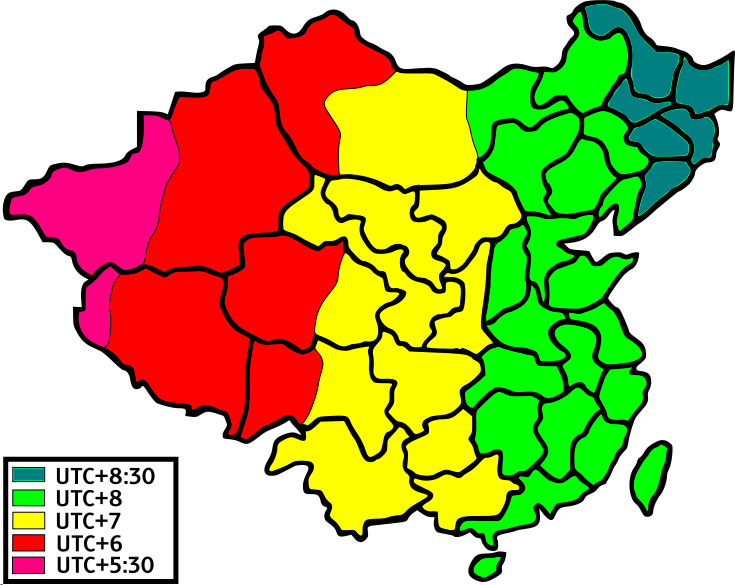
At noon in Beijing, the sun is near the middle of its daily path. At the same clock time in Kashgar, thousands of kilometres west, morning light behaves very differently. China stretches across roughly sixty degrees of longitude—enough for about five idealized geographical time zones—yet the entire country officially uses UTC+8, commonly called Beijing Time. This is not a geographical accident. Clock time is a political and social system placed over solar time. China’s single zone makes nationwide schedules easier to coordinate, but it also produces striking differences between the clock and the sun. Understanding both sides is more useful than treating the arrangement as merely strange.
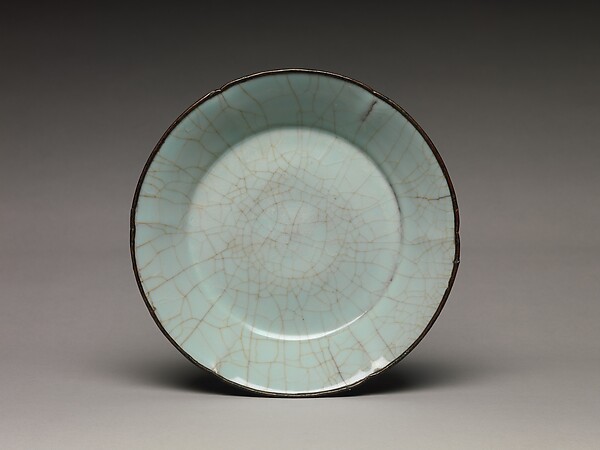
At first glance, the fine dark lines on a Guan ware dish resemble damage. They run without symmetry, dividing a blue-grey surface into small islands. Yet the object has not simply failed. In some of the most admired ceramics of Southern Song China, crackle was cultivated as part of the glaze’s visual life. That reversal—from defect to desired effect—is useful far beyond ceramics. It shows that Chinese aesthetics cannot be reduced to polished perfection. Beauty could also emerge from the controlled encounter between material, heat, chance and time.
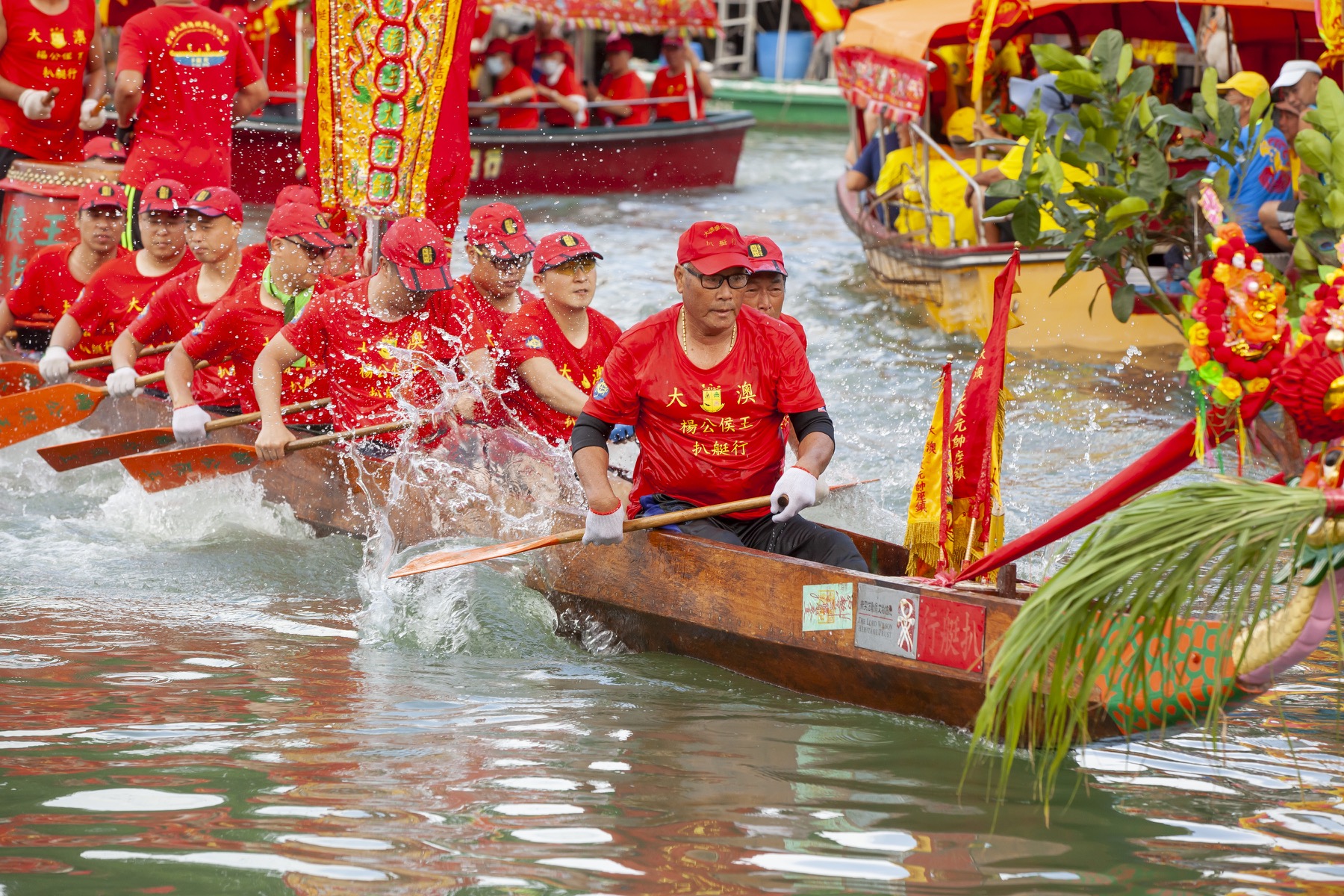
To many international viewers, the Dragon Boat Festival means a long painted boat, a drumbeat and a team of paddlers moving as one. The spectacle is real, but it is only one entrance into Duanwu. Across China, the fifth day of the fifth lunar month has also been a season of wrapped food, aromatic plants, protective objects, visits, remembrance and local water rituals. Understanding the festival requires holding two ideas together: shared recognition and regional difference. There is a national holiday called Duanwu, but there has never been one perfectly uniform way to live it.
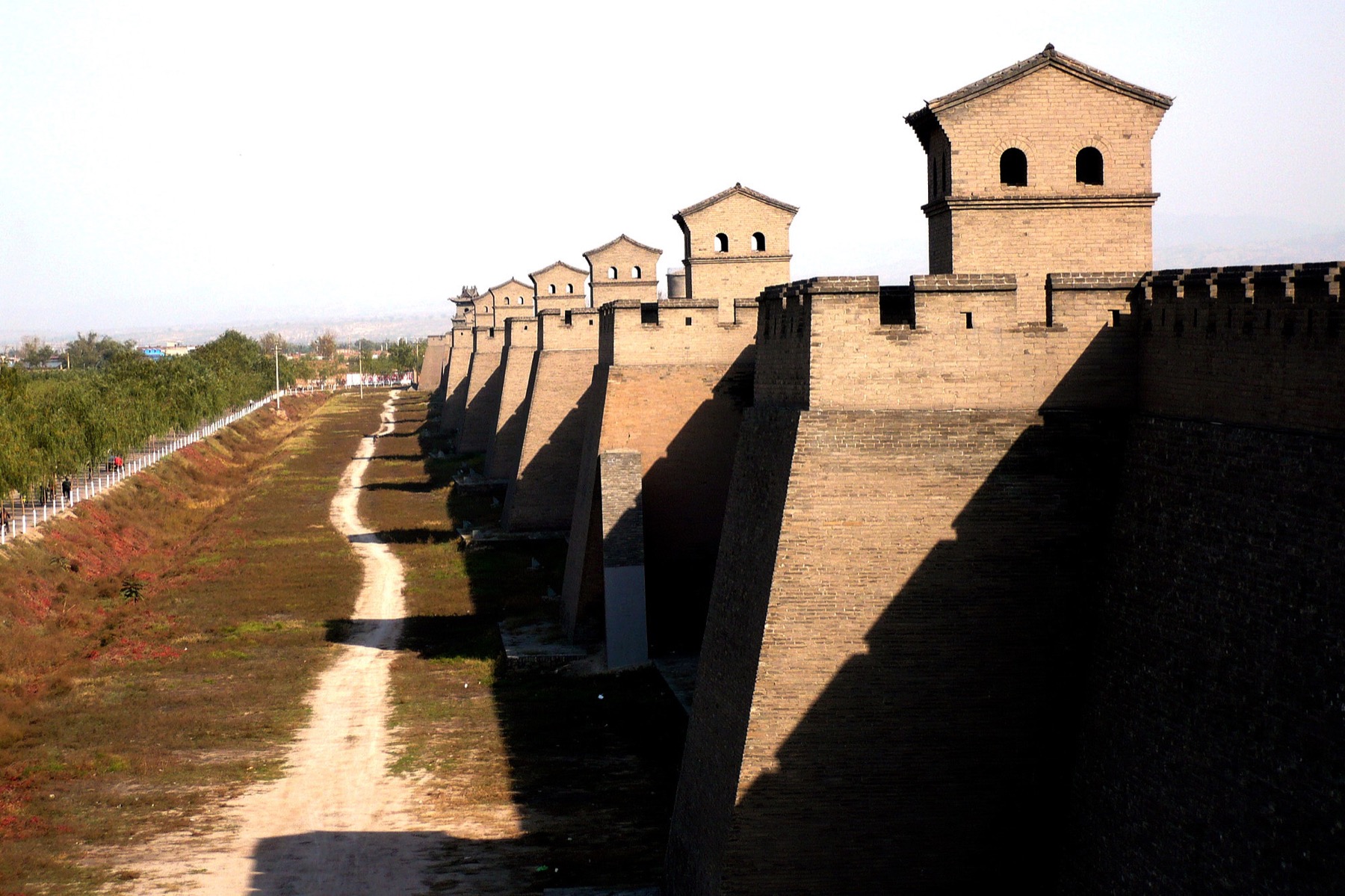
From the top of Pingyao’s wall, the old city appears almost legible: tiled roofs, courtyard compounds, temple axes and commercial streets held inside a clear boundary. At ground level, the order becomes more intimate. A lane narrows. A doorway reveals one courtyard behind another. A former banking hall opens onto a story of money moving across an empire. Pingyao is often marketed as a perfectly preserved “ancient city.” The phrase is useful but dangerous. It can turn a living, repeatedly repaired place into a stage set. The more interesting question is not whether Pingyao has escaped time, but how its urban structure has carried different times together.
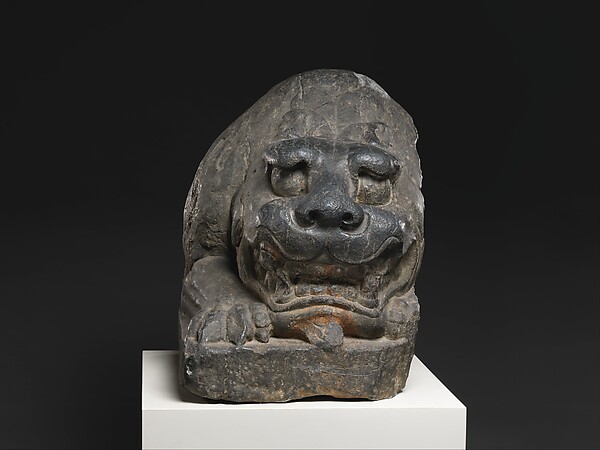
Outside a palace, temple, bank or restaurant, two sculpted animals often face the street. Their curled manes, powerful paws and open mouths are unmistakable, yet English labels frequently call them “foo dogs.” They are not dogs. They are lions—shishi in Chinese—transformed through centuries of artistic imagination in a country where most makers had never seen a living African or Asian lion. Their pairing is equally misunderstood. One popular explanation says the male always rests a paw on a ball while the female restrains a cub, symbolizing dominion and nurture. That formula describes many later examples, but it is not a timeless rule for every lion pair in China.