
Begin where river meets sea
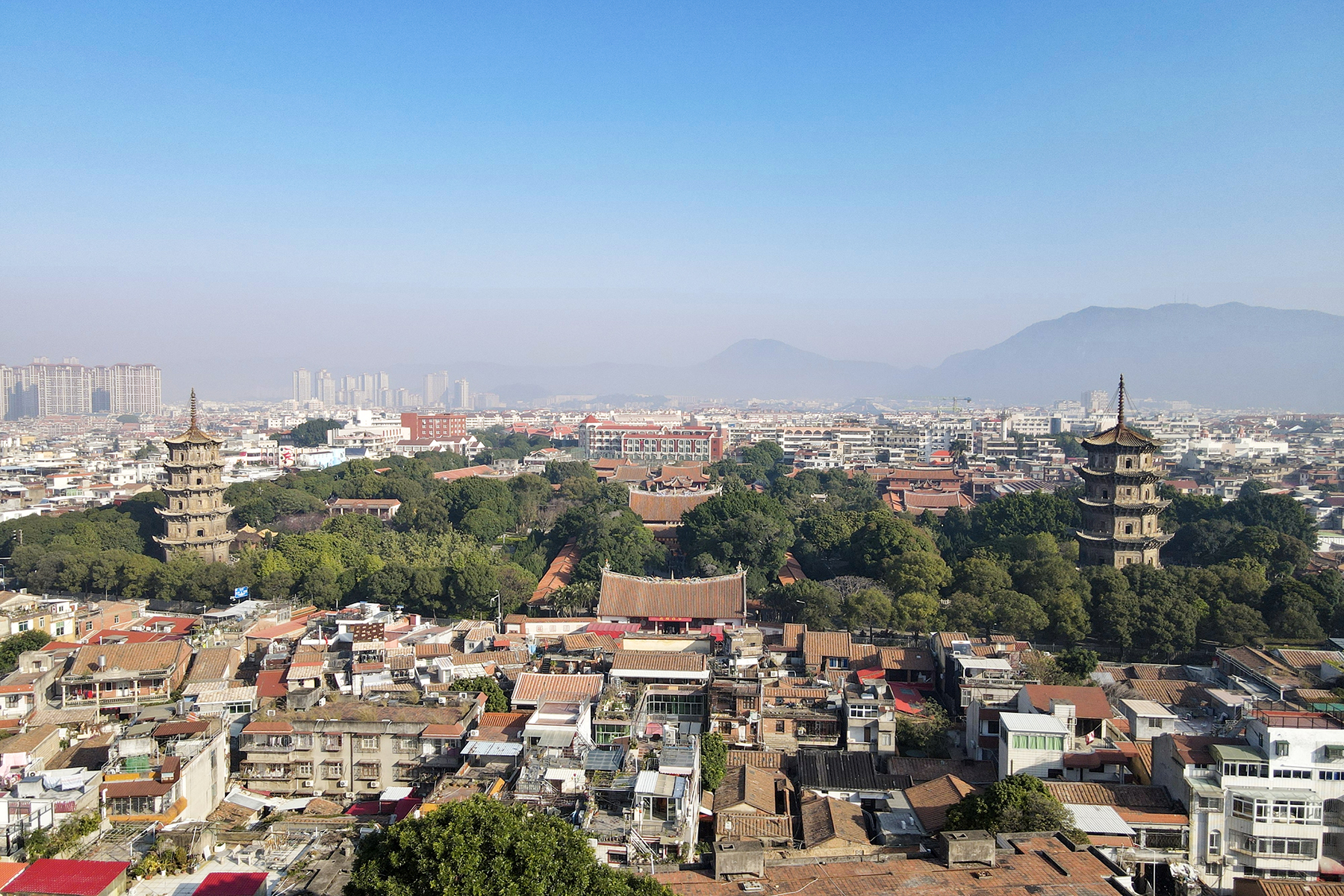
Quanzhou stands on China’s southeast coast in Fujian, where waterways connect an inland productive landscape with the ocean. UNESCO describes the historic emporium as a system centered on a city at the junction of river and sea. Mountains and hinterlands supplied goods; roads, bridges and waterways moved them; the port connected those flows to East and Southeast Asia and farther maritime networks.
This geography matters because a port is more than a waterfront. Ships require safe approach, storage, taxation, markets, repair and information. Traders need places to negotiate, worship, eat, stay and settle disputes. Ceramic kilns and metal-production sites beyond the city belonged to the same commercial organism as docks closer to the coast. Quanzhou’s history is best read as movement across a territory, not as one heroic monument.
A city built from twenty-two connected places
When UNESCO inscribed “Quanzhou: Emporium of the World in Song–Yuan China” in 2021, the property included twenty-two components. They encompass administrative remains, religious buildings, bridges, pagodas, inscriptions, production sites and transport infrastructure. The serial form is the argument: no single building can explain how the emporium worked.
The Luoyang Bridge helped traffic cross a tidal river. Kiln sites connect exported ceramics with the landscapes where they were produced. The site of the Maritime Trade Office points to regulation and state participation. Pagodas could act as religious monuments and visible landmarks. Together, these places turn the abstraction “trade” into stone, earth, water and distance. They also show that commercial prosperity depended on institutions as much as adventurous merchants.
Religious architecture records human arrival
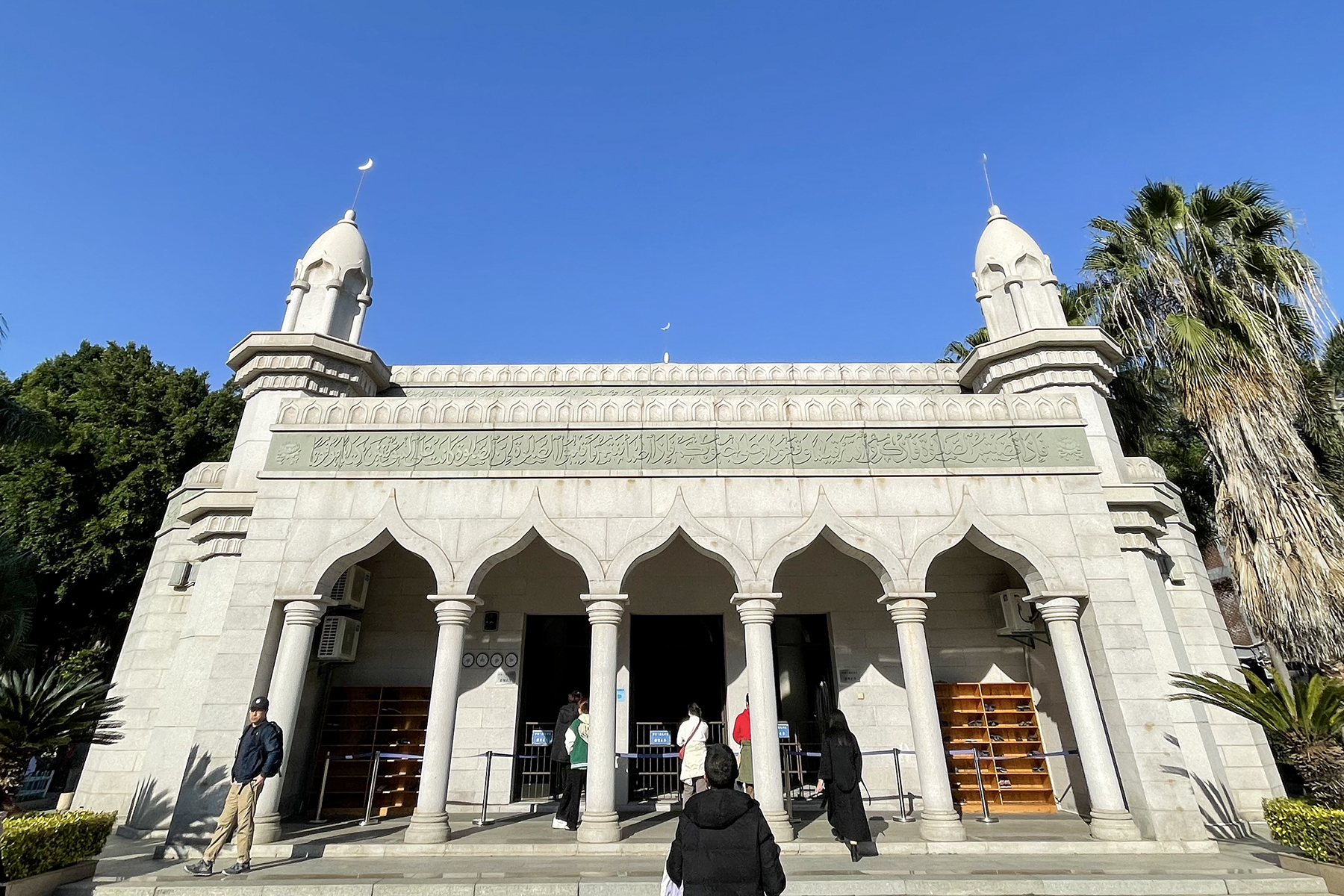
Quanzhou’s sacred landscape is unusually eloquent. Kaiyuan Temple anchors a major Buddhist presence, while Qingjing Mosque records a Muslim community connected to maritime exchange. The mosque was founded in 1009 and its stone architecture gives the city a visual language different from the timber halls more readily associated with Chinese religious buildings. Islamic tombs and inscriptions preserve further evidence of lives rooted across regions.
Other remains connect the city with Hindu, Manichaean and popular Chinese religious traditions. The point is not to turn medieval Quanzhou into a modern slogan of effortless multicultural harmony. Communities met under unequal political and commercial conditions, and much of their daily experience is lost. But the surviving evidence makes diversity concrete. Foreign trade was not only cargo moving through a Chinese city; it was people building forms of belonging there.
Ceramics make the network visible
A porcelain bowl can travel farther than the name of its maker. Quanzhou’s trade linked production centers in its hinterland with overseas consumers whose preferences influenced what was packed, purchased and imitated. Ceramics, silk, metal goods, aromatics and other commodities moved through networks that were never one-way. Ships returned with materials, technologies, stories and people.
This makes an exported object a record of several decisions. Its clay and glaze belong to a workshop; its size and durability matter to transport; its decoration may address a market; its archaeological location tells a later chapter. A shard found beyond China is not simply evidence that “China influenced the world.” It can reveal negotiation between producer, merchant and buyer across languages and expectations.
The city does not fit a land-route map
Popular images of the Silk Roads often begin with camels crossing deserts. Quanzhou asks us to replace the caravan with monsoon winds, tidal knowledge and shipboard risk. Maritime routes were seasonal and relational. Captains and merchants depended on accumulated knowledge of currents, ports and intermediaries. The sea connected places while remaining dangerous enough to interrupt every plan.
Nor was there one road. The term “Maritime Silk Road” gathers overlapping routes and periods into a memorable phrase. It is useful if it encourages comparison, misleading if it suggests a single fixed line designed by one state. Quanzhou prospered because many systems converged: local production, imperial policy, regional shipping, diasporic communities and demand in multiple markets.
How to look when you visit
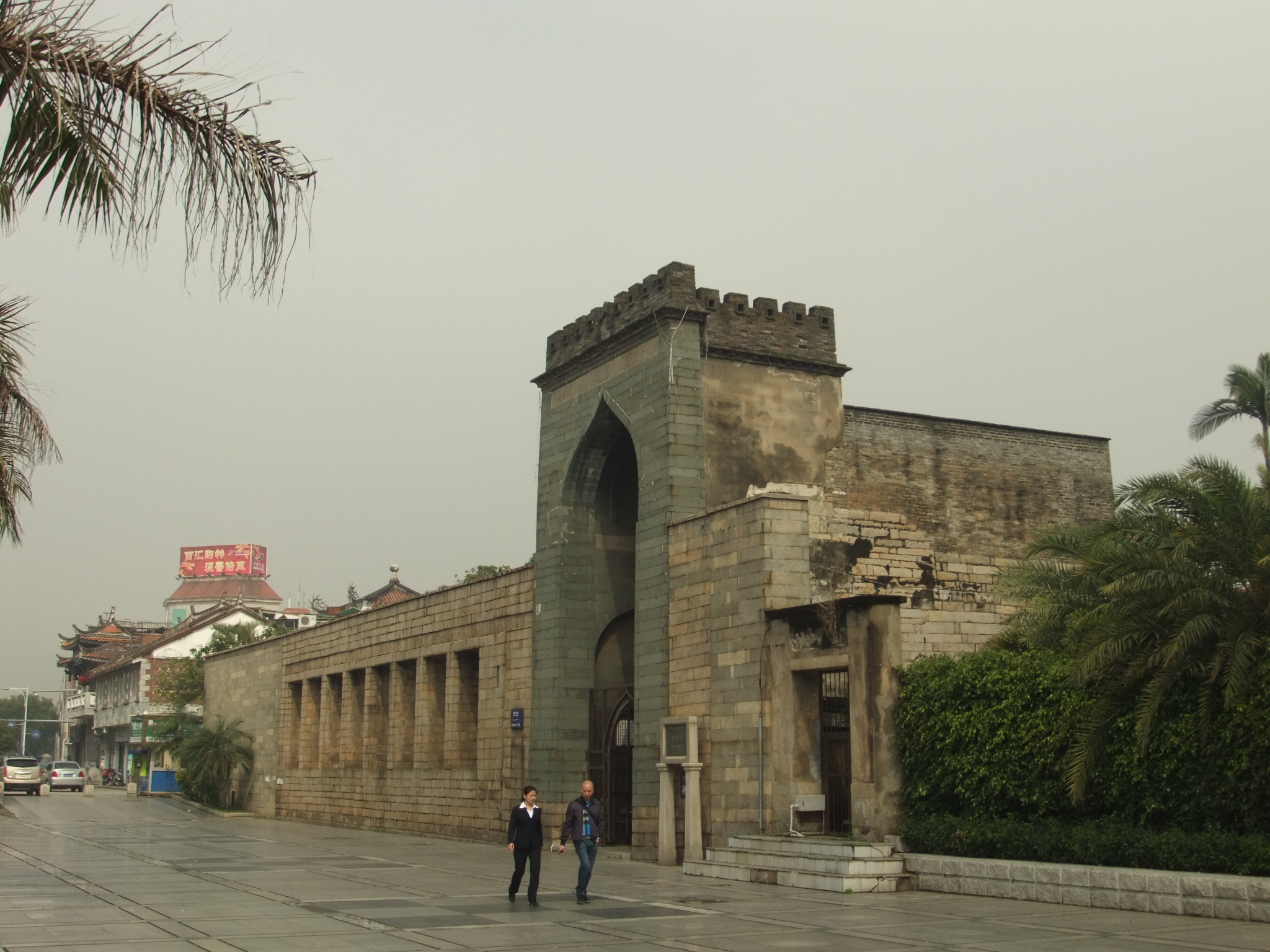
Do not treat the UNESCO components as a checklist. Choose one connection and follow it. Stand at a bridge and imagine the goods arriving from inland. At Qingjing Mosque, look at the pointed stone entrance and ask which building knowledge traveled with the people who used it. At Kaiyuan Temple, compare the scale of courtyards and pagodas with the commercial streets around them. At a museum, place a ceramic beside a map of find sites.
The contemporary city will not look like a preserved medieval stage. Roads, shops, apartment blocks and visitors surround the monuments. That friction is part of the encounter. Heritage survives through present-day management, tourism and ordinary urban life. UNESCO status can bring protection and attention, but it can also encourage a simplified brand. The strongest visit keeps the twenty-two-part system in view.
A better meaning of “global China”
Quanzhou changes the question from “When did China open to the world?” to “How have different Chinese places participated in the world at different times?” The city’s Song–Yuan prominence shows that openness is not a switch turned on once. It is produced by geography, policy, technology and human relationships, and it can shift to other ports when those conditions change.
Its beauty lies in that distributed story. A bridge, mosque, kiln and administrative site may seem unrelated until movement joins them. Quanzhou teaches us to see a city not as an isolated container of culture, but as a structure built by arrivals and departures.
Join the conversation
What did this make you notice?
Which single object or building would you use to explain that a port city belongs simultaneously to its local landscape and to the wider world?