
People & Places · Beijing
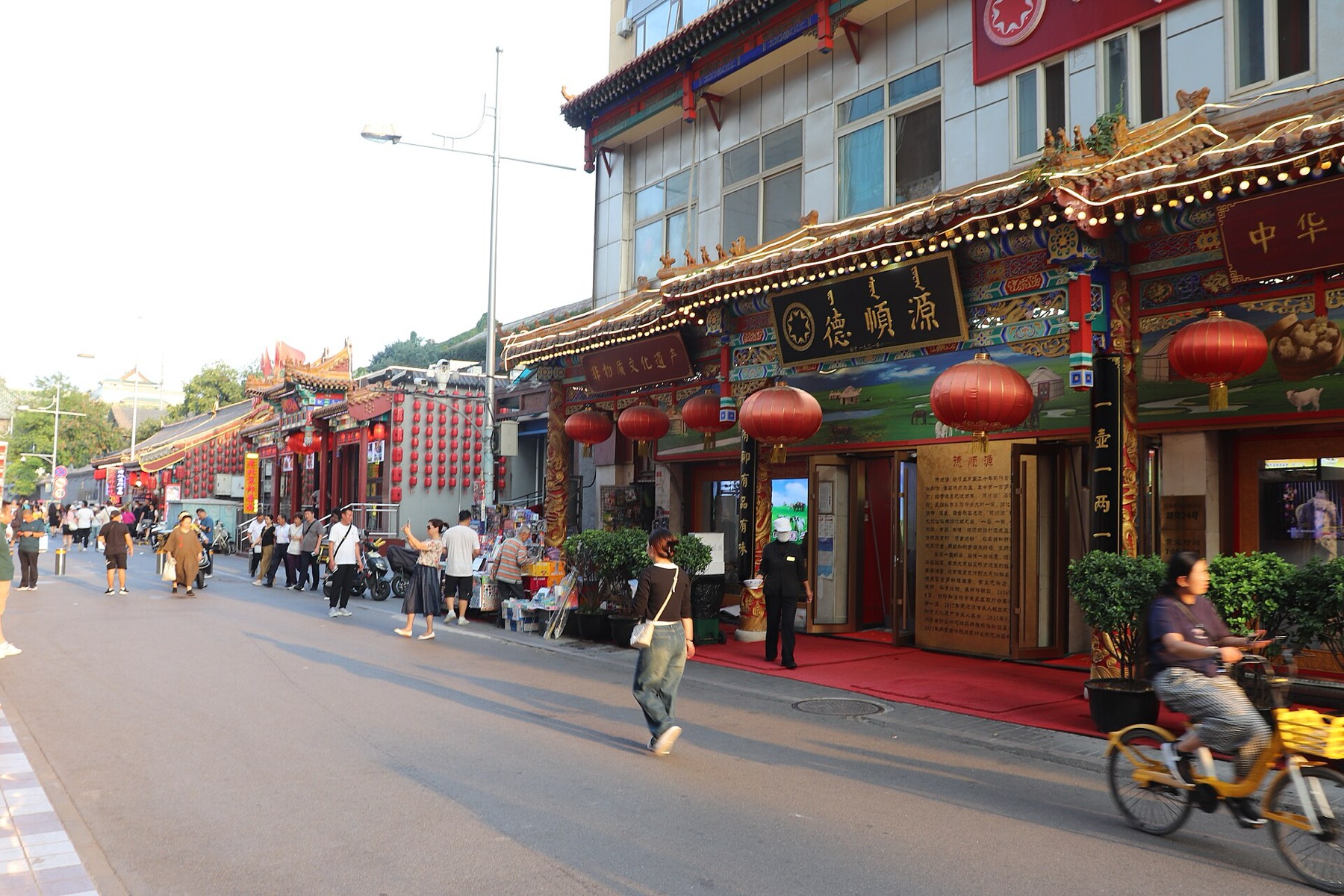
What Beijing’s hutongs teach about neighborhood life.
Behind the postcard alley is a changing residential world of courtyards, shared space, memory, infrastructure and contested preservation.
3 minute read
Read the story03 / Explore the journal
Follow a place through the people who make it, live in it and give it a story.
01 / 3 stories
Enter the lanes, courtyards and shared homes that shape a sense of belonging.
People & Places · Beijing
Behind the postcard alley is a changing residential world of courtyards, shared space, memory, infrastructure and contested preservation.
3 minute read
Read the story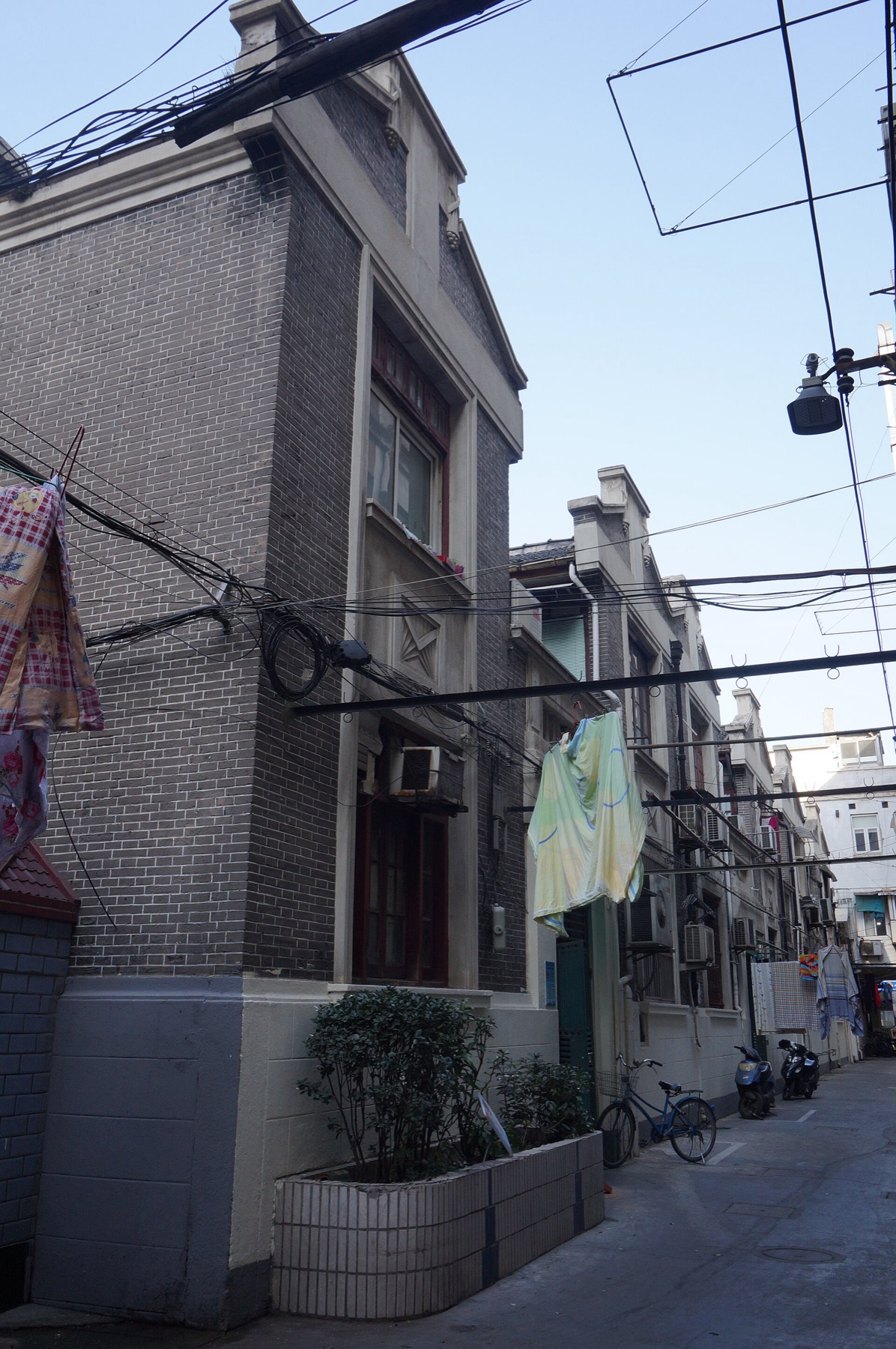
People & Places · Shanghai
Stone gates, brick row houses and shared lanes hold the hybrid history of a port city—and the tensions of preserving it.
3 minute read
Read the story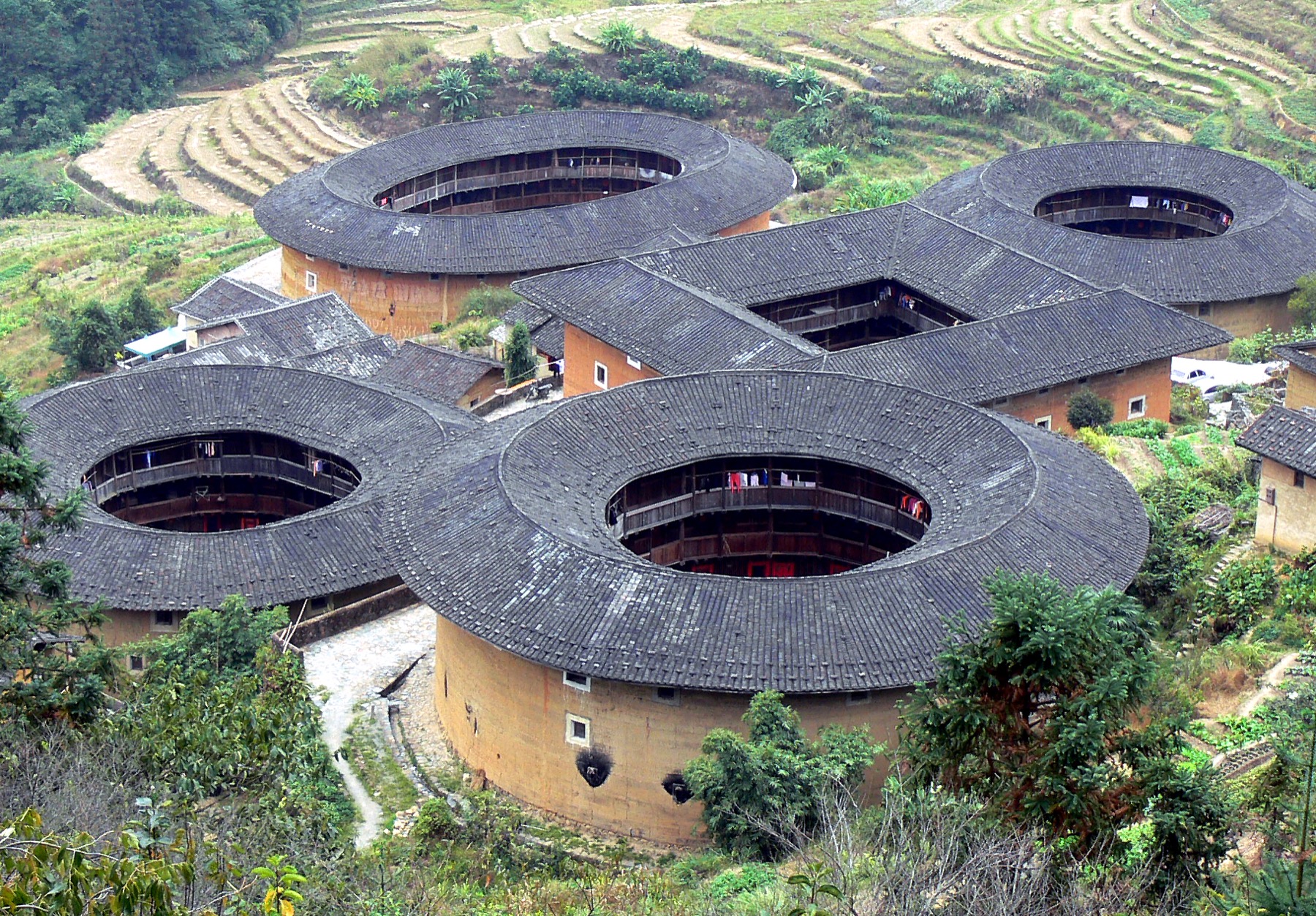
People & Places · Fujian
The famous circles are only the aerial view. At ground level, earthen walls surround courtyards built for kinship, defense and everyday cooperation.
3 minute read
Read the story02 / 3 stories
Get to know a place through breakfast, its night markets and the craft people carry forward.
People & Places · Food & place
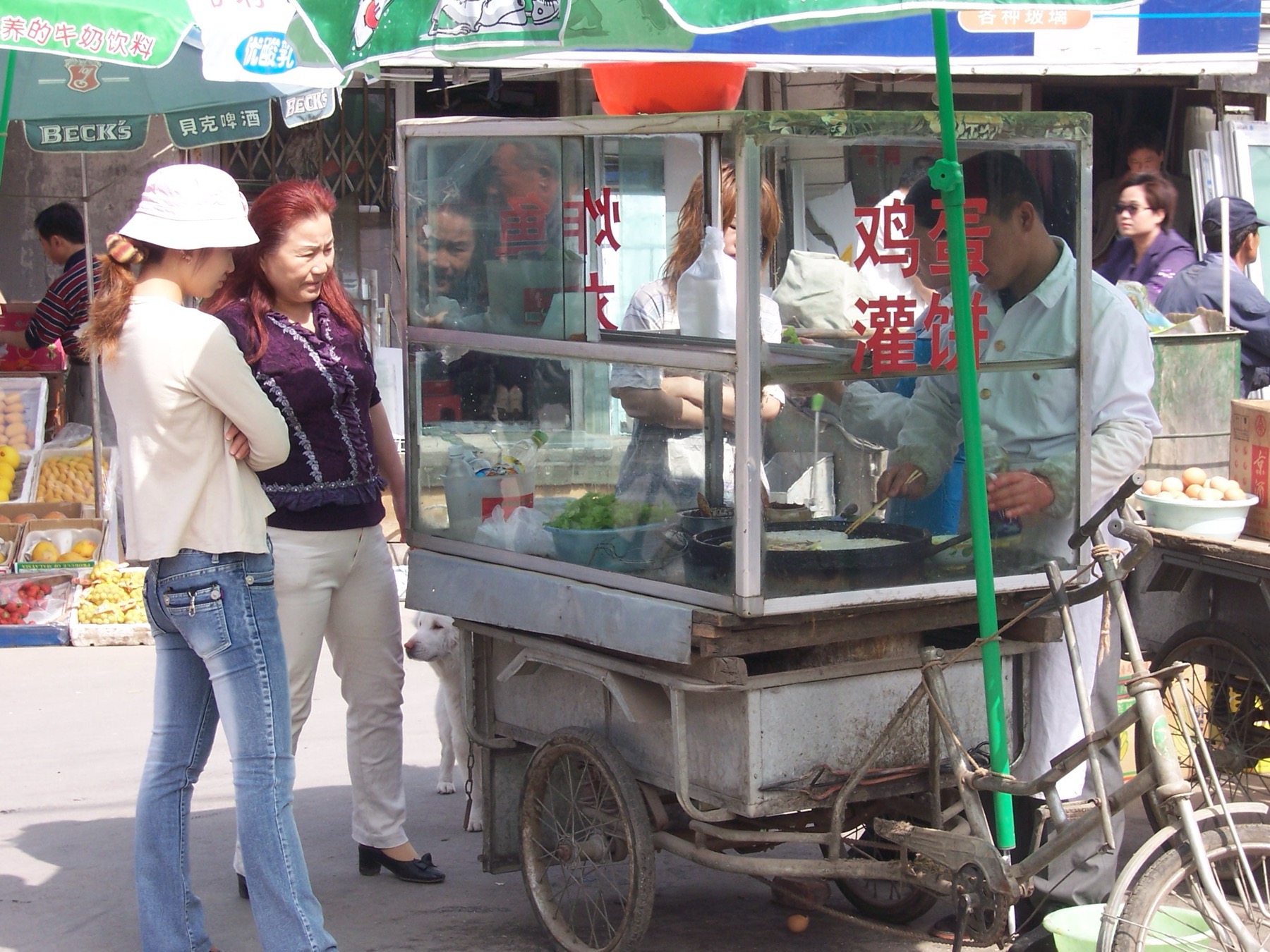
There is no national plate that can explain how China begins the day. Breakfast becomes more interesting when we stop asking for the typical meal and start following particular streets, climates and routines.
6 minute read
Read the story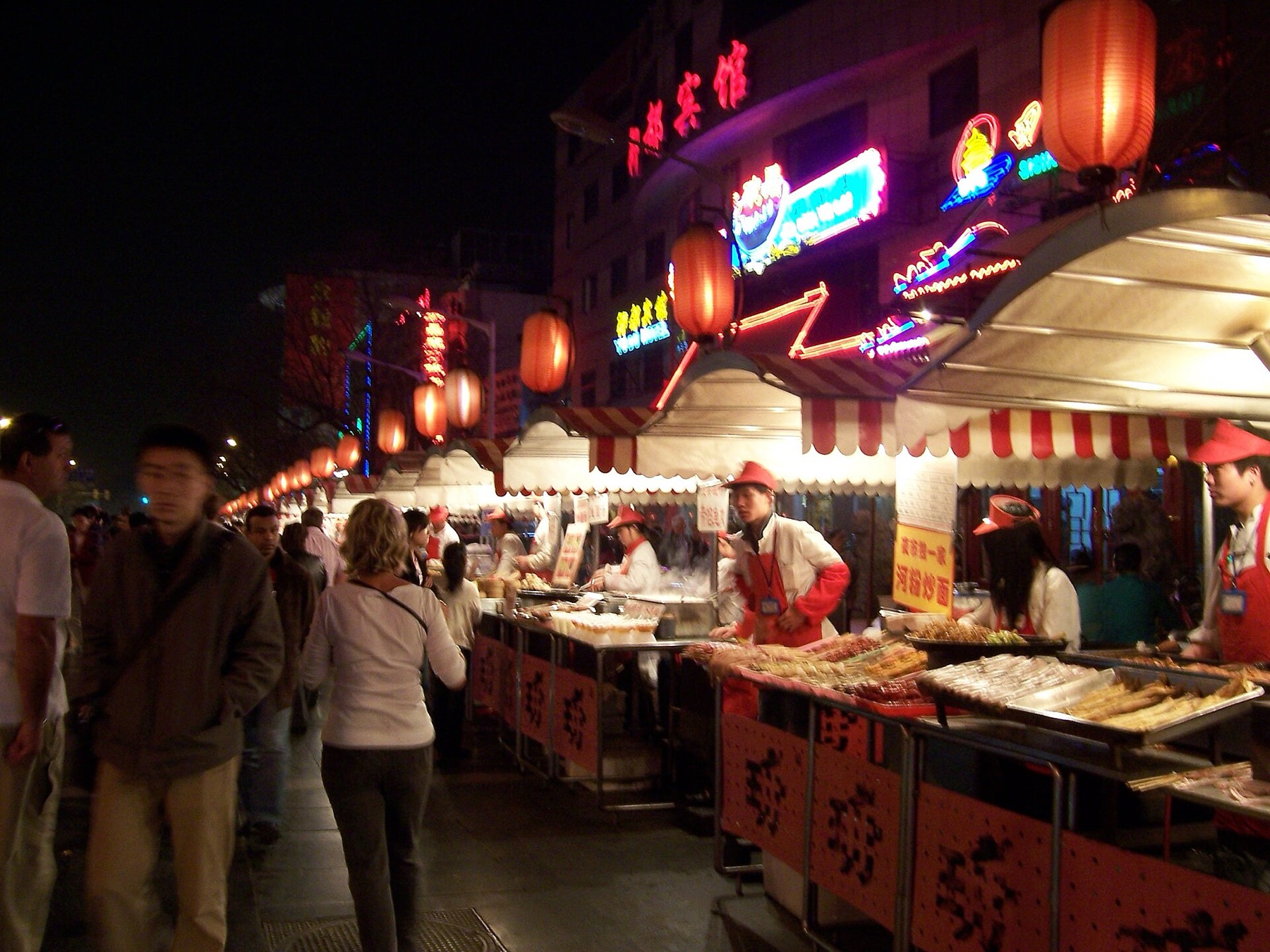
People & Places · Nightlife
Steam, light, voices and temporary stalls create more than “buzz”: they make a public atmosphere people enter with the whole body.
3 minute read
Read the story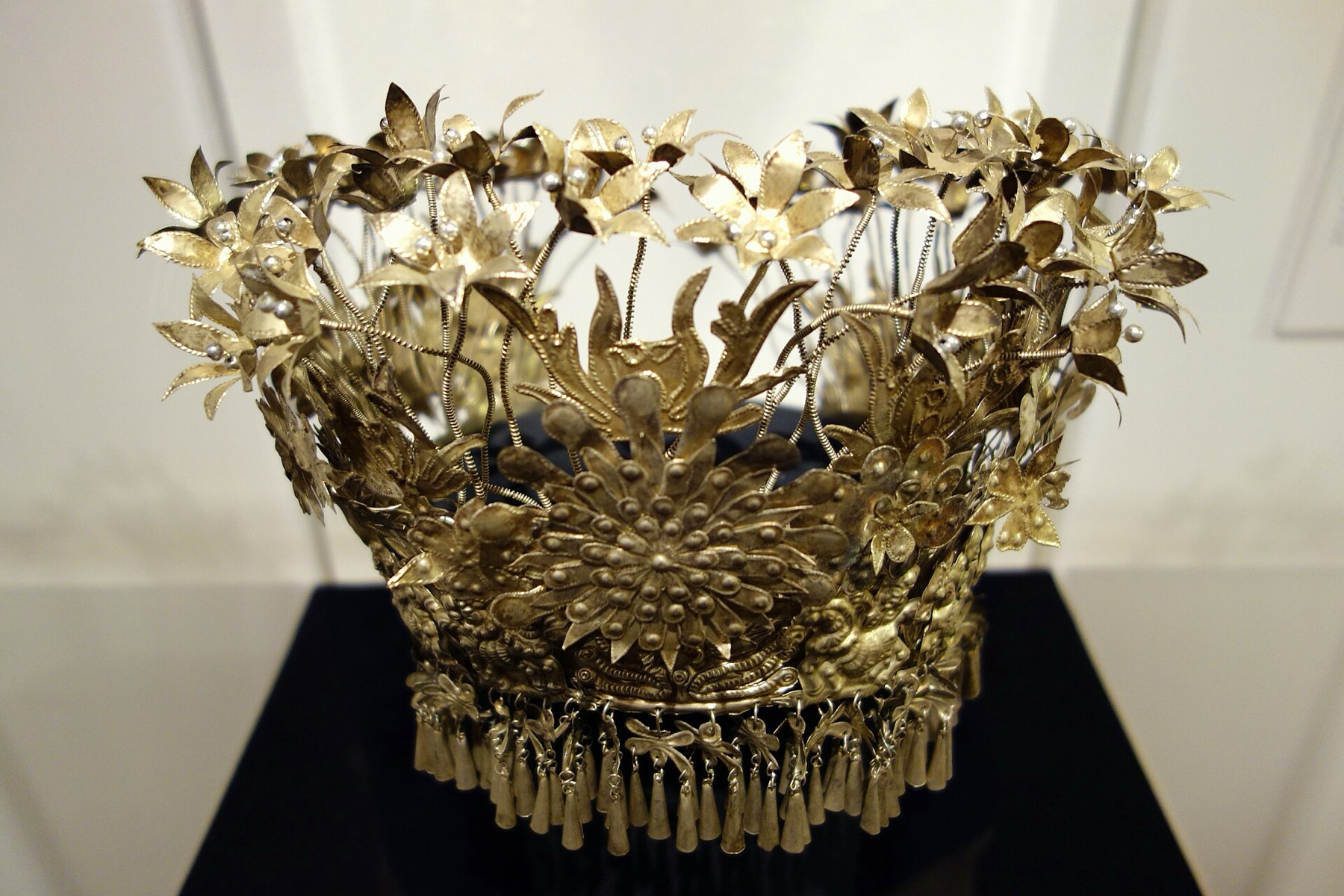
People & Places · Guizhou
Headdresses, collars, embroidery and indigo carry craft knowledge across generations—but no single costume represents every Miao community.
3 minute read
Read the story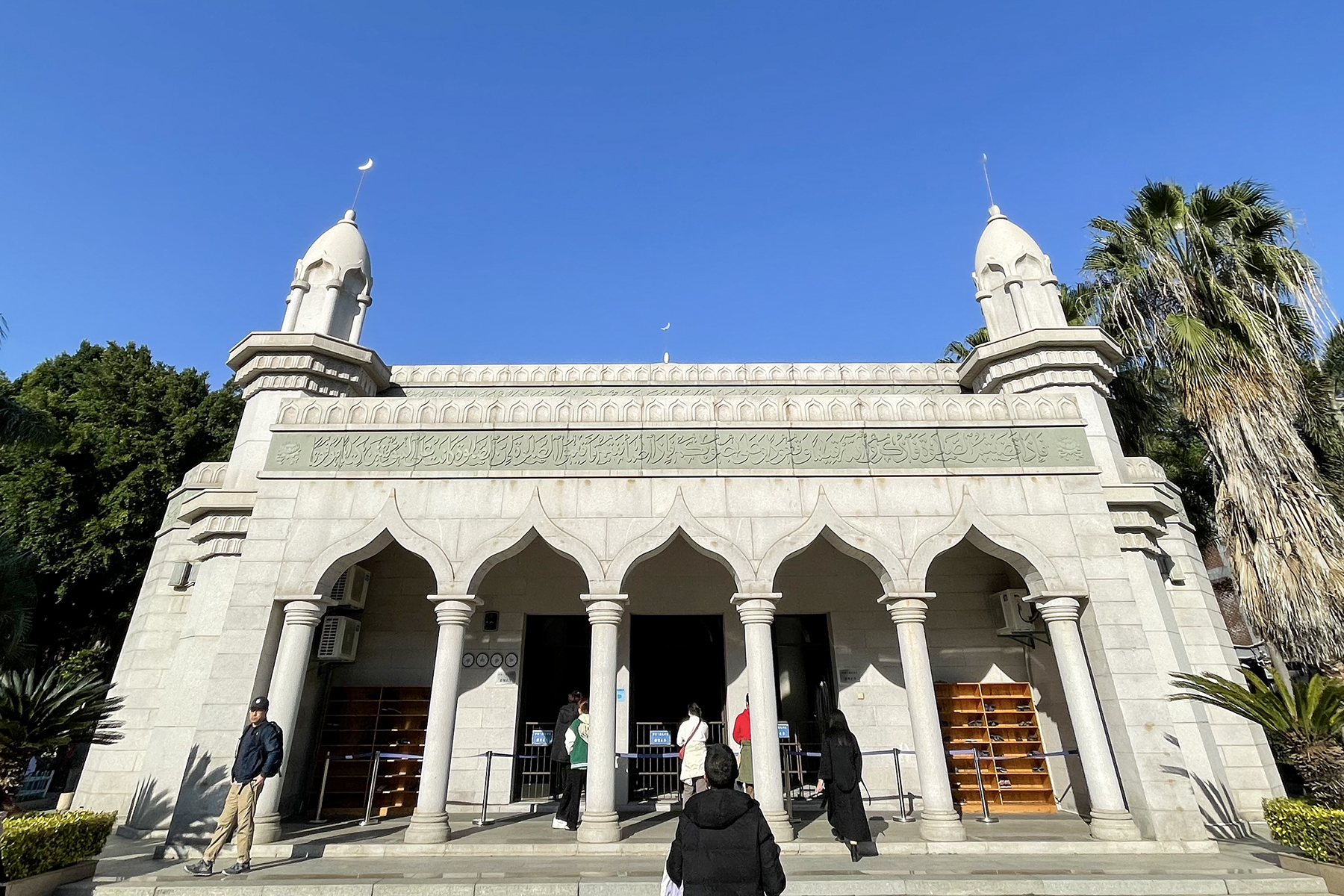
People & Places · Port cities
Quanzhou is often introduced as a stop on the “Maritime Silk Road.” The phrase is evocative but incomplete. During the Song and Yuan periods, especially from the tenth to the fourteenth centuries, Quanzhou was not simply a picturesque harbor touched by distant ships. It was an integrated trading city in which production zones, bridges, docks, official institutions, religious communities and ocean routes worked together. Its surviving sites reveal that global China is not a recent invention.
6 minute read
Read the story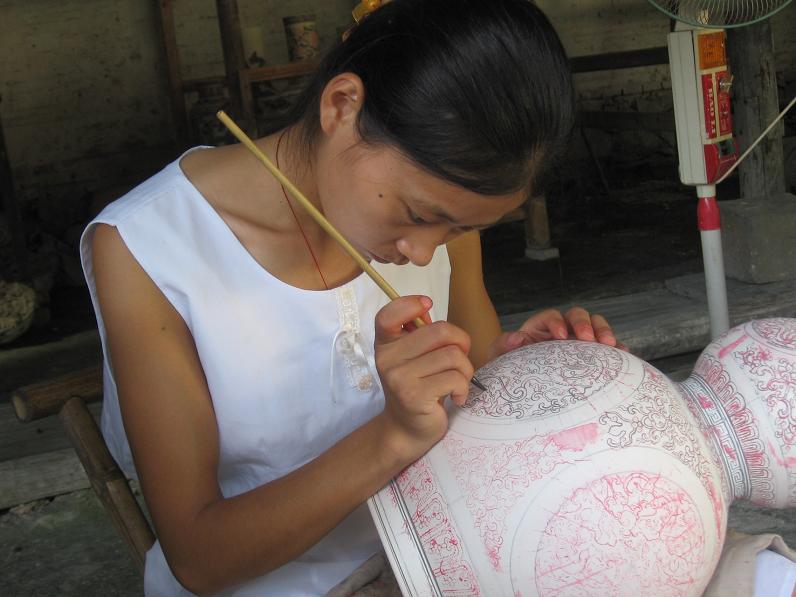
People & Places · Craft cities
Jingdezhen is called China’s “Porcelain Capital,” but the title can make a complicated place sound like a single famous kiln. The city’s real achievement was coordination: raw materials arrived from surrounding landscapes, specialists divided production into many stages, imperial and civilian workshops operated beside merchants and guilds, and finished ceramics traveled through domestic and maritime networks. Porcelain here was not one craft. It was an urban system.
5 minute read
Read the story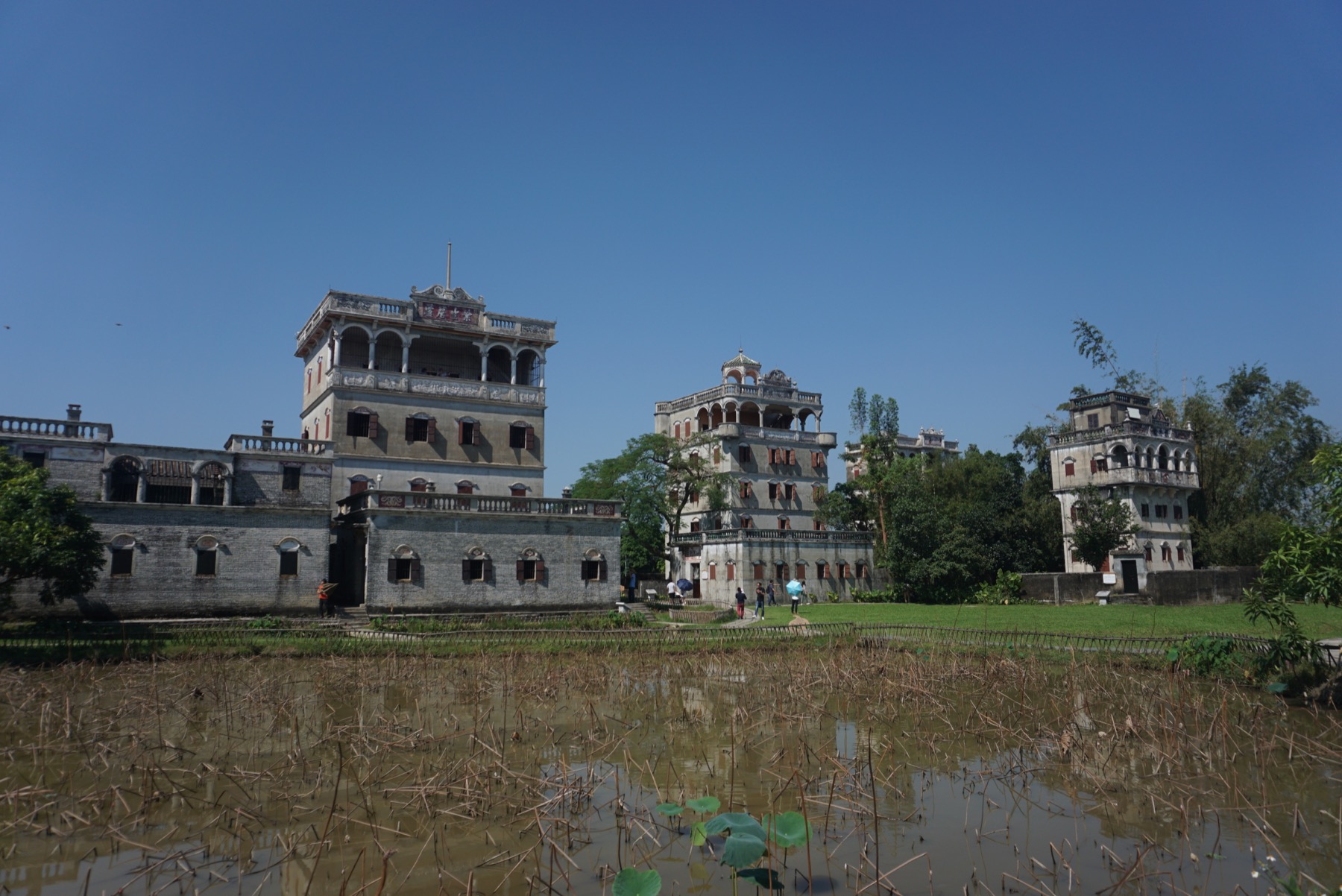
People & Places · Migration architecture
Across the flat agricultural landscape of Kaiping in Guangdong, concrete towers rise above rice fields and village roofs. Some carry domes, arcades or classical columns; others resemble compact fortresses punctured by narrow windows. They are called diaolou, multistorey buildings used for defence, residence or communal refuge. Their silhouettes are memorable, but their real subject is movement: people leaving home, earning money abroad, returning with ideas and building security into the landscape. UNESCO inscribed Kaiping Diaolou and Villages on the World Heritage List in 2007. The designation recognizes not an isolated architectural curiosity but a cultural landscape. Towers, houses, lanes, fields, ponds and village relationships belong together. To understand a diaolou only as a photogenic “Chinese castle” is to miss the networks that made it possible.
6 minute read
Read the story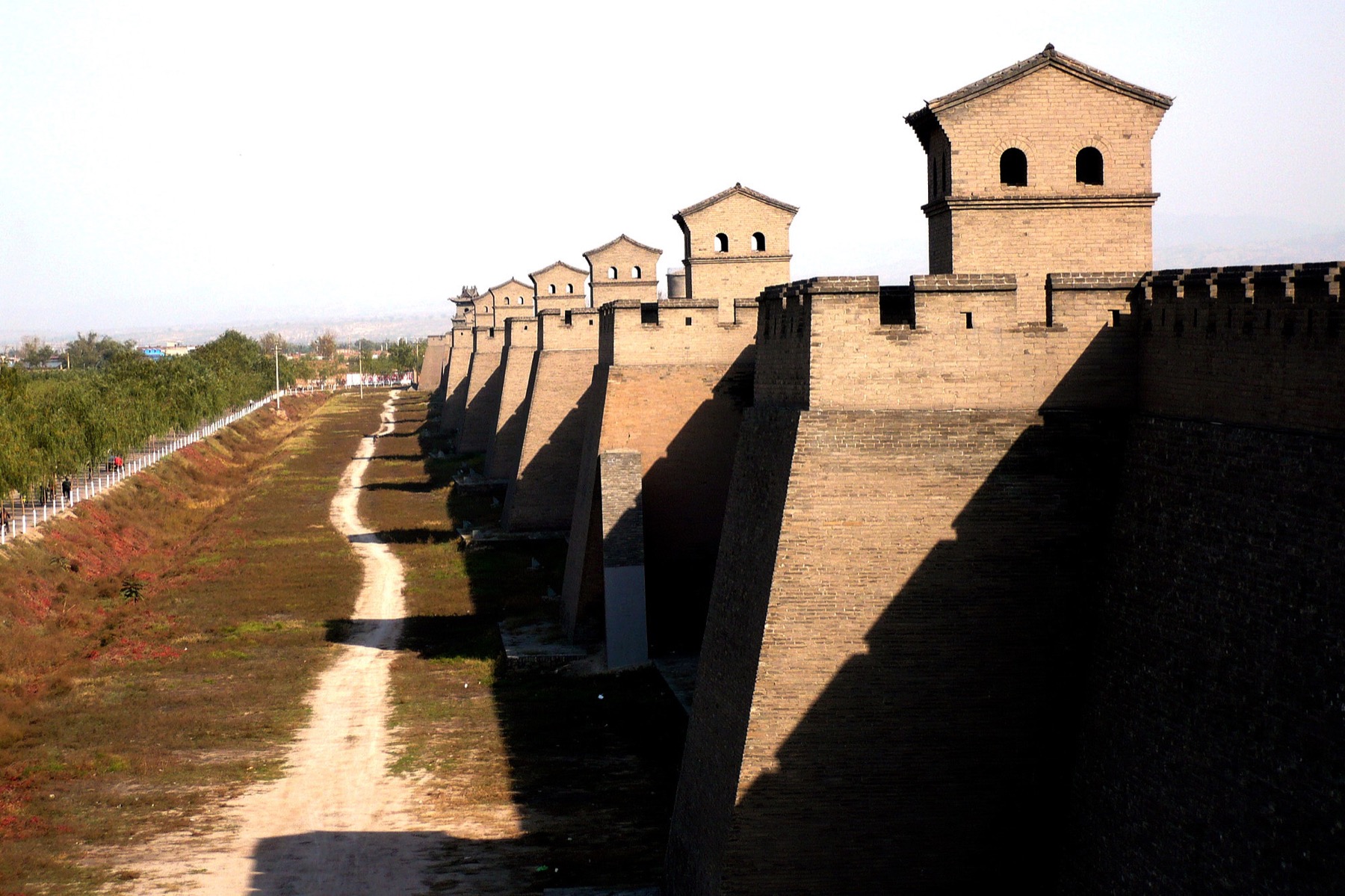
People & Places · Walled cities
From the top of Pingyao’s wall, the old city appears almost legible: tiled roofs, courtyard compounds, temple axes and commercial streets held inside a clear boundary. At ground level, the order becomes more intimate. A lane narrows. A doorway reveals one courtyard behind another. A former banking hall opens onto a story of money moving across an empire. Pingyao is often marketed as a perfectly preserved “ancient city.” The phrase is useful but dangerous. It can turn a living, repeatedly repaired place into a stage set. The more interesting question is not whether Pingyao has escaped time, but how its urban structure has carried different times together.
5 minute read
Read the storyThe letter
Thoughtful stories and small discoveries from China, delivered in the language you love to read.
English / Español · Confirm by email