
A date organized by moonlight
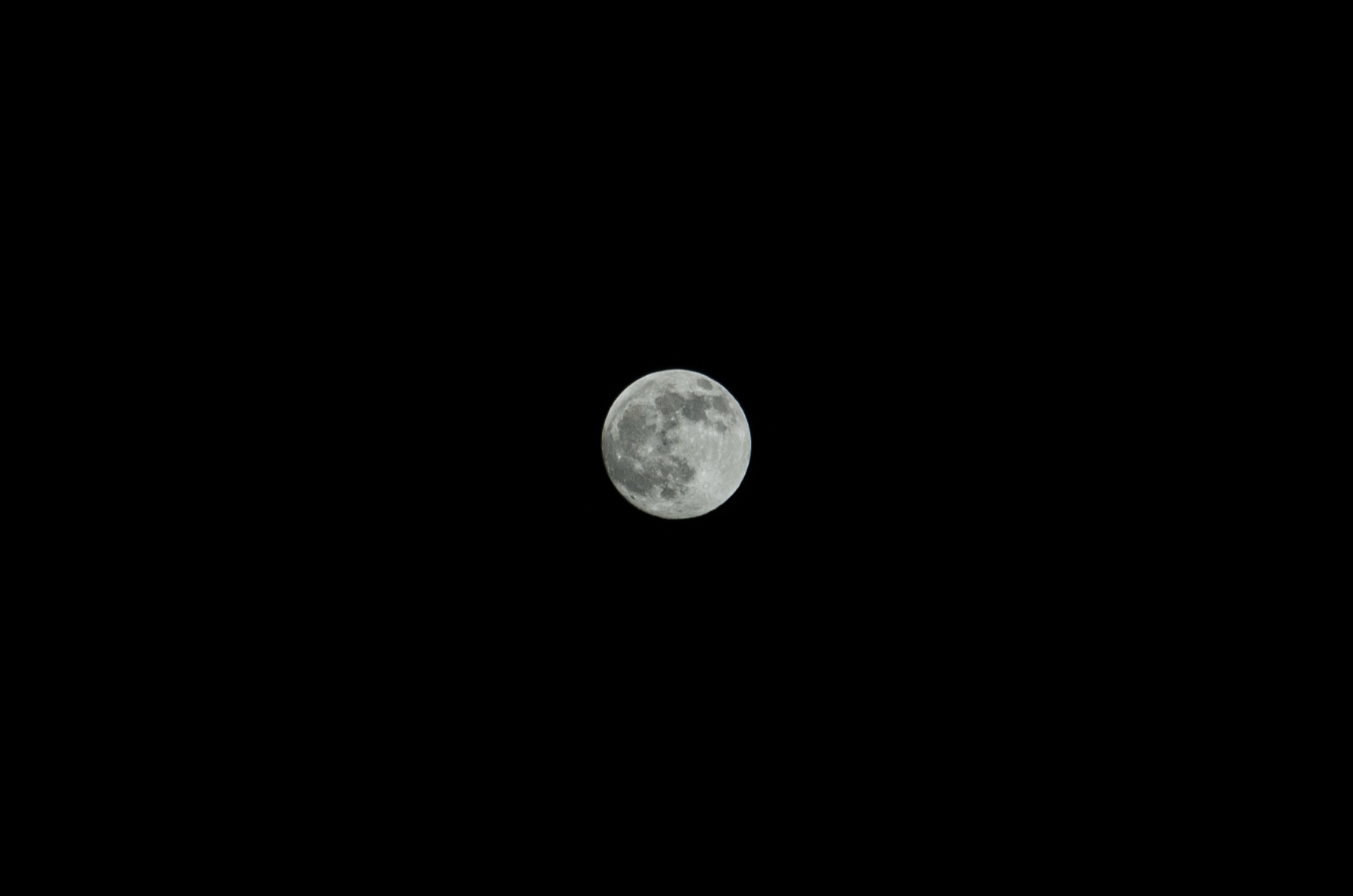
Mid-Autumn Festival falls on the fifteenth day of the eighth lunar month, when the moon is expected to be full. The date moves within the Gregorian calendar, but its visual center remains stable: people look upward toward something simultaneously distant and shared. Reunion becomes the festival’s strongest contemporary language.
The same moon can be seen by family members separated across cities or countries. Poems and messages turn astronomical simultaneity into emotion. To admire the moon is also to notice absence.
Chang’e rises into the story
Stories of Chang’e, the woman who ascends to the moon, circulate in multiple versions. Some emphasize immortality, separation or sacrifice; later paintings stage her movement through clouds. The Jade Rabbit and the archer Hou Yi may join the narrative. There is no need to force the variations into one official plot.
Festival stories work through retelling. A child’s illustrated book, a Qing painting and a television animation can share names while producing different sympathies. Myth remains alive because each generation selects what the distance to the moon should mean.
A mooncake is made to divide
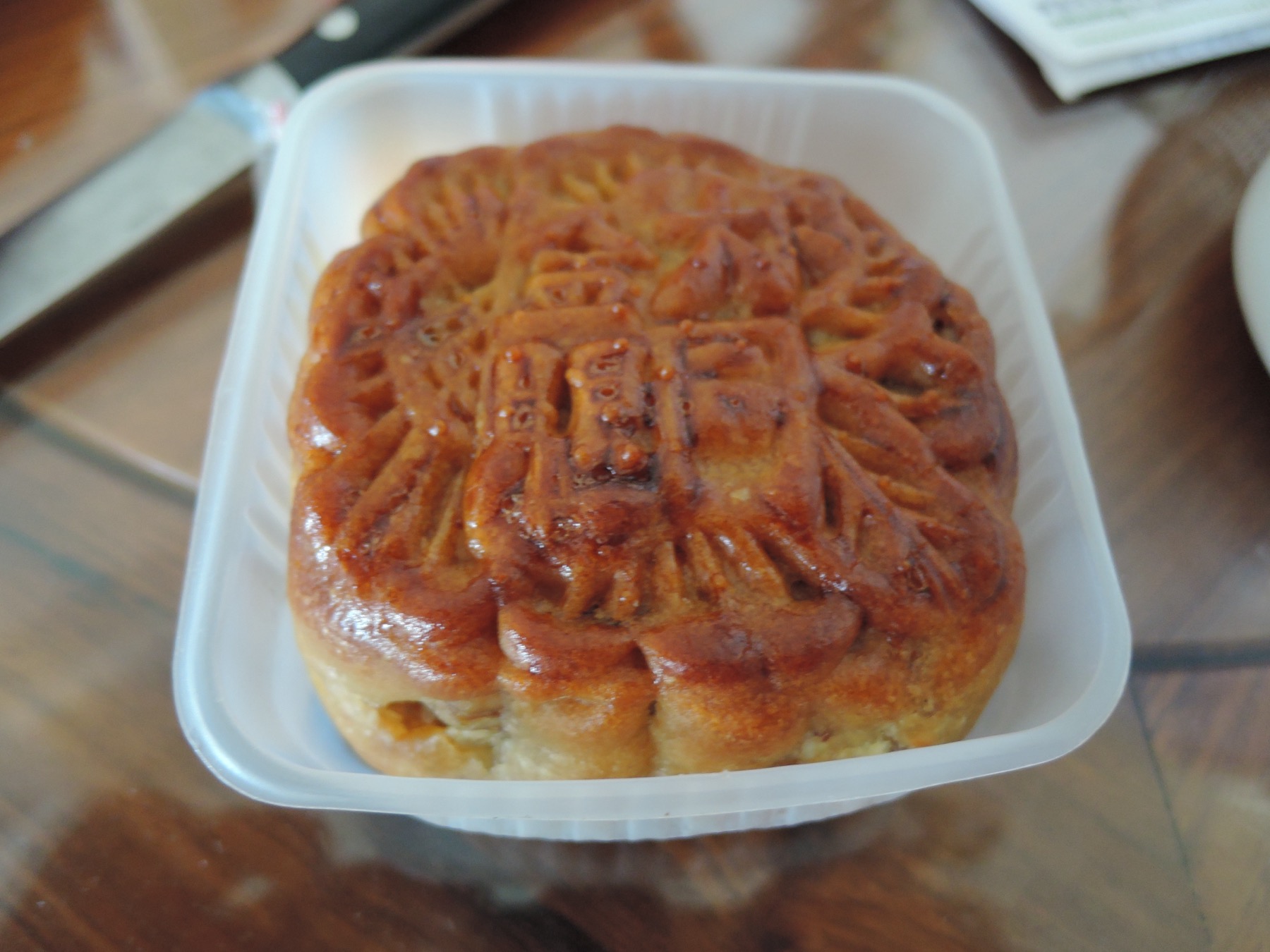
The round mooncake echoes the full moon and the ideal of completeness, but its social meaning comes from cutting. Dense fillings and rich pastry encourage small wedges distributed around a table. Lotus seed paste, red bean, nuts, salted egg yolks, meat and contemporary flavors reveal strong regional and commercial variety.
Luxury boxes can turn mooncakes into corporate gifts and status objects, while homemade or modest versions stay close to family memory. The category contains both intimacy and industry. Packaging should not distract us from the hands passing each piece.
Lanterns give darkness a shape
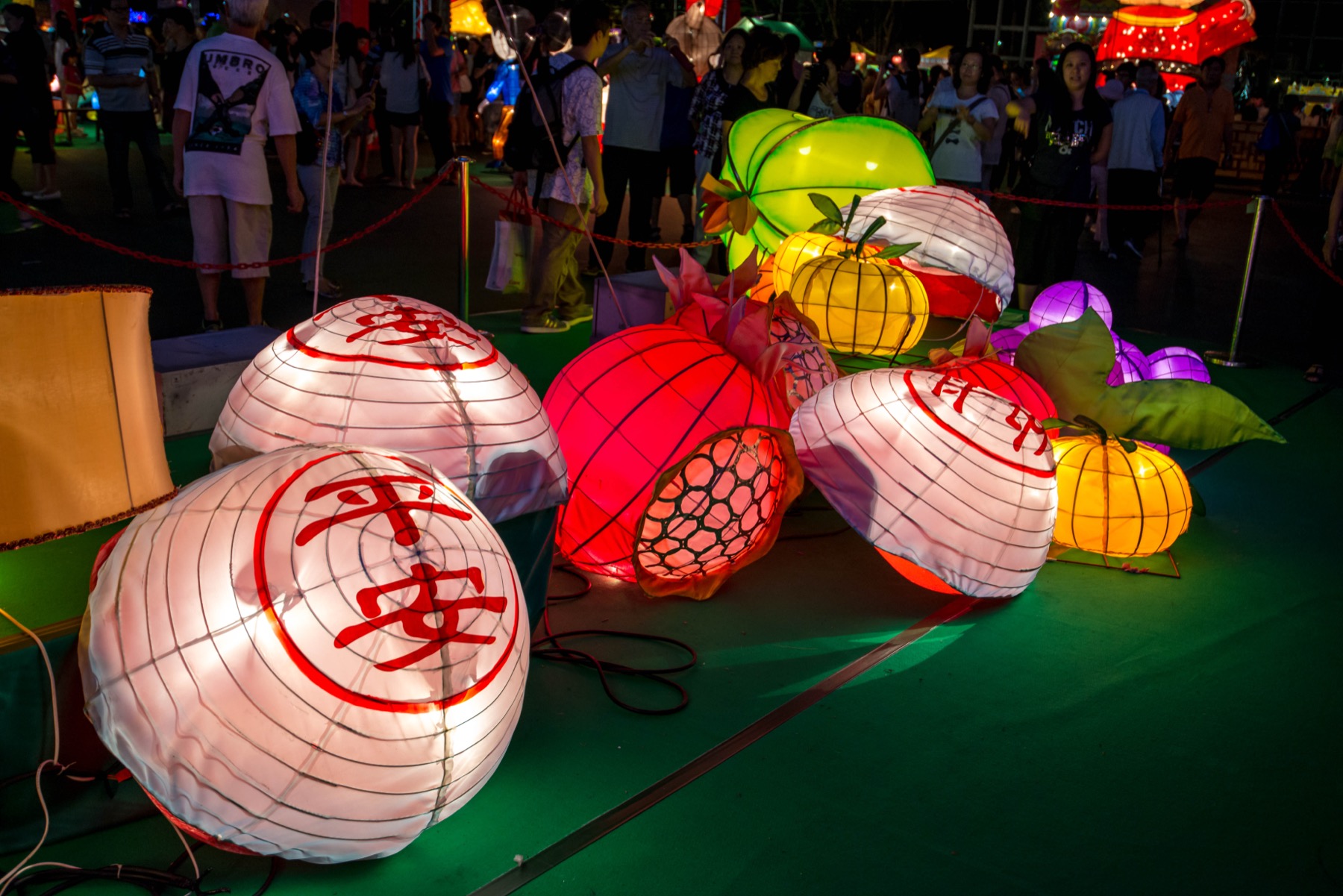
Lantern customs vary by region and community. Children may carry glowing forms, parks build large displays, and families write riddles or wishes. Light turns an evening walk into a collective scene. Like the moon, a lantern holds brightness inside a boundary and makes darkness perceptible around it.
Public spectacle and domestic quiet coexist. One family may travel, another eat together, and another mark the night only with a message. A festival remains real even when it is observed lightly or from far away.
Share a view, not a stereotype
To participate, begin with someone rather than a checklist. Ask a friend which mooncake they grew up eating, whether their family goes outside, and which story they remember. The answers may contradict a polished festival guide. That difference is the living culture.
Then look at the moon for a few minutes without photographing it immediately. The festival’s most durable gesture requires almost nothing: direct your attention toward a distant object and imagine the other people who may be doing the same.
Join the conversation
What did this make you notice?
Who comes to mind when you look at the moon from far away?