
Art & Objects · Material culture
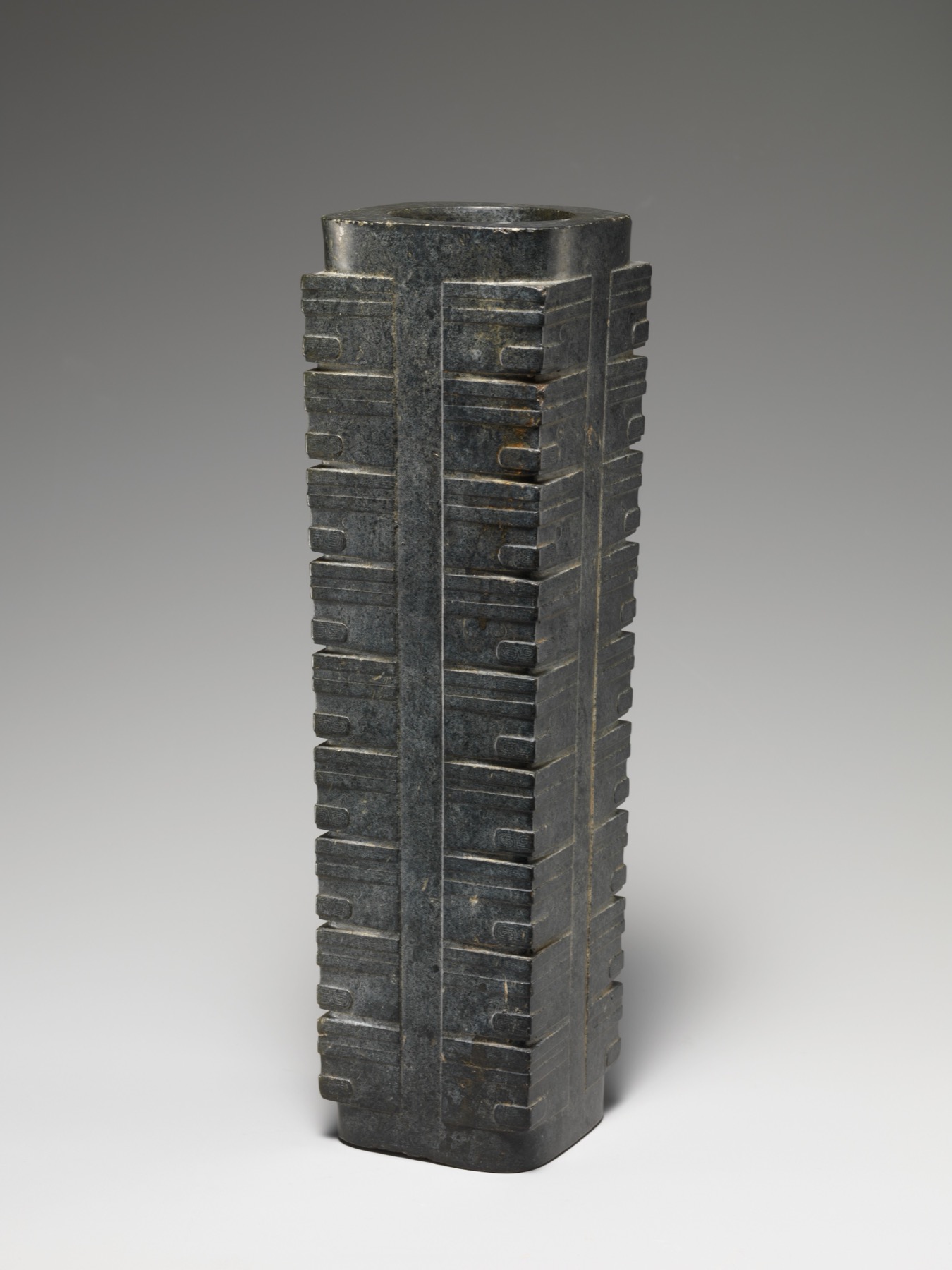
Why jade matters in China.
Before jade became a jewelry category, it carried ritual weight, moral language and the visible evidence of difficult human work.
6 minute read
Read the story01 / Explore the journal
Look at the details. Follow the forms, materials and ideas that invite a closer encounter with Chinese beauty.
01 / 2 stories
Read the meanings held in jade and blue-and-white porcelain.
Art & Objects · Material culture
Before jade became a jewelry category, it carried ritual weight, moral language and the visible evidence of difficult human work.
6 minute read
Read the story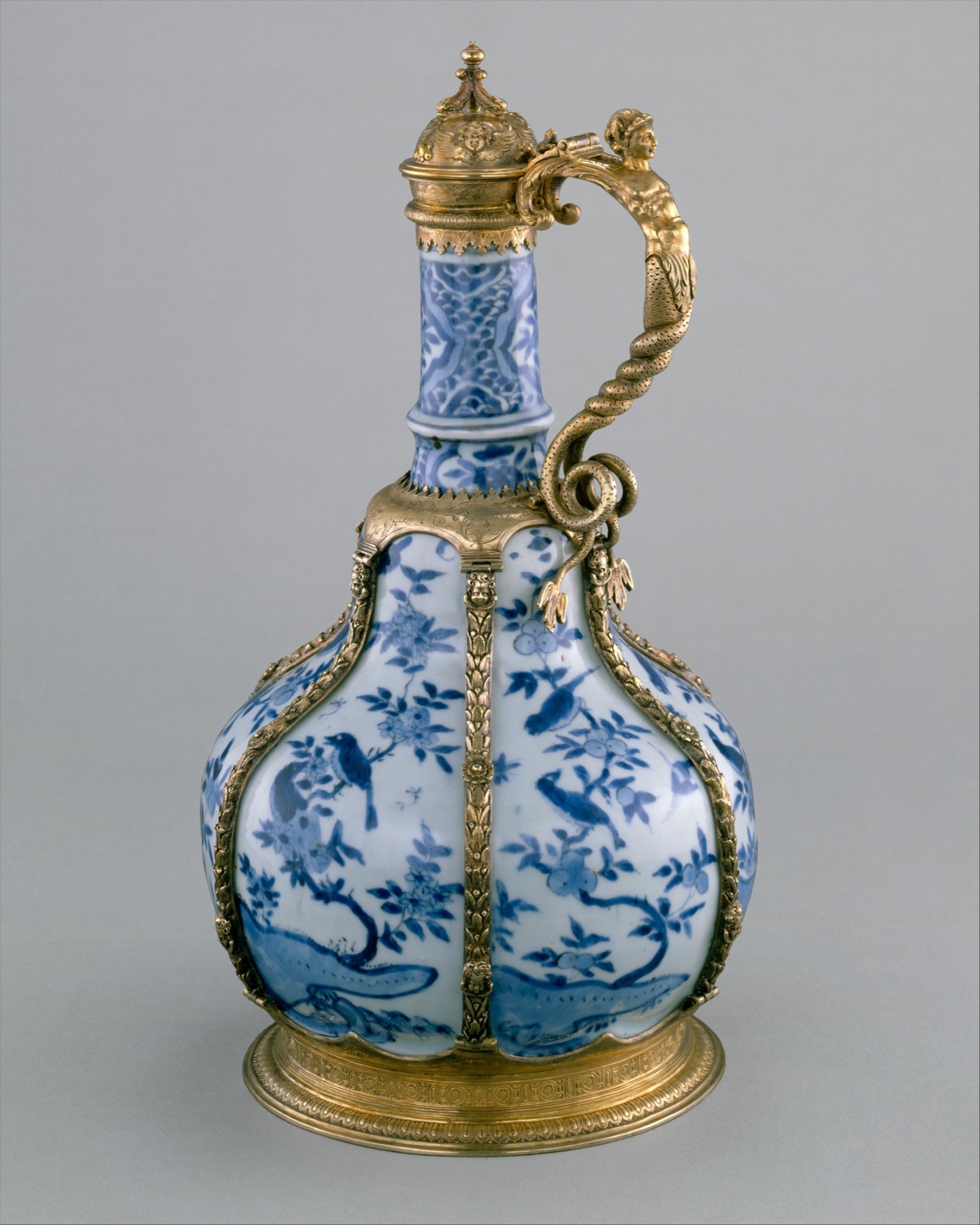
Art & Objects · Porcelain
What looks like a perfectly Chinese object carries cobalt, kilns, ships, foreign commissions and centuries of imitation inside its blue lines.
4 minute read
Read the story02 / 3 stories
Follow a brushstroke, an open space or a color across centuries.
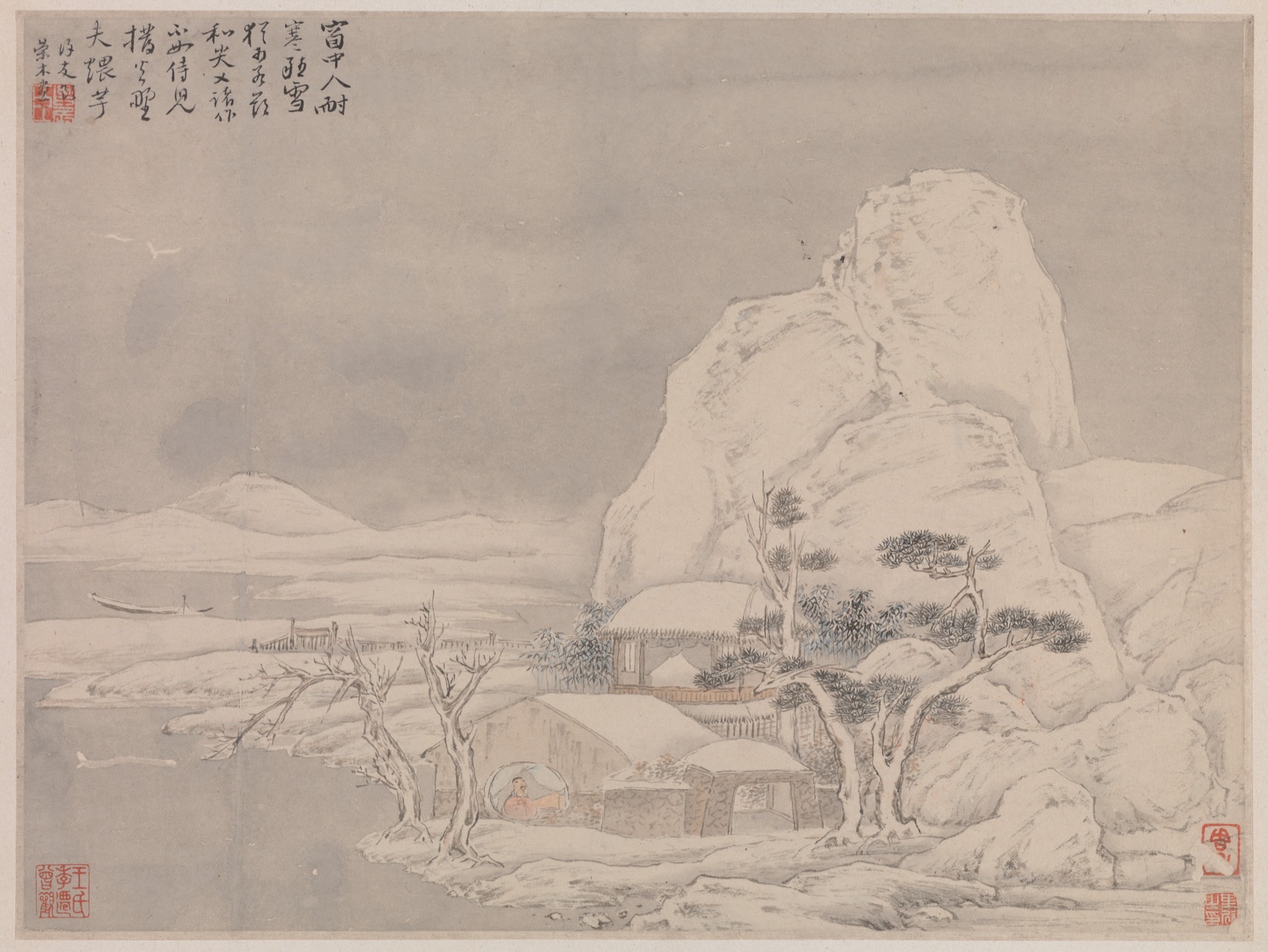
Art & Objects · Painting
In a Chinese landscape, an unpainted passage may be mist, water, distance or breath. Learning to see what is absent changes the way the whole painting moves.
5 minute read
Read the story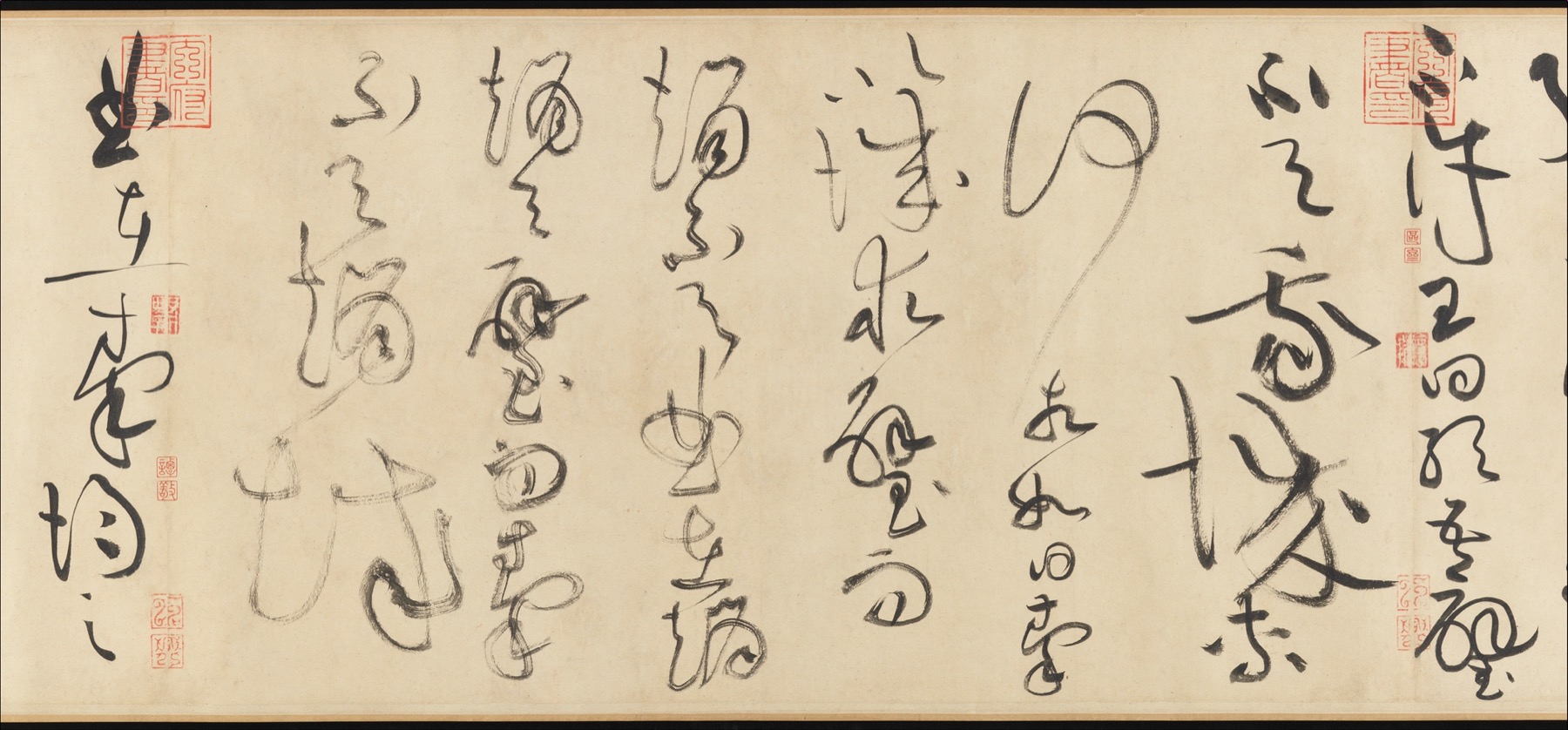
Art & Objects · Calligraphy
You do not need to read every character to notice speed, pressure, balance and the intelligence of a flexible brush.
4 minute read
Read the story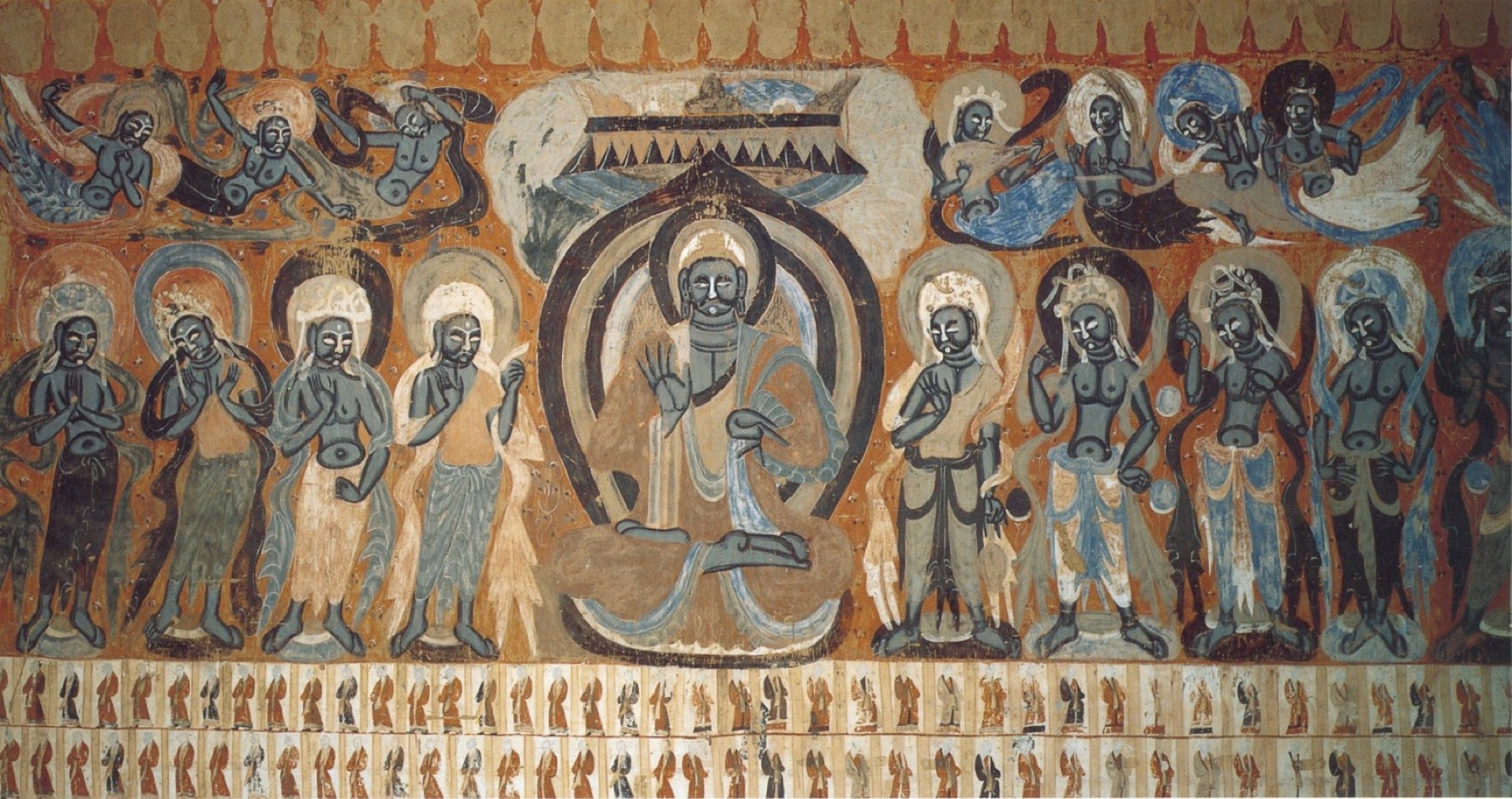
Art & Objects · Sacred art
The Mogao caves preserve a thousand years of painting, sculpture, devotion and exchange at one of the Silk Roads’ great crossroads.
4 minute read
Read the story03 / 2 stories
Discover how beauty takes shape around the body and within a landscape.
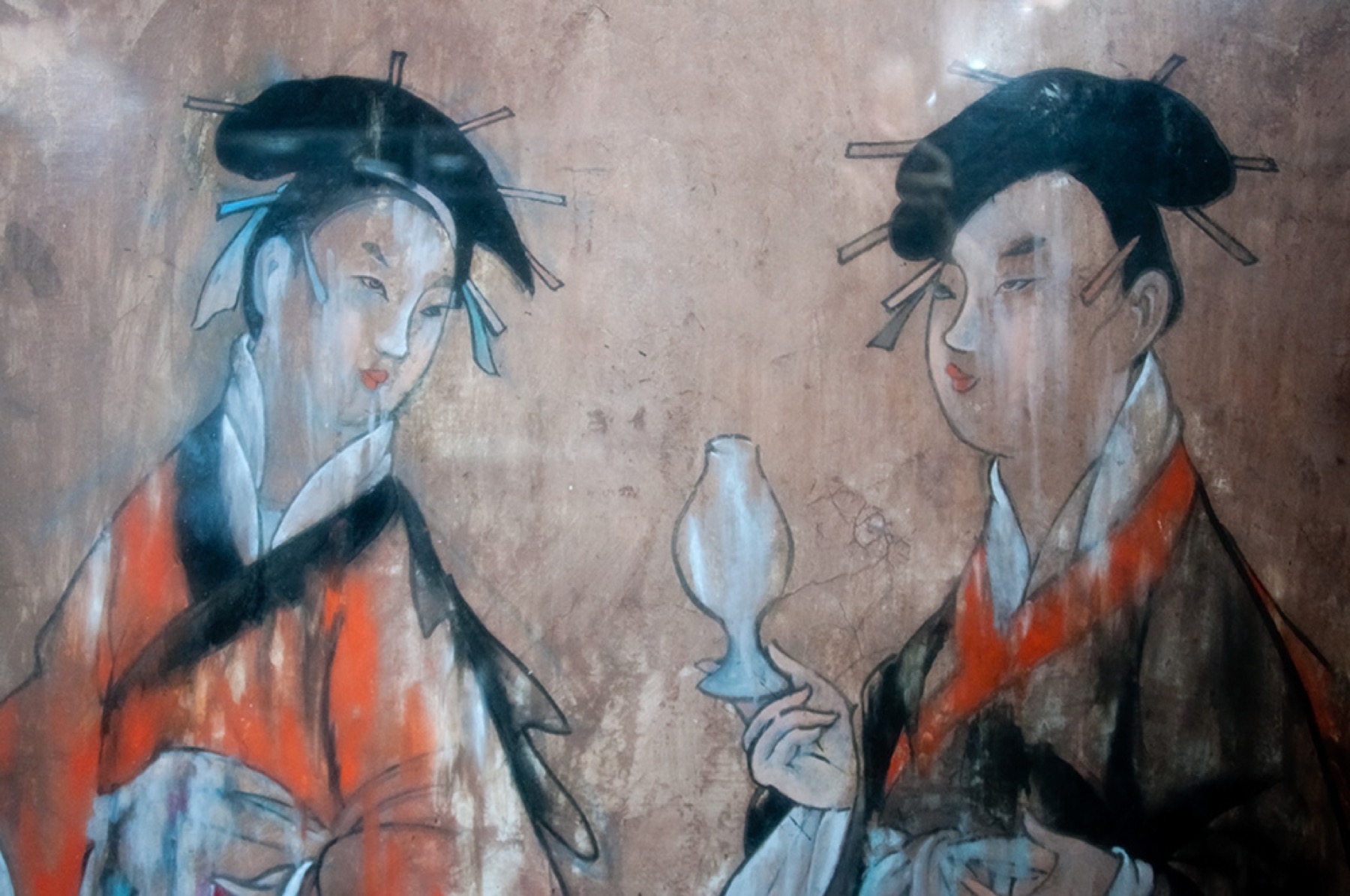
Art & Objects · Dress & identity
Hanfu is often introduced through a beautiful silhouette. A closer encounter begins when we ask what the garment is doing: how it is cut, how it moves, which past it evokes, and why people choose to wear it now.
7 minute read
Read the story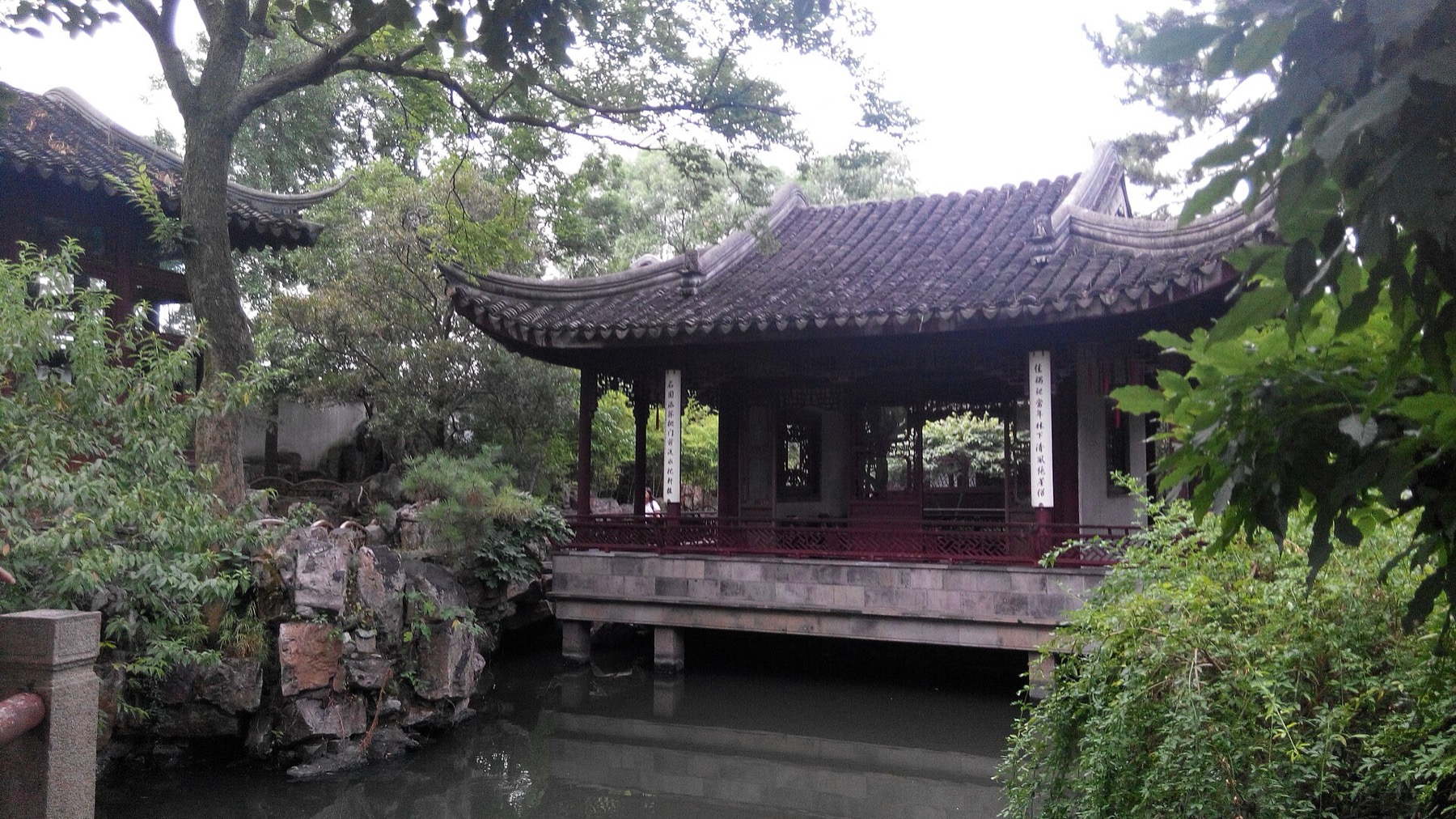
Art & Objects · Gardens
Walls, windows, water and rock make a small urban garden feel larger by deciding what the eye can see—and when.
3 minute read
Read the story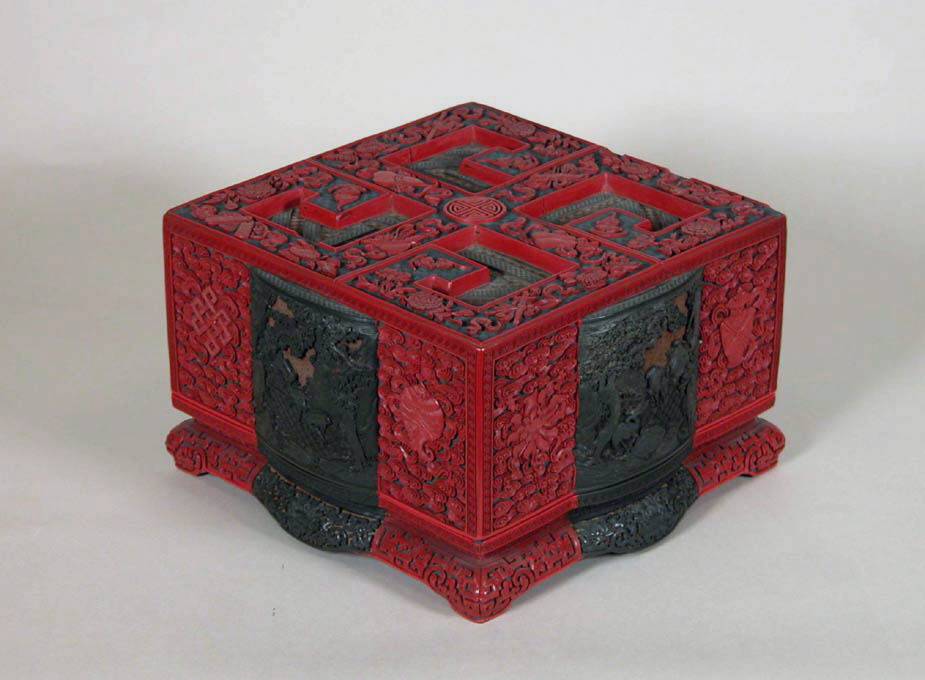
Art & Objects · Lacquer
Chinese carved lacquer can look like a red object covered in decoration. In fact, its surface is the object’s most astonishing structure: many coats of tree sap, applied thinly, hardened under controlled humidity, built into depth and finally cut as if the color itself had become a landscape. To understand it, forget the speed of carving wood or molding plastic. Chinese carved lacquer is an art of waiting before it is an art of cutting.
6 minute read
Read the story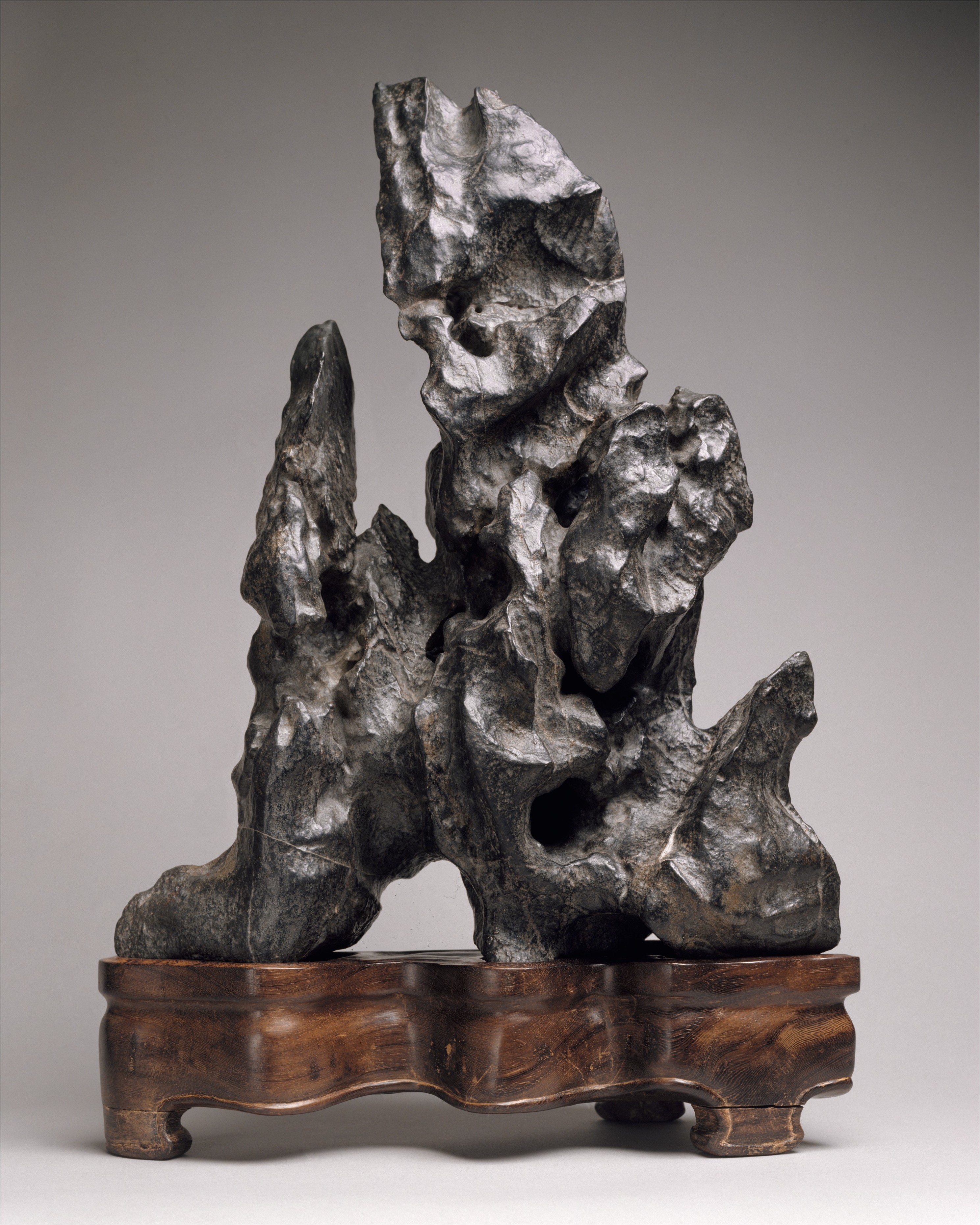
Art & Objects · Scholars’ rocks
A Chinese scholar’s rock is not a rough stone waiting to become sculpture. It is a found or carefully enhanced form selected because erosion, mineral structure and time have already made it visually active. Placed upright on a fitted wooden stand, a modest stone can suggest a mountain range, a cave system, an animal or an entire landscape. Its meaning begins in looking, but never ends with resemblance.
5 minute read
Read the story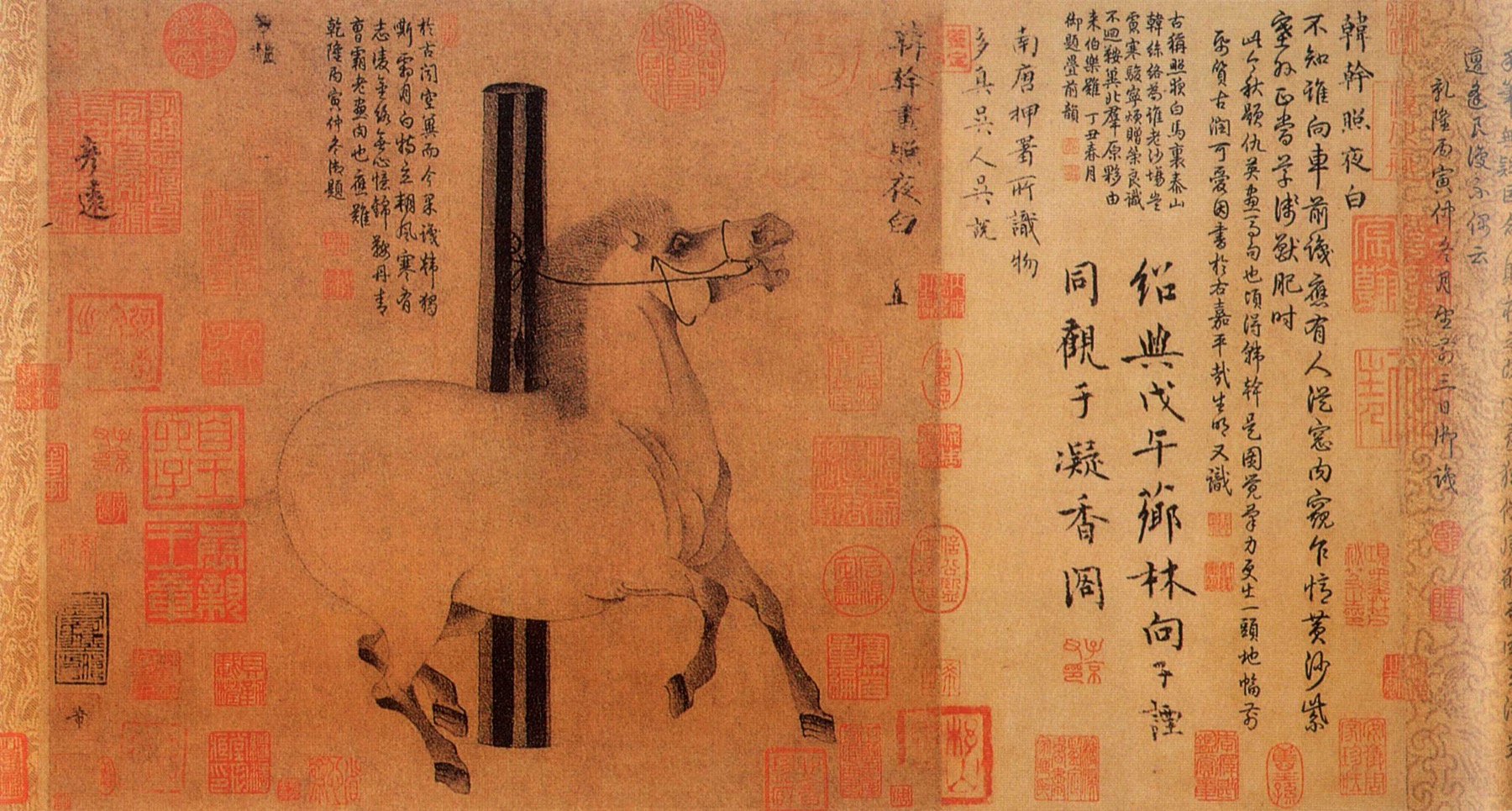
Art & Objects · Painting & seals
On a Chinese handscroll, a red square may sit beside the artist’s inscription. Another appears near a tree, a third at the edge of the mounting, and many more accumulate across later sheets of paper. To an unfamiliar viewer they can look like interruptions. In fact, they may tell us who made the work, who owned it, who admired it and how the object travelled through time. The first useful distinction is simple: not every seal belongs to the artist. Some identify a painter or calligrapher; some belong to collectors; some record an imperial collection or a studio. They do not all carry the same authority, and their presence does not automatically prove that an attribution is correct. Read carefully, however, they reveal that a Chinese painting was often understood not as a sealed-off image but as an object with a social life.
6 minute read
Read the story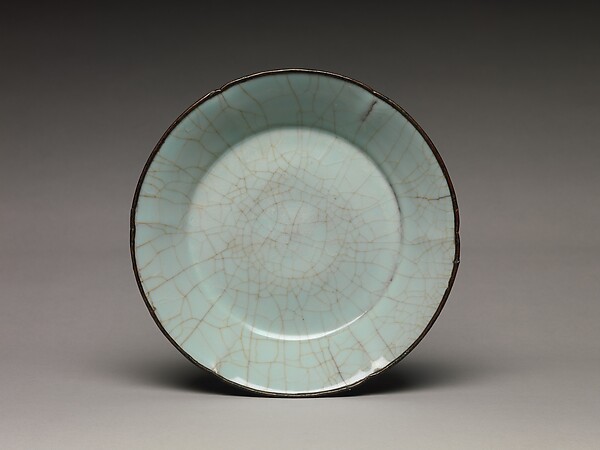
Art & Objects · Ceramics
At first glance, the fine dark lines on a Guan ware dish resemble damage. They run without symmetry, dividing a blue-grey surface into small islands. Yet the object has not simply failed. In some of the most admired ceramics of Southern Song China, crackle was cultivated as part of the glaze’s visual life. That reversal—from defect to desired effect—is useful far beyond ceramics. It shows that Chinese aesthetics cannot be reduced to polished perfection. Beauty could also emerge from the controlled encounter between material, heat, chance and time.
5 minute read
Read the storyThe letter
Thoughtful stories and small discoveries from China, delivered in the language you love to read.
English / Español · Confirm by email