
Nature is carefully constructed
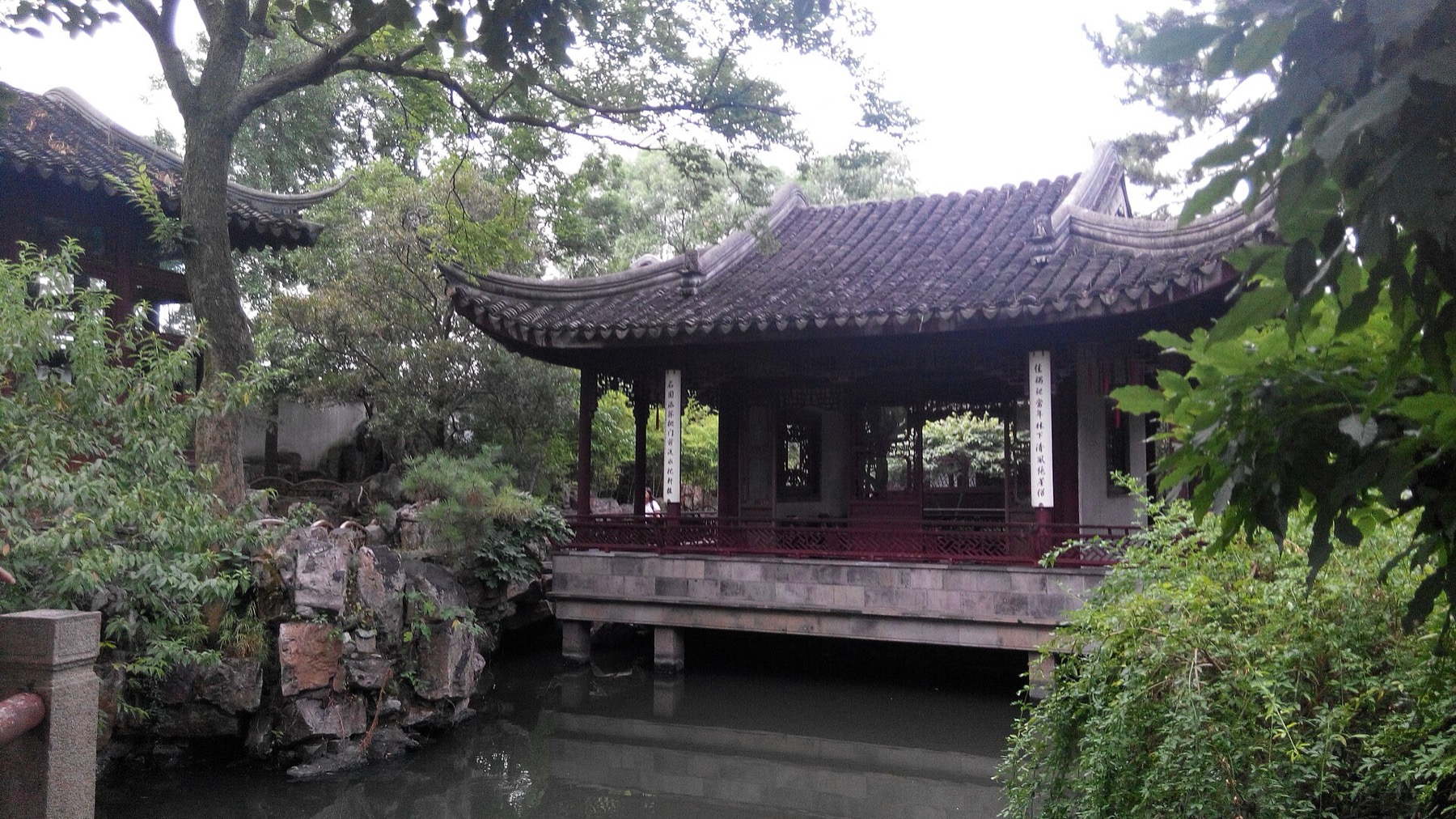
Classical Suzhou gardens can feel spontaneous: a crooked pine leans over water, rock rises beside a pavilion and a path disappears. The effect is highly designed. Builders compressed an imagined natural world into urban residential space using water, stone, plants, architecture, calligraphy and literary reference.
UNESCO describes nine gardens dating from the eleventh to nineteenth centuries as exceptional examples of this tradition. They are not interchangeable. Each records different owners, renovations and relationships with the city around it.
A window edits the view
A patterned window does more than admit light. It crops bamboo, rock or roof into a temporary picture. As the visitor walks, the composition changes. Doorways open one space inside another, while covered corridors delay arrival. Architecture turns looking into a sequence rather than a panorama consumed at once.
This is why a garden cannot be understood from its most famous photograph. The body must turn, stop, cross a threshold and look back. Movement is part of the design material.
Borrowed scenery extends the boundary
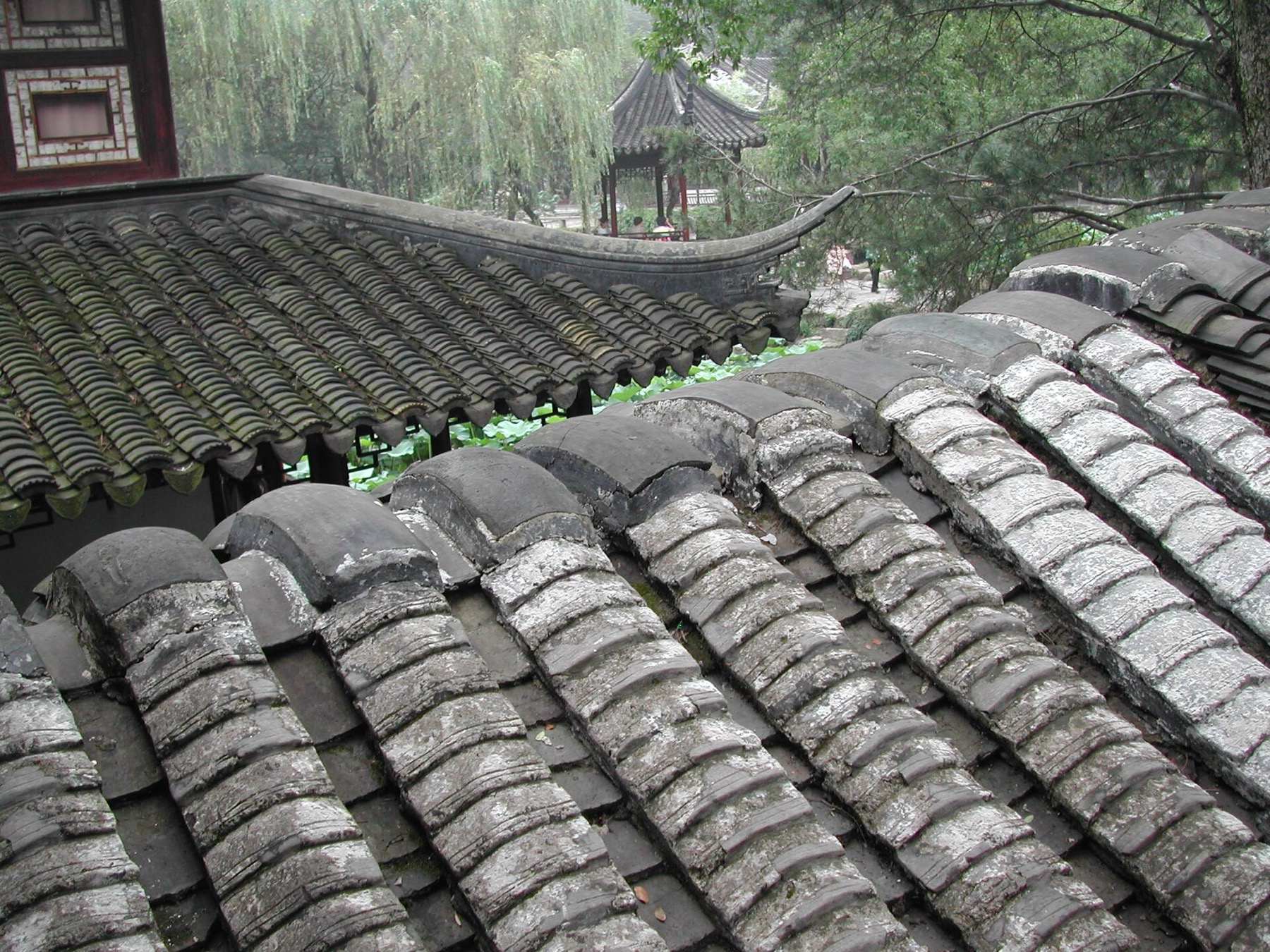
Jiejing, often translated as “borrowed scenery,” incorporates something beyond the immediate garden—a distant pagoda, neighboring roof, seasonal tree or piece of sky—into a framed view. The garden does not own the borrowed element, yet its composition depends on it. A boundary becomes visually porous.
Not every attractive vista is borrowed scenery. The term is most useful when we can identify how design deliberately captures an external feature. It describes a relationship between near and far, private and shared.
Rock becomes mountain
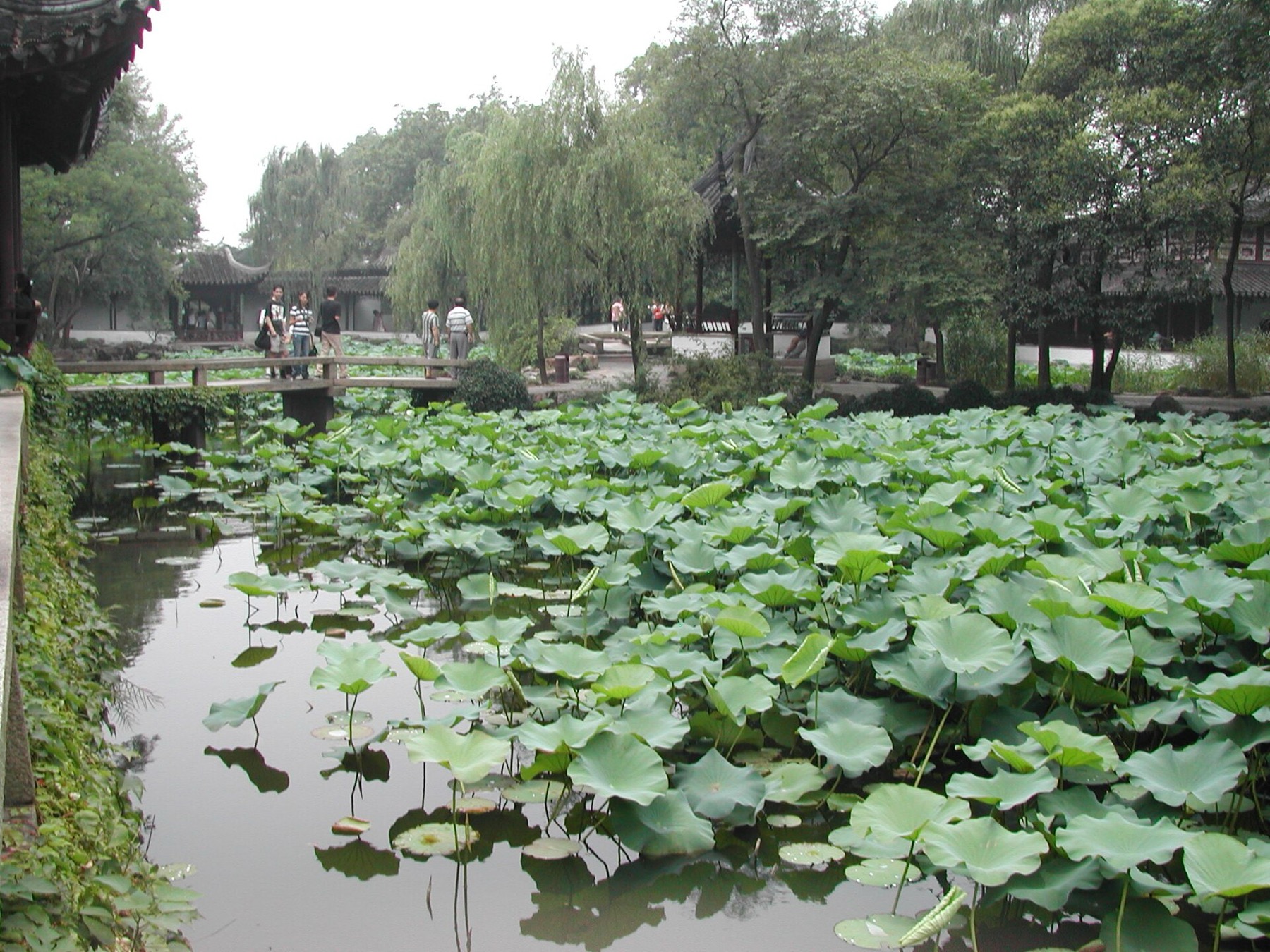
Scholar’s rocks and larger rockeries condense geological imagination. Perforation, asymmetry and weathered surfaces invite the eye to travel through miniature peaks and caves. Water expands the effect through reflection, doubling architecture and sky while hiding depth.
Scale remains intentionally unstable. A stone is itself and a mountain; a pond is a courtyard feature and an open lake. The garden asks imagination to complete what limited urban land cannot physically contain.
Visit slowly enough for the garden to edit you
Crowds can make slow viewing difficult, so choose one circuit and repeat part of it. Look through the same opening from both directions. Notice which view is concealed on the first approach and revealed on the return. Read a plaque only after studying what it faces.
The garden’s deepest luxury is not size but attention. It creates abundance by limiting sight, then releasing it. What appears natural is a precise invitation to become more observant.
Join the conversation
What did this make you notice?
What view outside your own room could become part of its design if you framed it differently?