
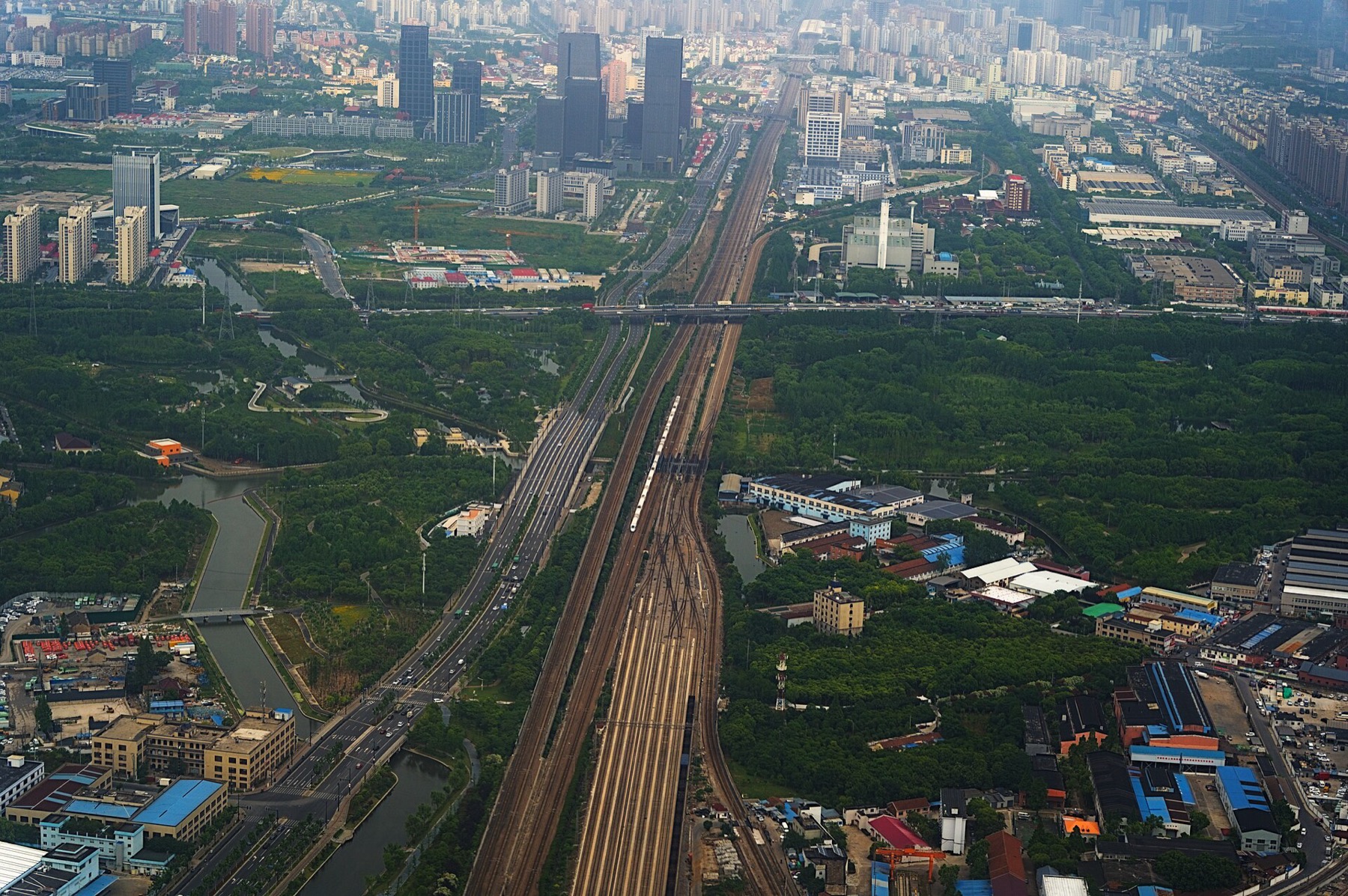
Speed becomes ordinary
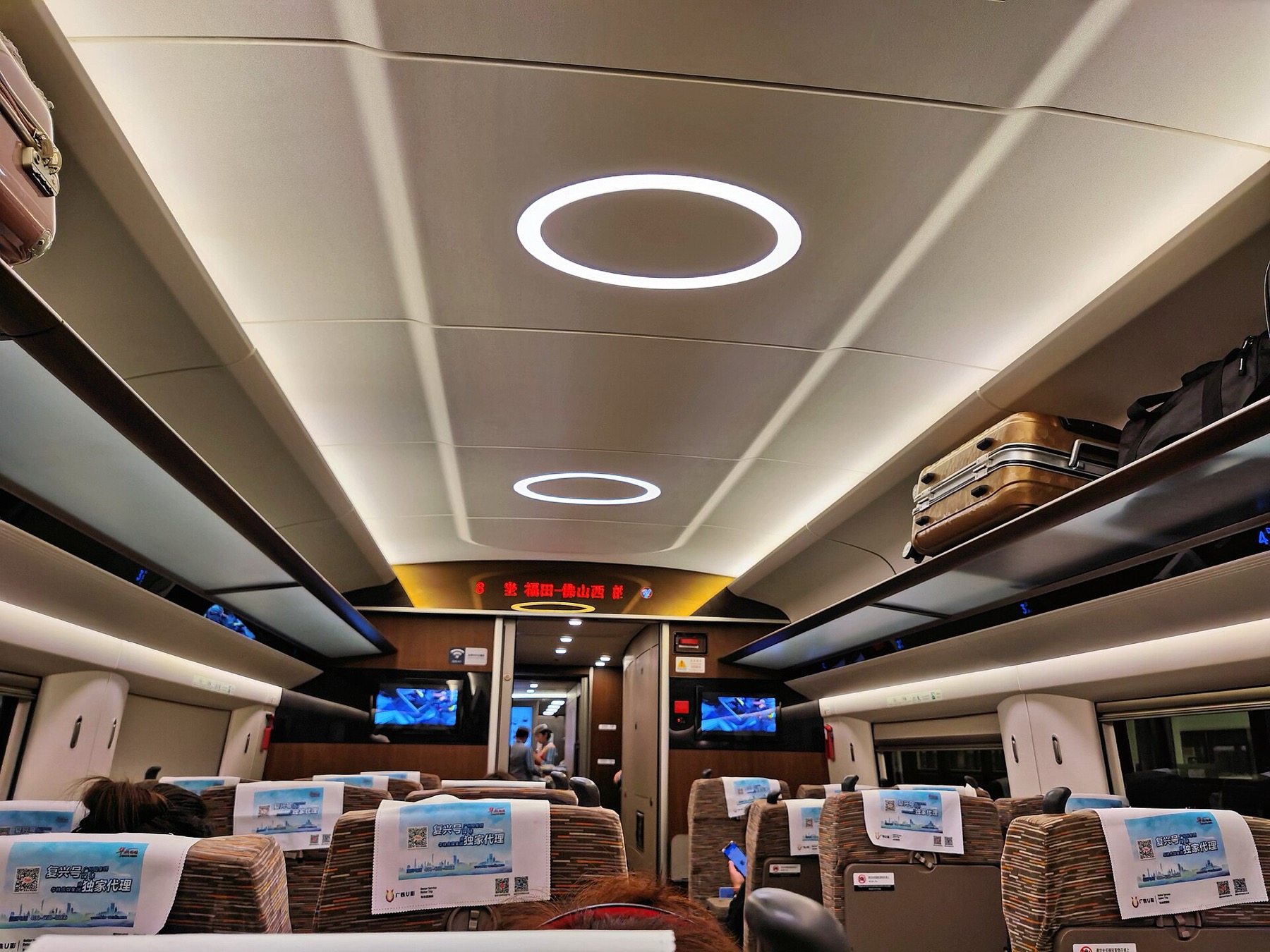
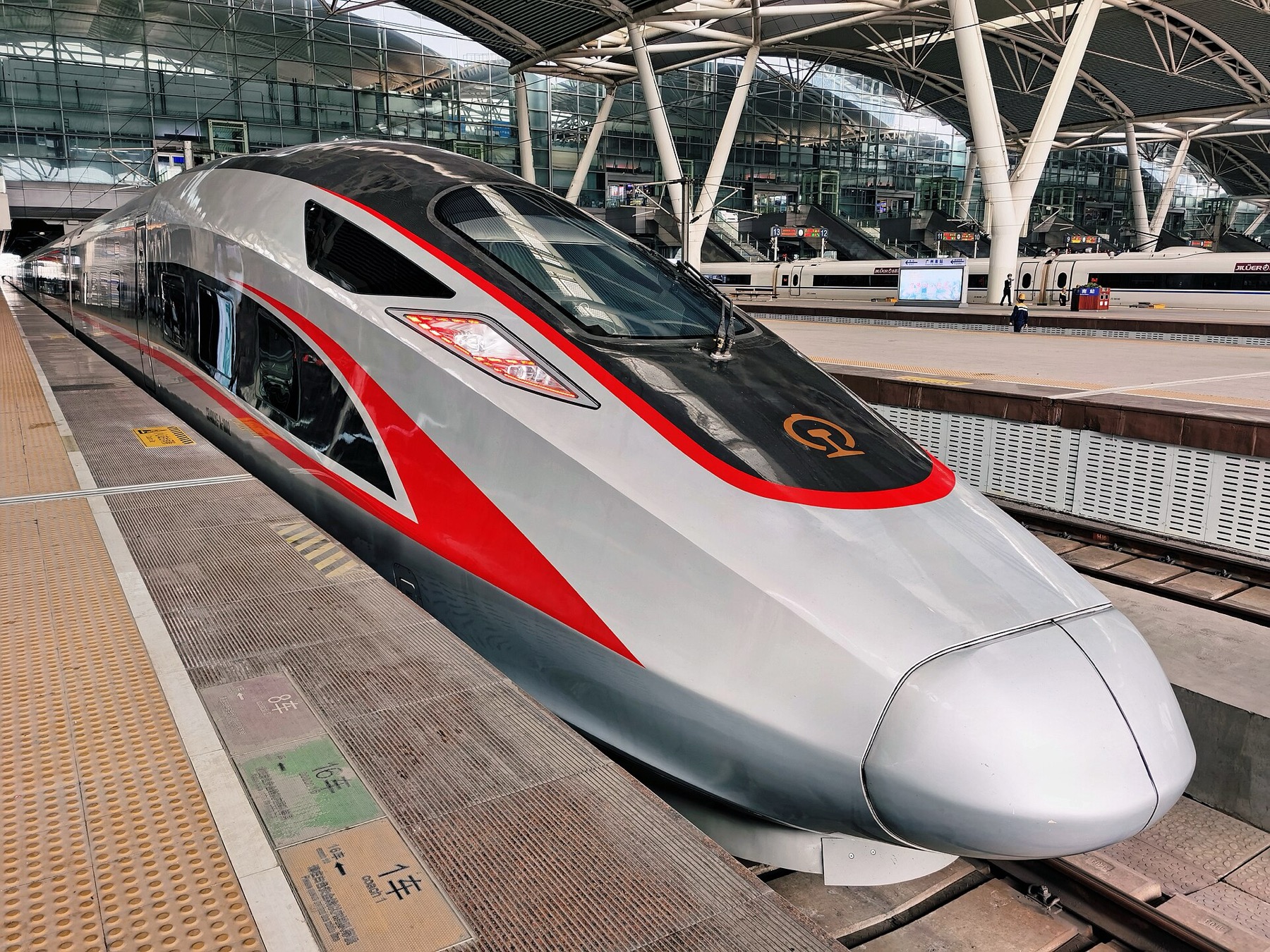
A high-speed train arrives with a long aerodynamic nose and departs with little drama. Inside, passengers unpack food, answer messages, sleep and watch farmland become dense urban edge. The extraordinary achievement of moving at high speed is absorbed into ordinary time.
For a visitor, the system can feel like a single national machine. In reality it is a network of lines, stations, train models, service levels and regional connections built across years. One smooth journey rests on vast coordination.
A network built at scale
A 2019 World Bank study examined more than 25,000 kilometers of dedicated high-speed line already operating at that time—then more than the rest of the world combined. Standardization, concentrated technical capacity, long-term planning and high passenger density helped construction proceed at unusual scale.
Those figures are historical, not a current network count. The system has continued to expand. Dates matter because infrastructure statistics become outdated quickly, while the analytical lesson remains: speed on the track depends on institutions off the train.
Stations rewrite the city edge
Large stations are transport devices and urban projects. Metro lines, taxis, hotels, offices and new residential districts gather around them. A station placed far from an old center may open land for development while making the final local journey longer. Connectivity is experienced door to door, not only platform to platform.
High-speed rail can strengthen major hubs and bring opportunity to smaller cities, but effects are uneven. Some places gain visitors and investment; others risk becoming corridors people pass through. Infrastructure changes possibility without determining one outcome.
The window teaches geography
Air travel removes much of the terrain between departure and arrival. Rail keeps a continuous, if accelerated, relationship with the ground. Tunnels, bridges, fields, apartment towers and mountains make regional difference visible. The traveler learns that “China” contains many landscapes connected rather than one abstract vastness.
Speed can also make looking difficult. Put the phone away for twenty minutes and follow water, roof materials or crops. The journey becomes a moving cross-section of settlement and land use.
Travel with the system, not against it
Book with the exact passport name, arrive early enough for security and identity checks, and confirm the station: many cities have several with similar directional names. Queue markings, carriage numbers and platform displays make boarding legible even when language is unfamiliar. Holiday periods require more preparation.
The cultural insight comes after logistics. High-speed rail changes which relationships can fit inside a weekend, which city feels near and how millions imagine national space. Distance does not disappear; it is reorganized.
Join the conversation
What did this make you notice?
Which distance in your own life would feel different if a reliable train cut it in half?