
The problem with a “typical Chinese breakfast”
Ask what people eat for breakfast in China and you may receive a list: congee, steamed buns, fried dough, soy milk, noodles, dumplings or pancakes. Every item may be real, but the list still misses the point. China’s food cultures are profoundly regional, and breakfast is shaped not only by province or city, but by neighborhood, generation, work schedule, season and personal habit.
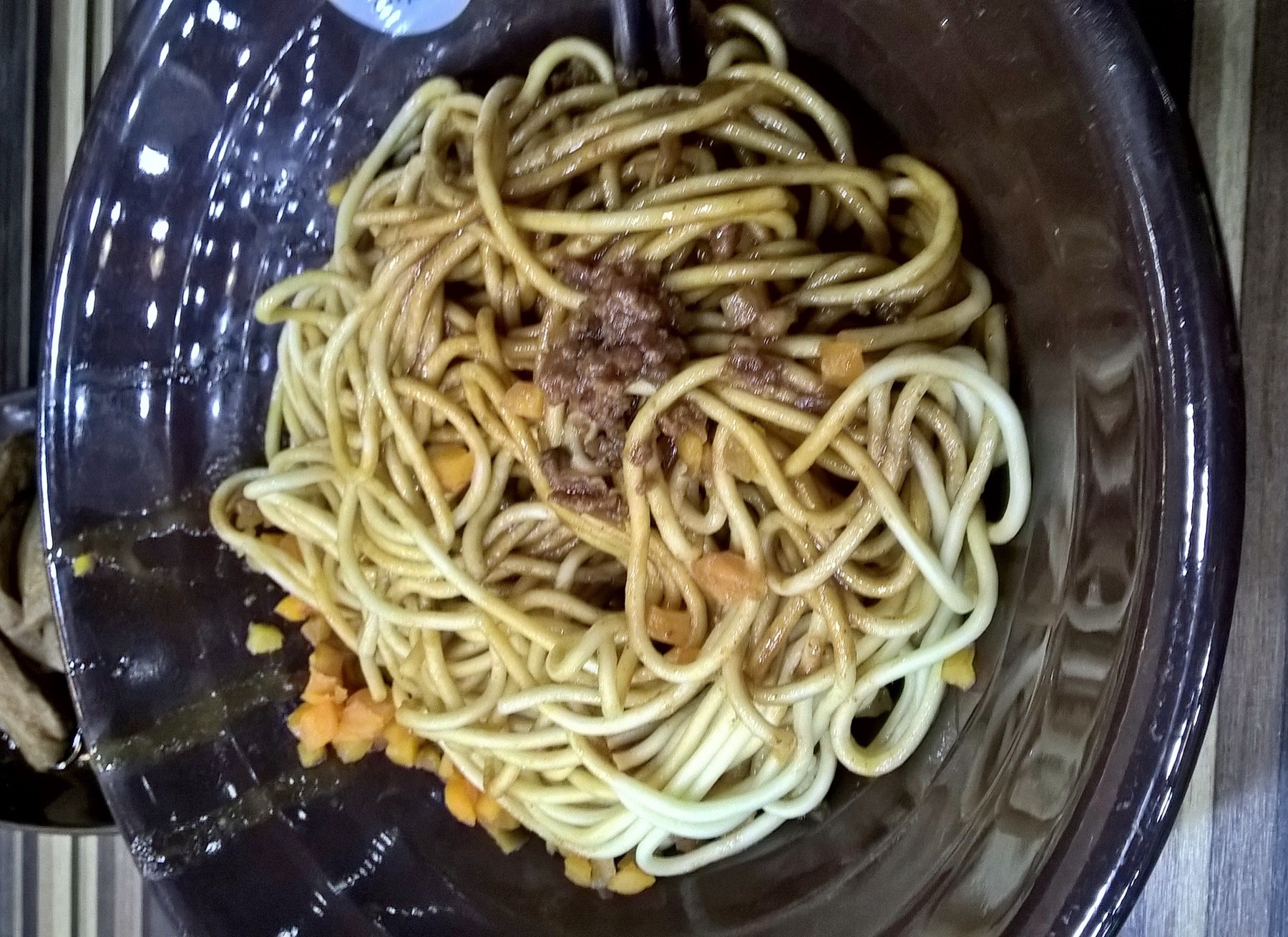
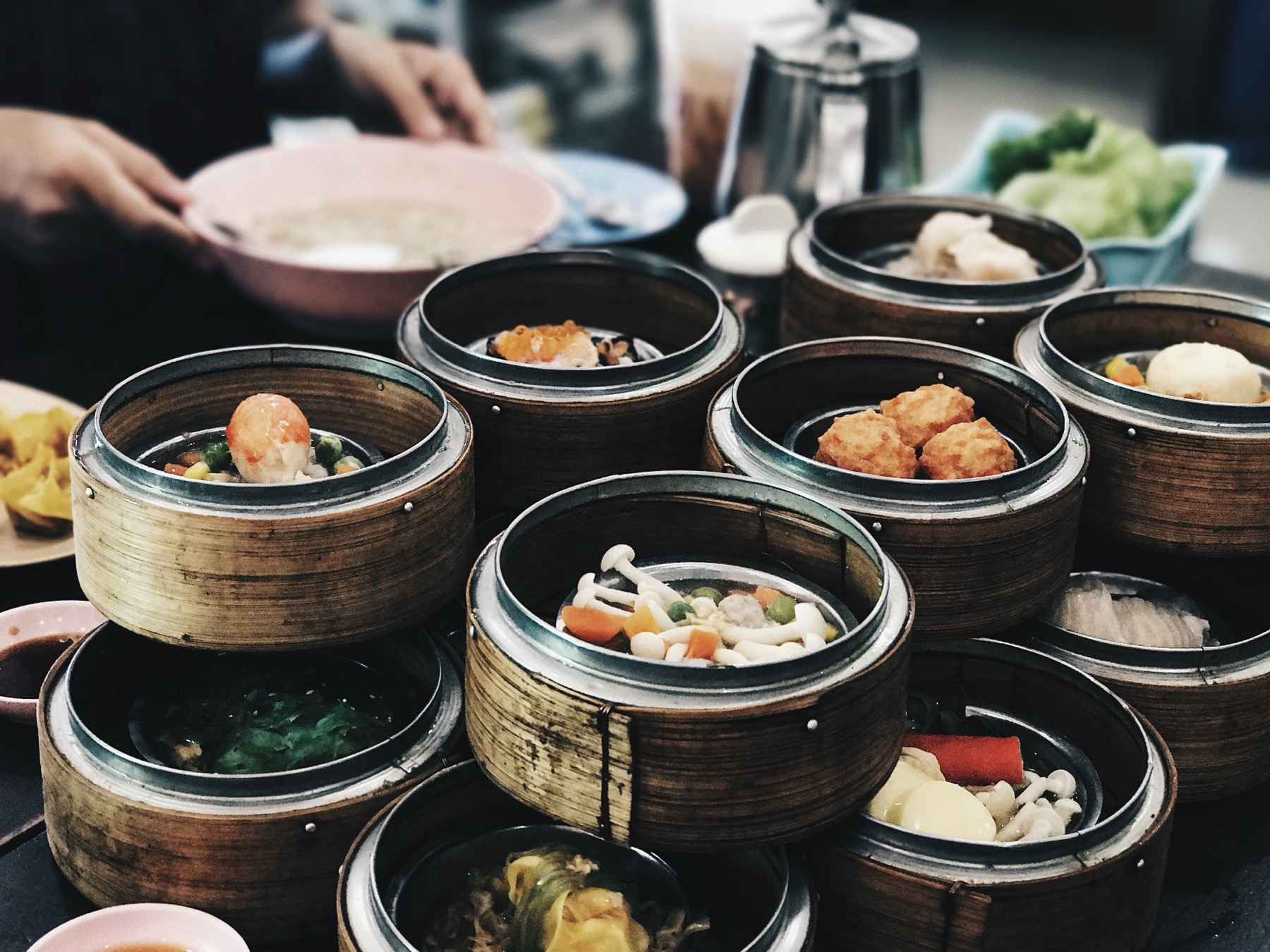
A bowl of hot dry noodles in Wuhan belongs to a different morning rhythm from dim sum in Guangzhou or a jianbing folded at a street stall in northern China. Even within one city, a hotel buffet, a school gate, a family kitchen and a convenience store tell different stories. The useful question is not “What do Chinese people eat?” but “Who is eating what, where, and on this particular morning?”
Follow the street, not only the dish
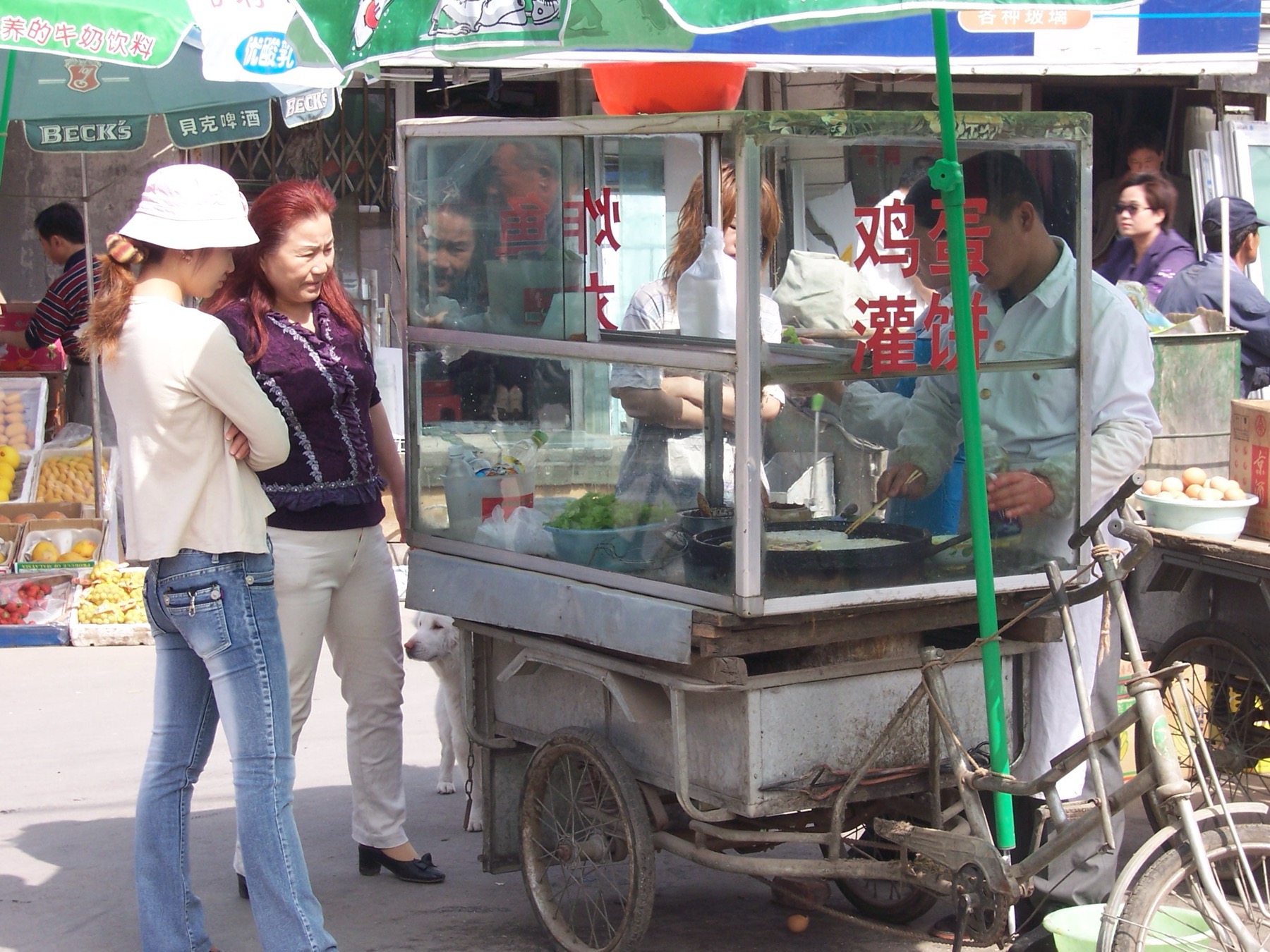
Breakfast often reveals how a city moves. A stall positioned near a transit stop serves time as much as food. The vendor knows which items can be prepared before the rush, which must be assembled to order, and how quickly a regular customer expects to leave. Steam, metal counters, plastic stools, bicycles and phone payments all become part of the scene.
Look beyond the finished plate. Who prepares the food, and how many gestures have become effortless through repetition? Do customers stand, sit or carry breakfast away? Which ingredients arrive from nearby, and which connect the city to a wider supply chain? A morning meal becomes a compact lesson in labor, infrastructure and neighborhood trust.
Taste carries geography
Regional difference is not a decorative fact added after the meal. Climate, agriculture, migration and trade shape which grains, cooking methods and flavors become familiar. Wheat-based breads and noodles are prominent in many northern food traditions, while rice appears in numerous southern forms, but even that broad contrast is only a starting map. Local cuisines cross, travel and change.
Breakfast also records contemporary life. Younger customers may alternate between a family habit, a delivery order, bakery coffee and a regional specialty. Vendors adapt formats and fillings; chains localize menus; old shops become destinations on social media. Change does not make a breakfast less authentic. It asks us to be precise about when, where and for whom a practice feels familiar.
Travel through one morning at a time
The photographs in this story offer three different viewing distances. At the Beijing stall, we can see the relationship between a person, a work surface and the food being prepared. In the bowl of Wuhan noodles, the frame moves close enough for texture to become the subject. At the dim sum table, several baskets share the space. Each view makes something available and leaves something out. Together they provide a better starting point than a single photograph labeled “Chinese breakfast.”
The street-stall image is also a record of a past morning. It should not be treated as a current directory entry or a promise that the same vendor still works at the same spot. This distinction matters when cultural reading becomes travel planning. A photograph can teach us to notice preparation and pace while practical details, such as a shop’s location and hours, need separate checking near the time of a visit. An archive and a recommendation serve different purposes.
What the table asks us to notice
The dim sum photograph suggests a meal organized around several small dishes rather than one self-contained plate. Research on Cantonese morning tea, published in the Journal of Ethnic Foods, describes yum cha as a cultural practice joining tea, food and social relationships. That gives us a way to understand the table beyond its visual abundance. The objects create opportunities to offer, choose, wait and share; the meal has a social form as well as a menu.
For a reader encountering these foods for the first time, unfamiliar names need not become a test. Begin with what you can describe: a wrapper, a filling, the contrast between a soft surface and a crisp edge, the way a sauce coats noodles. Then connect that observation to a name and a place. Asking what a dish is called becomes more memorable when it follows a real sensory question. The point is to leave with one encounter understood more clearly, rather than a long list of foods briefly recognized.
Begin with one place
When a menu is unfamiliar, a photograph and the name of a dish can be a better beginning than a broad request for something traditional. Ask how the food is prepared and whether its ingredients match what you can eat; appearance alone cannot answer that question. When a stall is busy, give the person serving space to work and save longer questions for a quieter moment. If you want a portrait or a close photograph of someone’s hands, ask first. These ordinary courtesies make curiosity reciprocal: the people creating your breakfast are hosts and workers with their own morning to manage, not scenery for a visitor’s discovery.
For a visitor, breakfast is an unusually gentle entry into everyday culture. There is less pressure for the meal to become an event. You can watch how ordering works, learn the name of one ingredient and notice what the people around you consider ordinary. A small mistake is usually less important than patience and respect.
Begin with a place, not a checklist. Return to the same stall twice. Ask what the vendor recommends. Notice how the street changes over thirty minutes. China becomes more legible through these particular encounters—not because one breakfast represents the country, but because each breakfast gives a place, a person and a routine the attention they deserve.
Join the conversation
What did this make you notice?
If you could spend one morning eating your way through a Chinese city, which city—or which kind of breakfast—would you choose?