
Art & Objects · Symbols
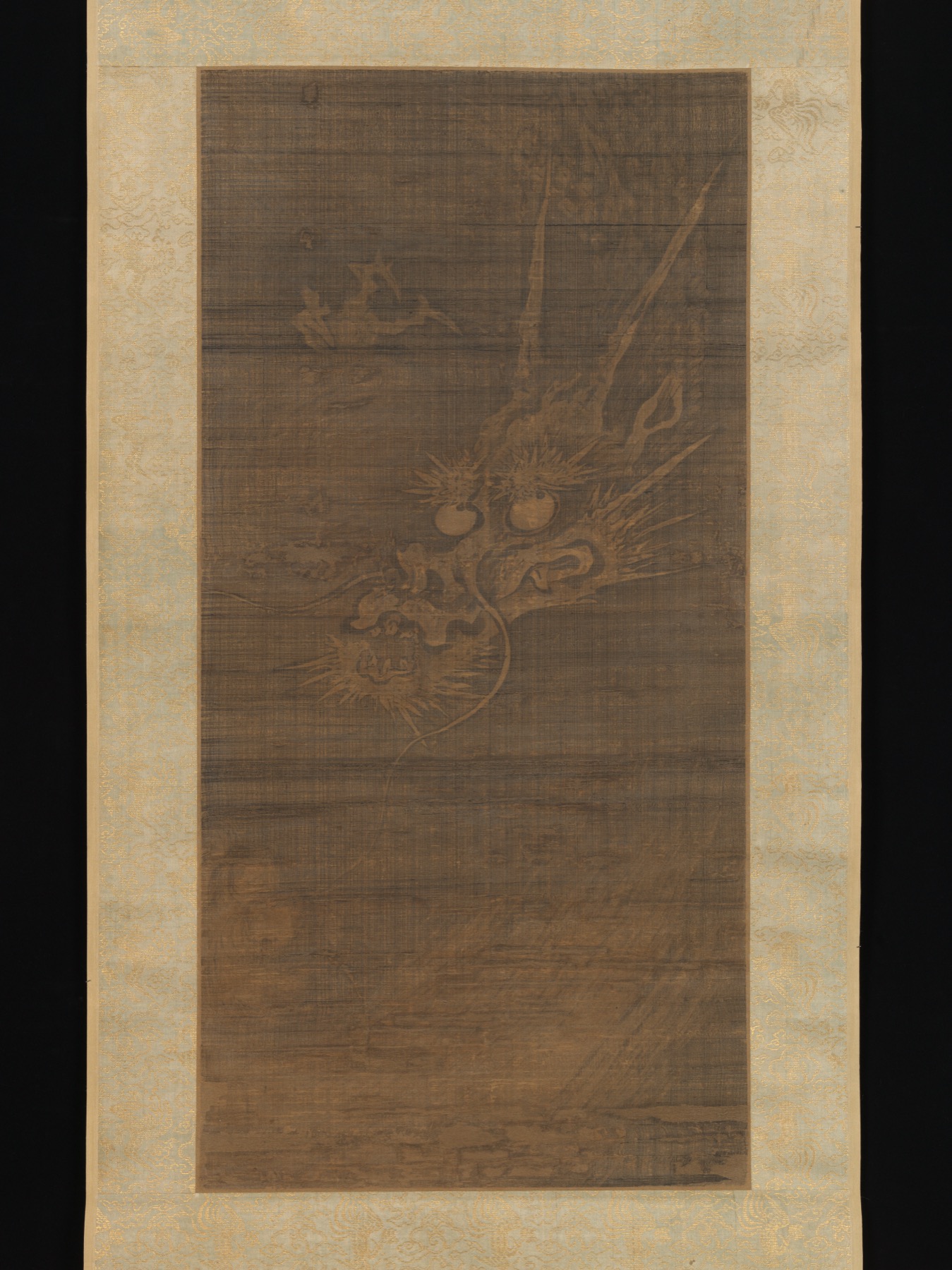
The Chinese dragon is not a Western dragon.
Follow the dragon through clouds, rain, imperial robes and everyday celebration, and a familiar symbol becomes far more complicated.
5 minute read
Read the story04 / Explore the journal
Begin with a real question. Find a clear path through the symbols, habits and systems that can make China feel unfamiliar.
01 / 3 stories
Understand the Chinese dragon, the zodiac and wuxing beyond their familiar shorthand.
Art & Objects · Symbols
Follow the dragon through clouds, rain, imperial robes and everyday celebration, and a familiar symbol becomes far more complicated.
5 minute read
Read the story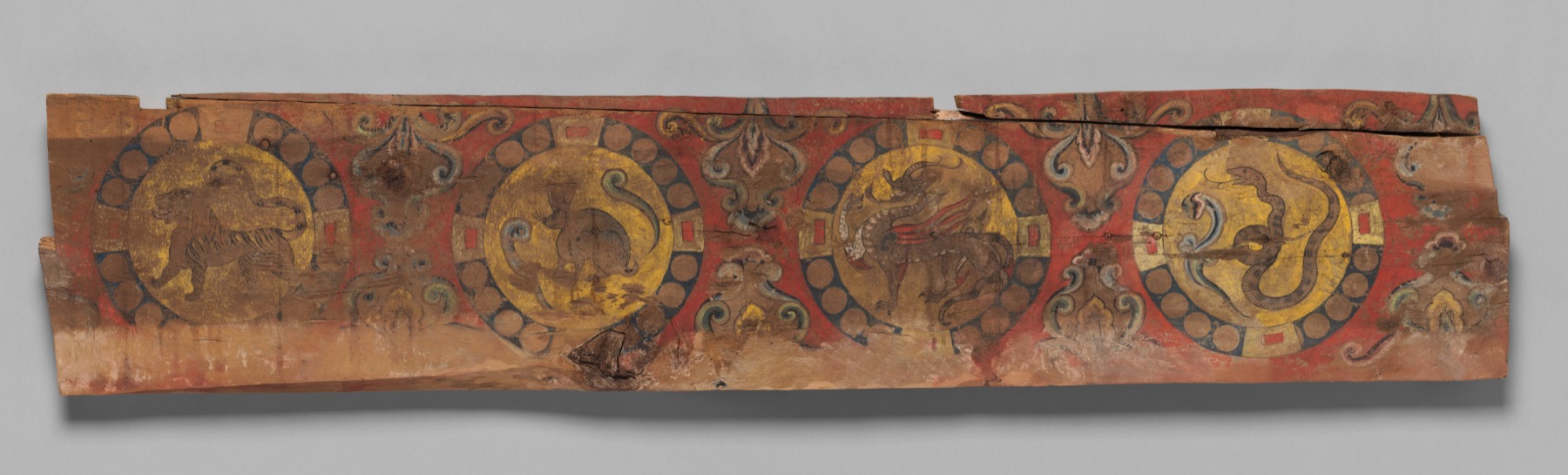
Rituals & Living · Time
Twelve animals make time memorable, but the complete system is a cycle of years, elements, stories and social expectations.
5 minute read
Read the story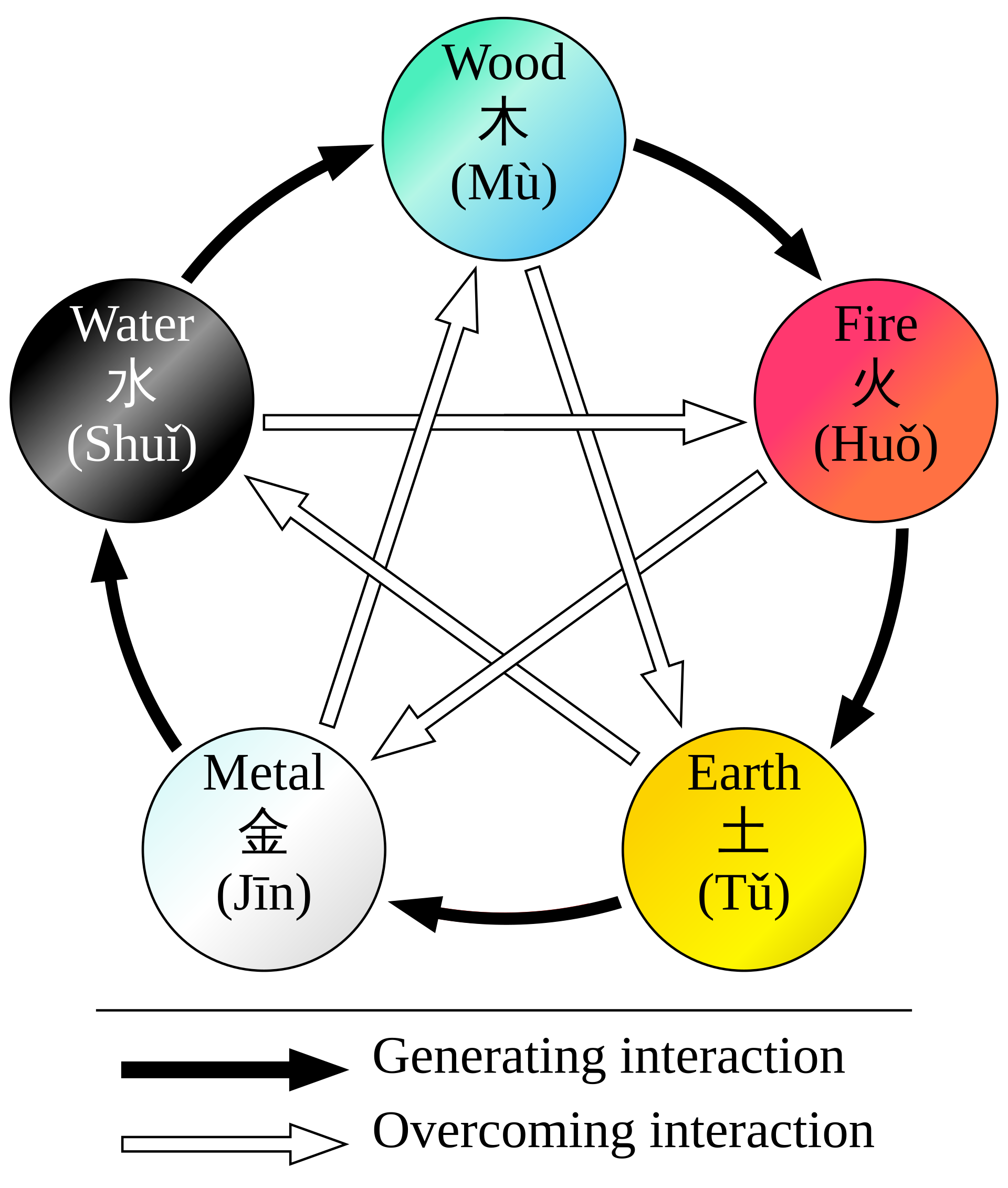
Rituals & Living · Ideas
Wood, fire, earth, metal and water make more sense as changing processes and relationships than as a Chinese list of substances.
4 minute read
Read the story02 / 1 stories
Start with an ordinary object or gesture and uncover the relationships it carries.
Rituals & Living · Food
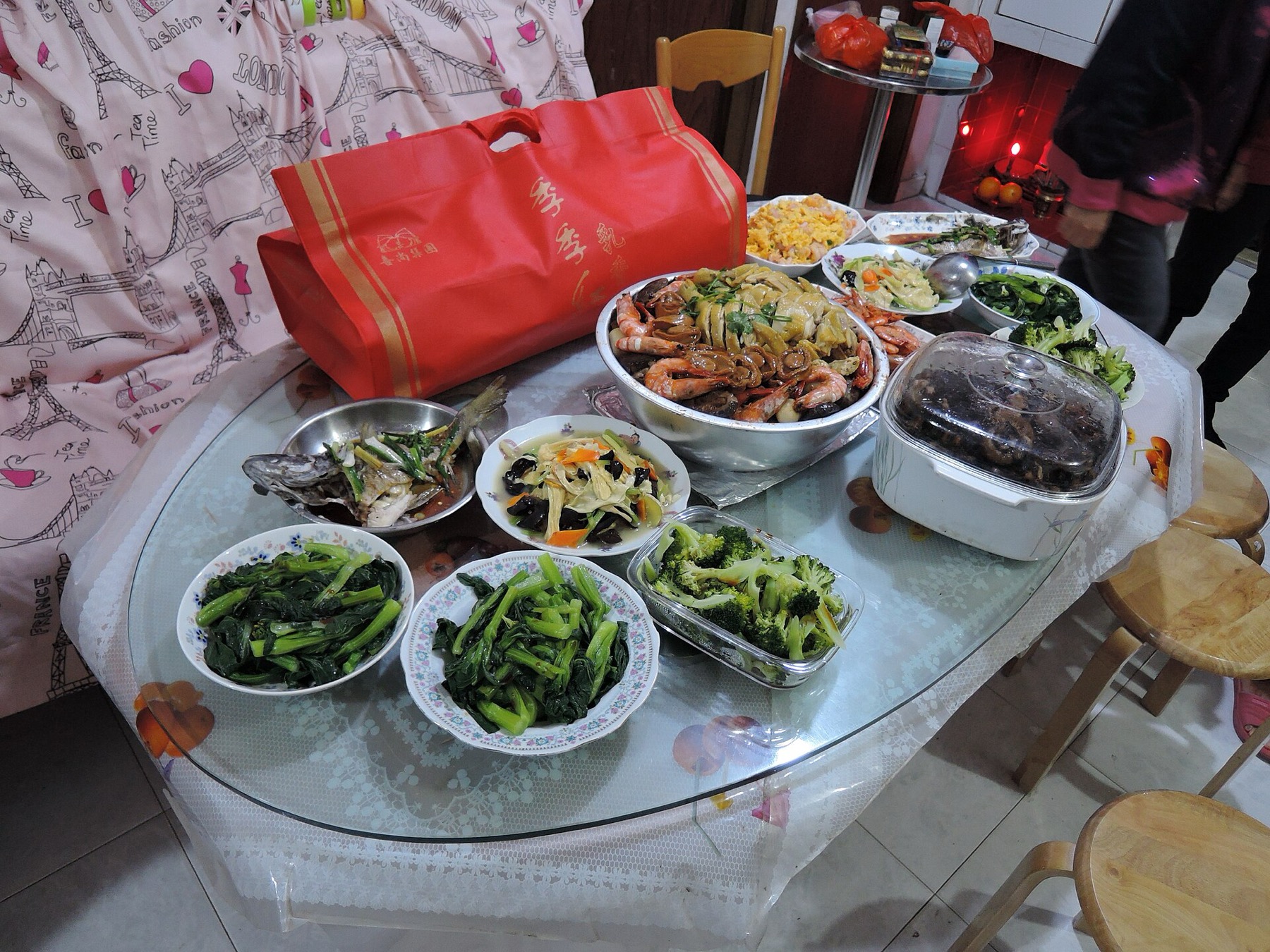
A round table and a rotating center turn dinner into an act of sharing, timing, attention and gentle negotiation.
4 minute read
Read the story03 / 2 stories
See how manufacturing networks and high-speed rail reshape distance, work and possibility.

People & Places · Technology & making
A new kind of visitor is arriving in China with questions about components, prototypes and speed. Shenzhen helps explain why innovation is not only an idea: it is also a place, a network and a physical process.
7 minute read
Read the story
People & Places · Infrastructure
The train is more than a speed record. It changes the mental map between cities, the rhythm of a journey and what a day can contain.
3 minute read
Read the story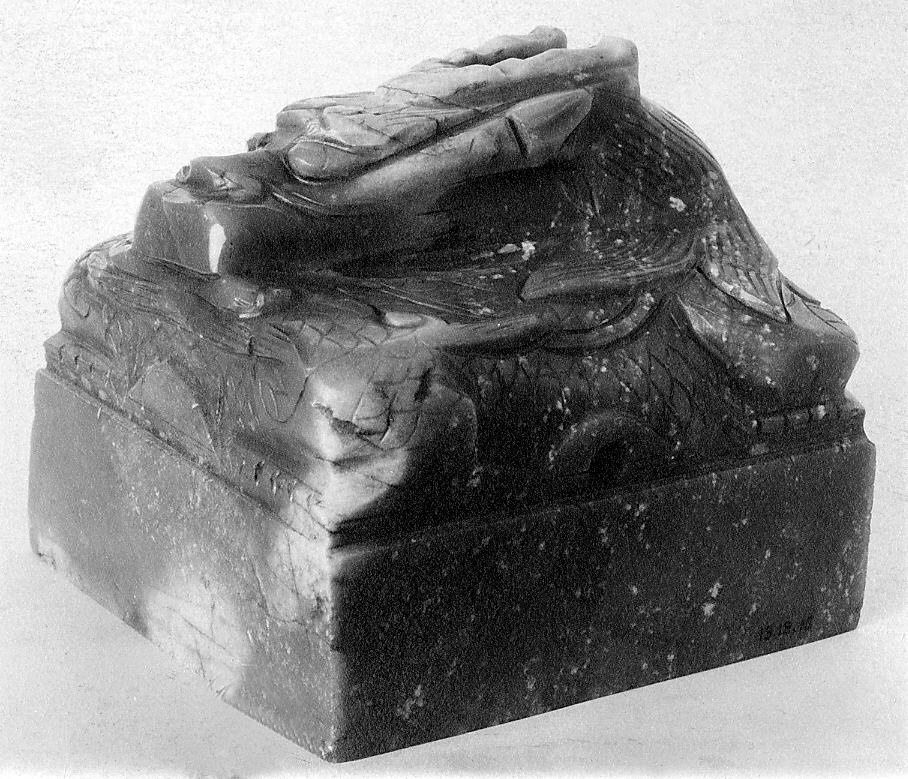
China Explained · Language & identity
In a Chinese name such as Zhang Xinyin, Zhang is normally the family name and Xinyin the given name. That order—family name before personal name—is the clearest starting point, but real lives quickly make it more complicated. People reverse their names in international settings, choose an English or Spanish name, join two syllables differently in romanization, or preserve an order that colleagues repeatedly misread. Respect begins with understanding the system and then asking the person.
6 minute read
Read the story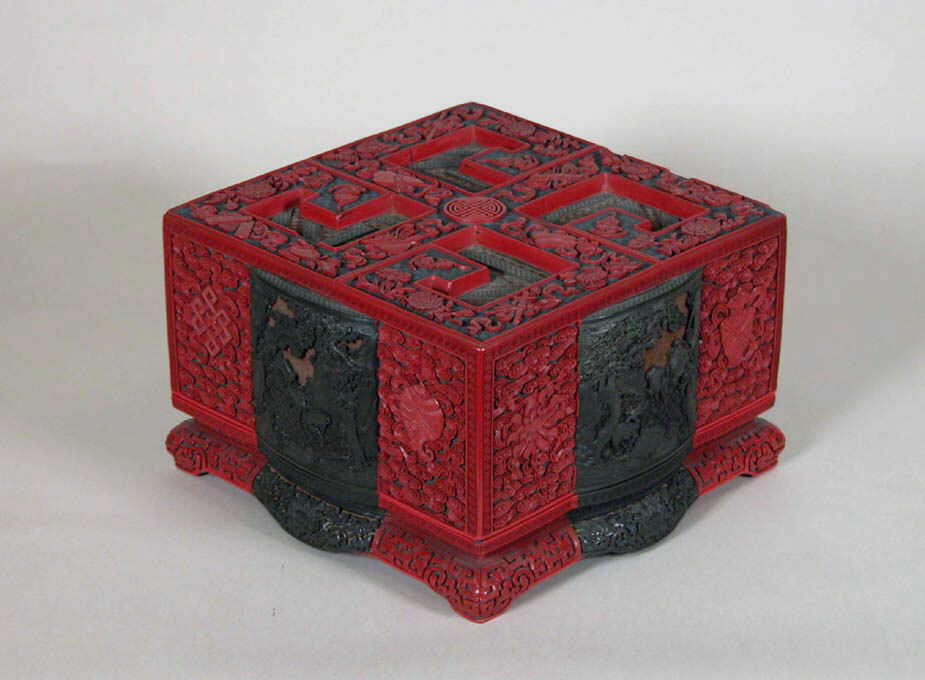
China Explained · Language & symbols
The short answer is linguistic. In Mandarin and especially in Cantonese associations, the sound of eight can suggest prospering or wealth, while four resembles the word for death. Those echoes help numbers acquire emotional and commercial value. But “eight good, four bad” is only the doorway. Pronunciation changes by language, belief varies by person, and context determines whether a preference becomes a joke, a price premium or no decision at all.
5 minute read
Read the story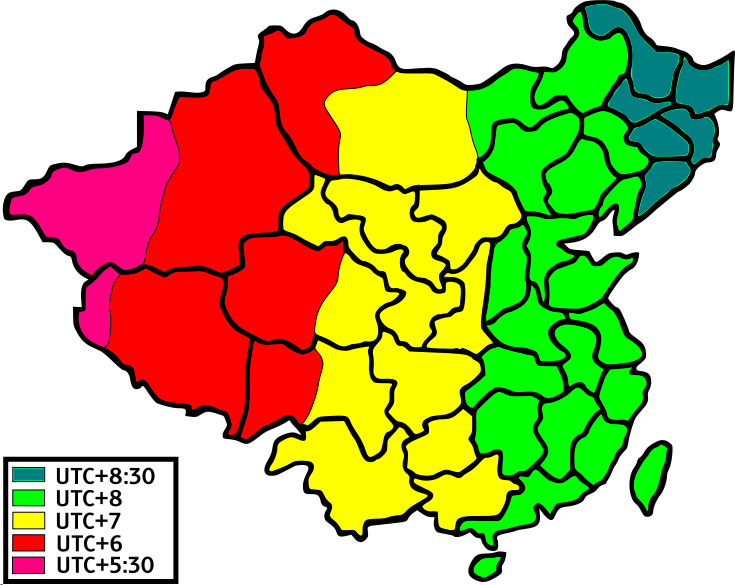
China Explained · Time & geography
At noon in Beijing, the sun is near the middle of its daily path. At the same clock time in Kashgar, thousands of kilometres west, morning light behaves very differently. China stretches across roughly sixty degrees of longitude—enough for about five idealized geographical time zones—yet the entire country officially uses UTC+8, commonly called Beijing Time. This is not a geographical accident. Clock time is a political and social system placed over solar time. China’s single zone makes nationwide schedules easier to coordinate, but it also produces striking differences between the clock and the sun. Understanding both sides is more useful than treating the arrangement as merely strange.
6 minute read
Read the story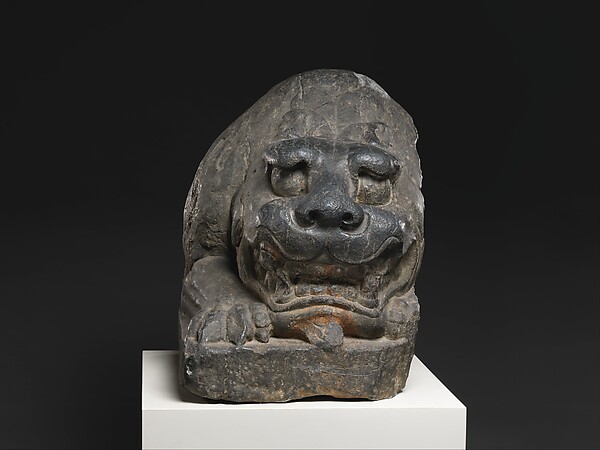
China Explained · Symbols & thresholds
Outside a palace, temple, bank or restaurant, two sculpted animals often face the street. Their curled manes, powerful paws and open mouths are unmistakable, yet English labels frequently call them “foo dogs.” They are not dogs. They are lions—shishi in Chinese—transformed through centuries of artistic imagination in a country where most makers had never seen a living African or Asian lion. Their pairing is equally misunderstood. One popular explanation says the male always rests a paw on a ball while the female restrains a cub, symbolizing dominion and nurture. That formula describes many later examples, but it is not a timeless rule for every lion pair in China.
6 minute read
Read the storyThe letter
Thoughtful stories and small discoveries from China, delivered in the language you love to read.
English / Español · Confirm by email