
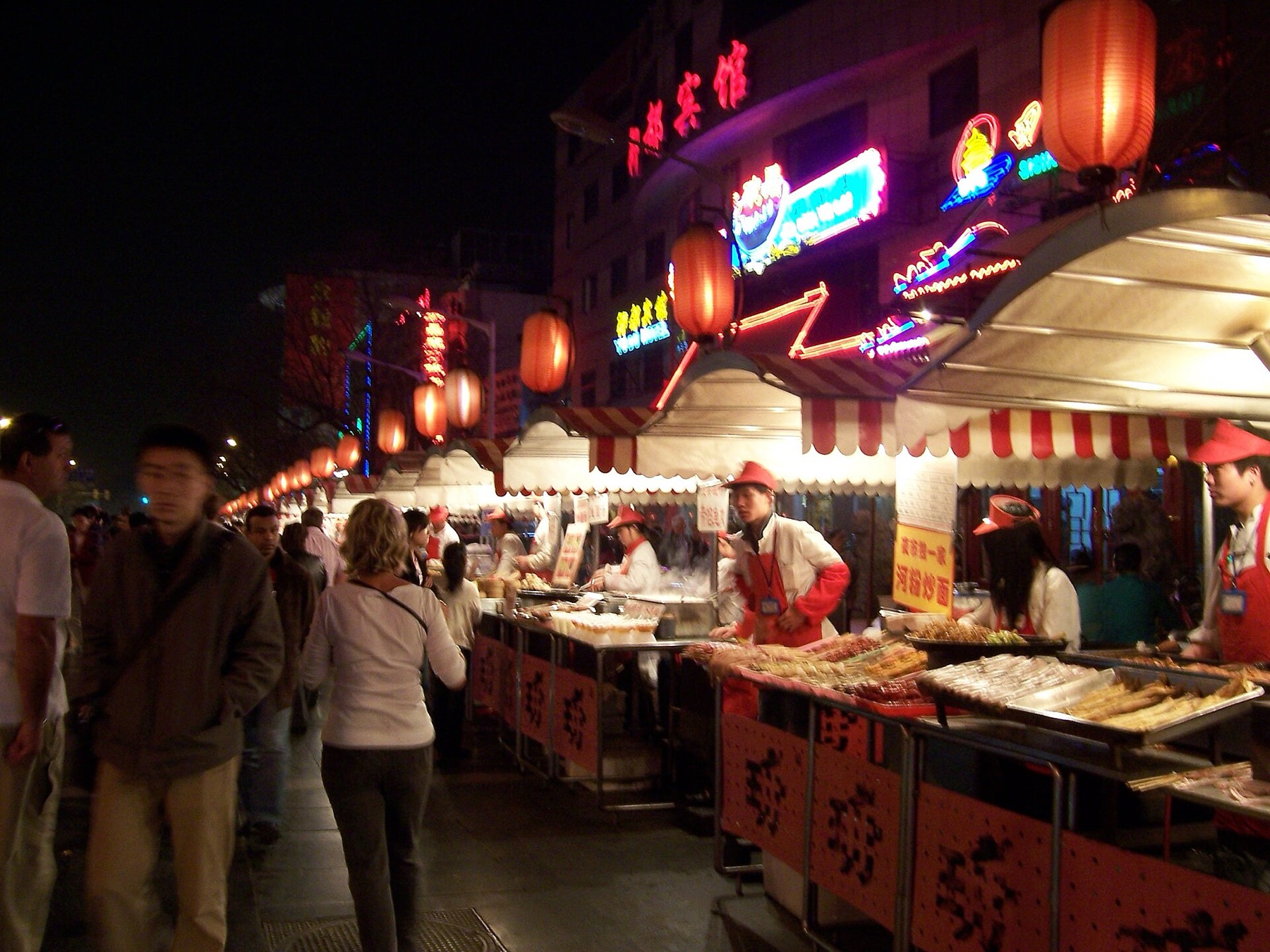
Night changes the street
A night market may appear when carts arrive, lights switch on and cooking equipment occupies a space used differently by day. Its architecture is temporary but precise: circulation, queues, smoke, stools and waste all need somewhere to go. Vendors construct a working street for a few hours, then partly erase it.
China contains many kinds of night market, from longstanding local food streets to planned tourism zones and seasonal clusters. One Beijing photograph cannot stand for Kaifeng, Xinjiang, Taiwan or every contemporary city.
Renao is social temperature
Renao is often translated as lively, bustling or literally “hot and noisy.” None fully captures its social value. A place can be desirable because people, sound, light and activity accumulate. The atmosphere signals participation: something is happening, and you may enter it.
Researchers studying night markets describe atmosphere as multisensory and relational. Renao is not simply decibels or crowd size. It emerges when bodies, vendors, smells, movement and expectation reinforce one another.
Street food is work
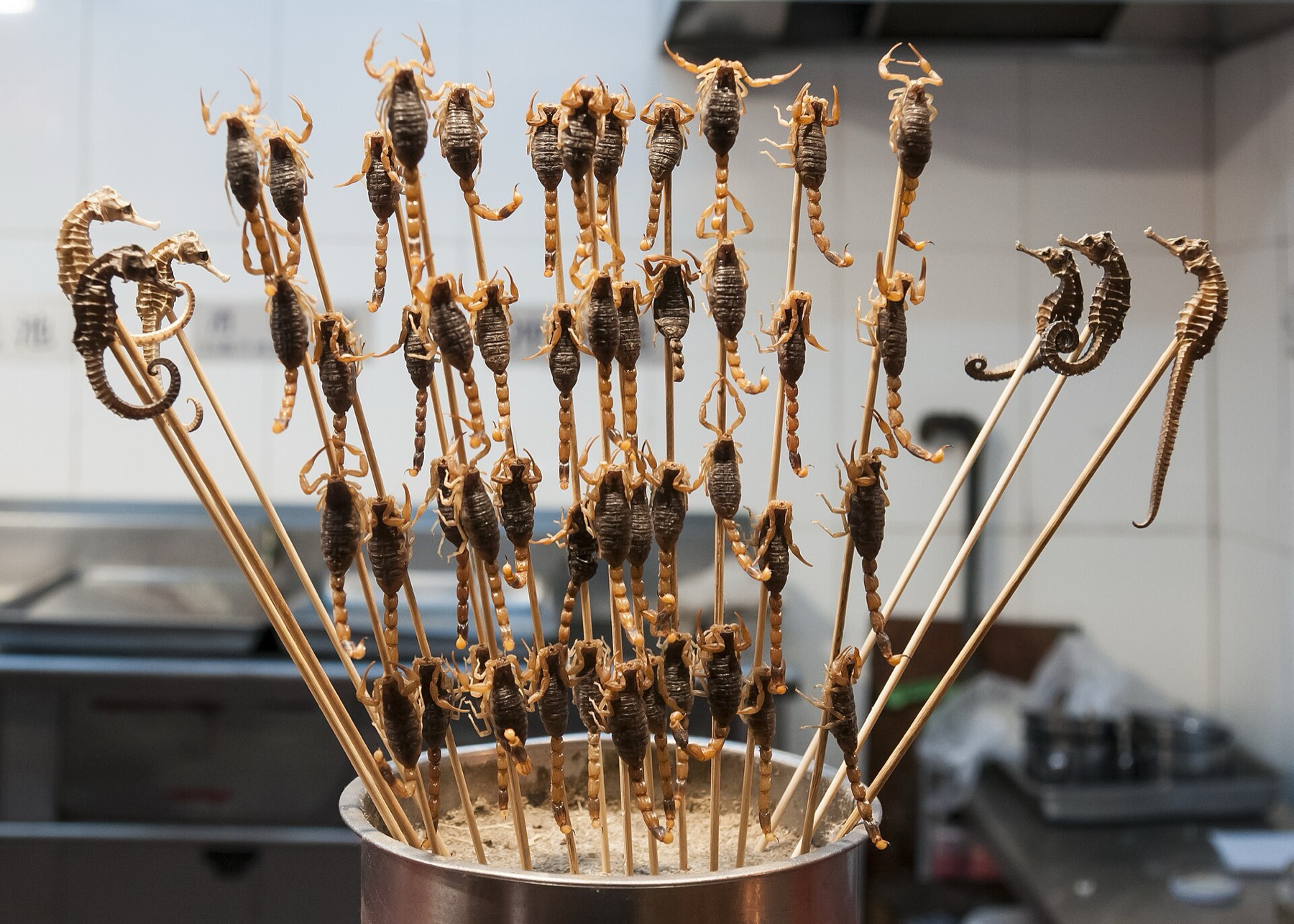
The glowing stall invites appetite, but every skewer or bowl depends on preparation, transport, fuel, repetition and speed. Vendors manage uncertain weather, changing regulation and a narrow window of demand. Their performance is visible because the kitchen faces the customer.
Avoid turning unfamiliar ingredients into an “extreme food” spectacle. Ask what a vendor specializes in, observe what local customers order and remember that permission matters before photographing faces or close working gestures.
Old tradition, changing governance
Historical Chinese cities regulated curfews and markets in different ways; some commercial night life flourished when restrictions loosened. Modern night markets likewise sit between informality and planning. Cities may promote them for consumption and tourism while also controlling noise, hygiene, fire and traffic.
A market can feel spontaneous while depending on permits, cleaning crews and designated pitches. The boundary between authentic and planned is less useful than asking whose livelihoods and pleasures the arrangement supports.
Taste one place specifically
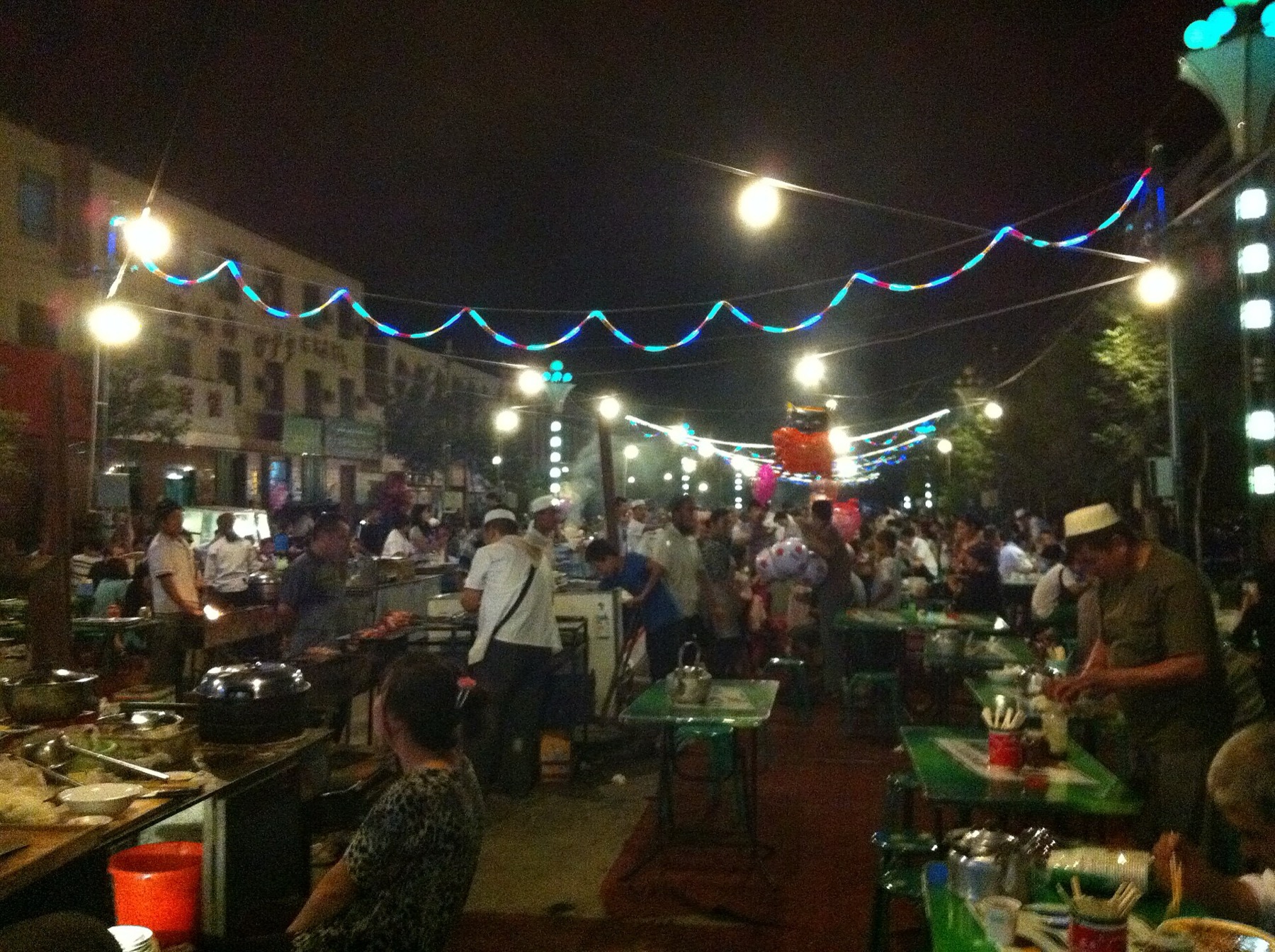
Choose a stall with visible turnover and a manageable queue. Ask about spice and allergens, carry small payment options, dispose of waste carefully and step aside after receiving food. These practical actions let the market keep moving.
Then notice what cannot be taken home: the timing of a call, heat against night air, strangers sharing a ledge and the brief community of a queue. A night market sells food, but its most distinctive product may be temporary public life.
Join the conversation
What did this make you notice?
Which sound, smell or movement makes a public place feel alive to you?