
What the wall holds
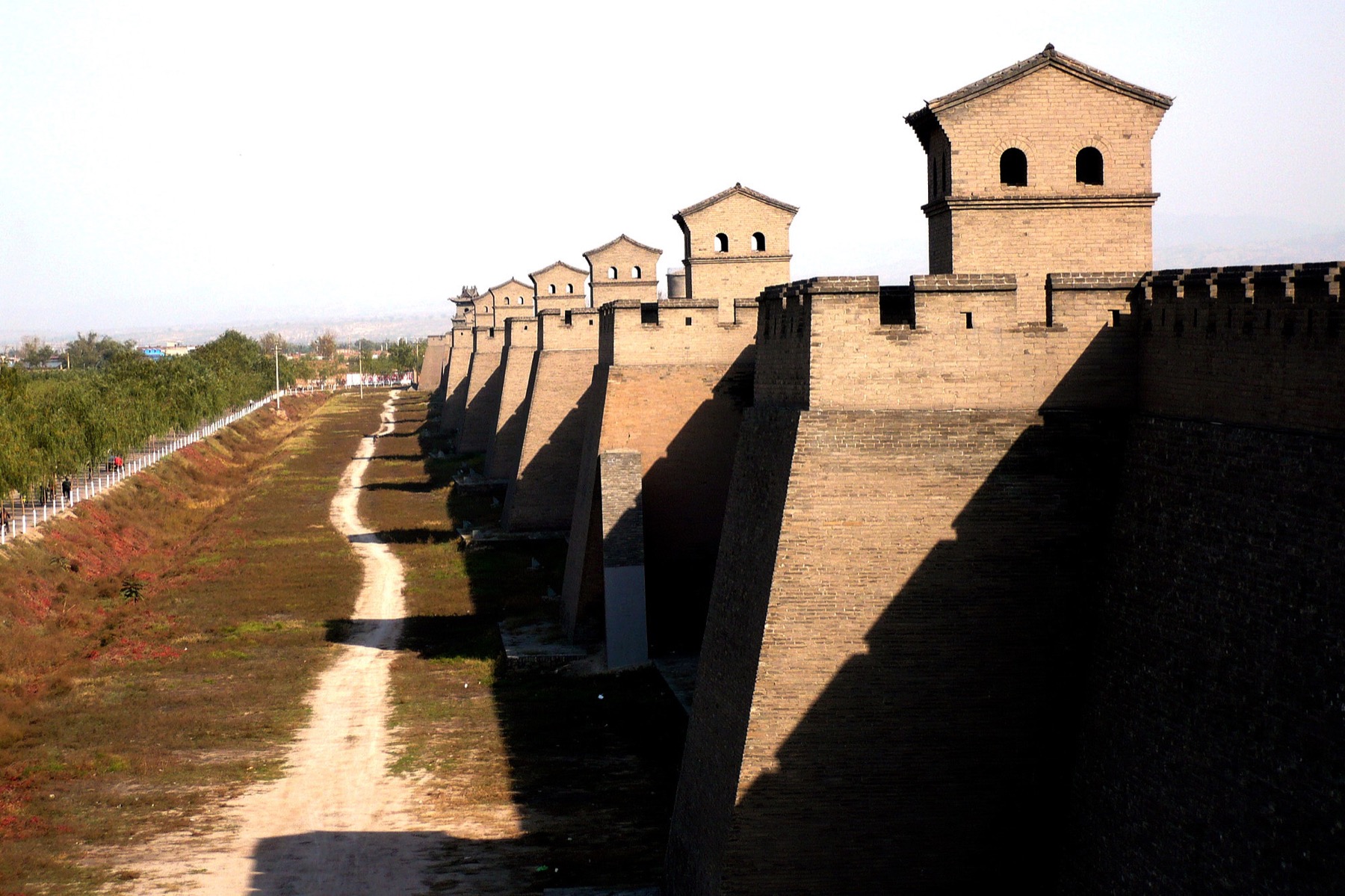
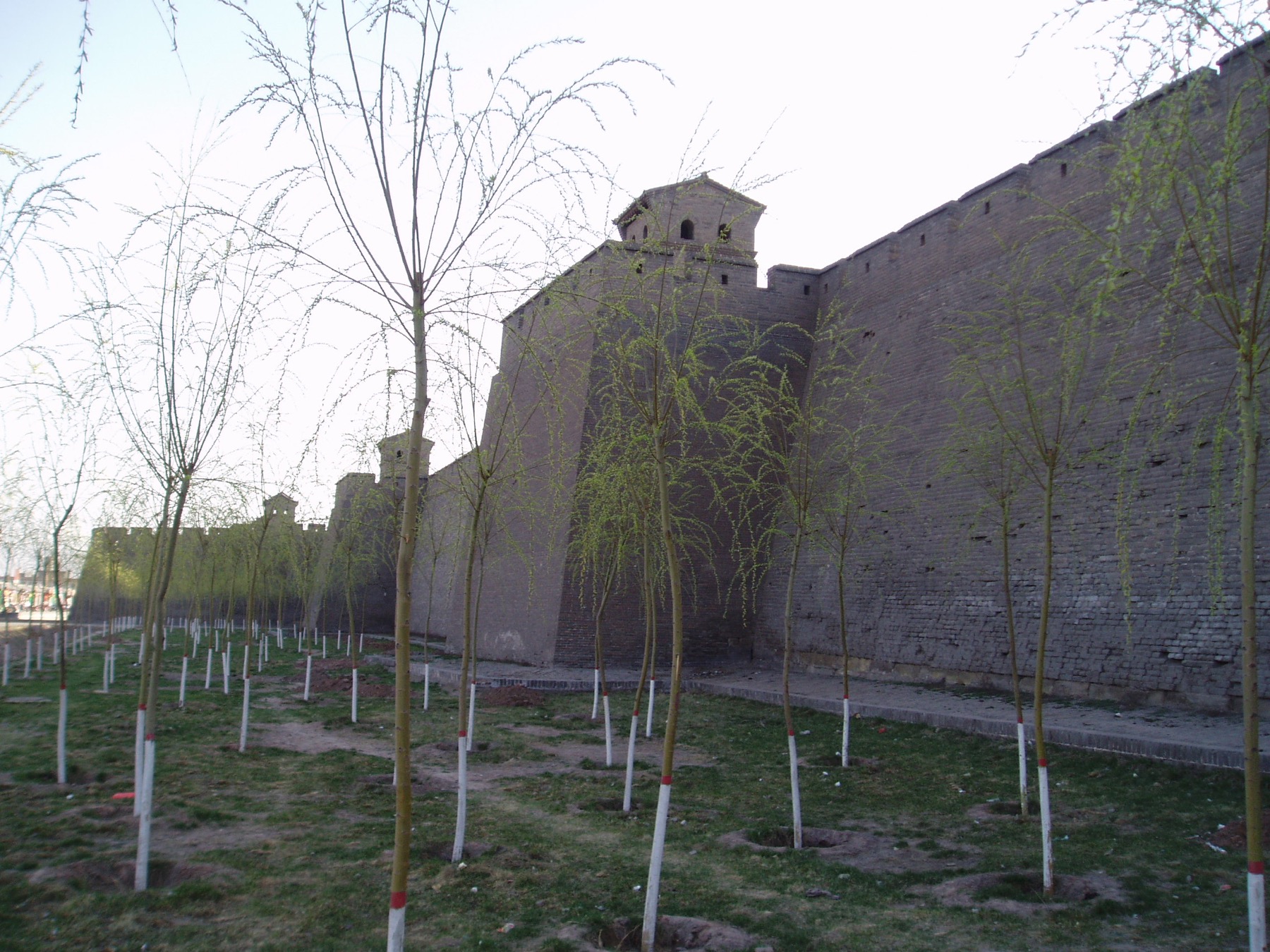
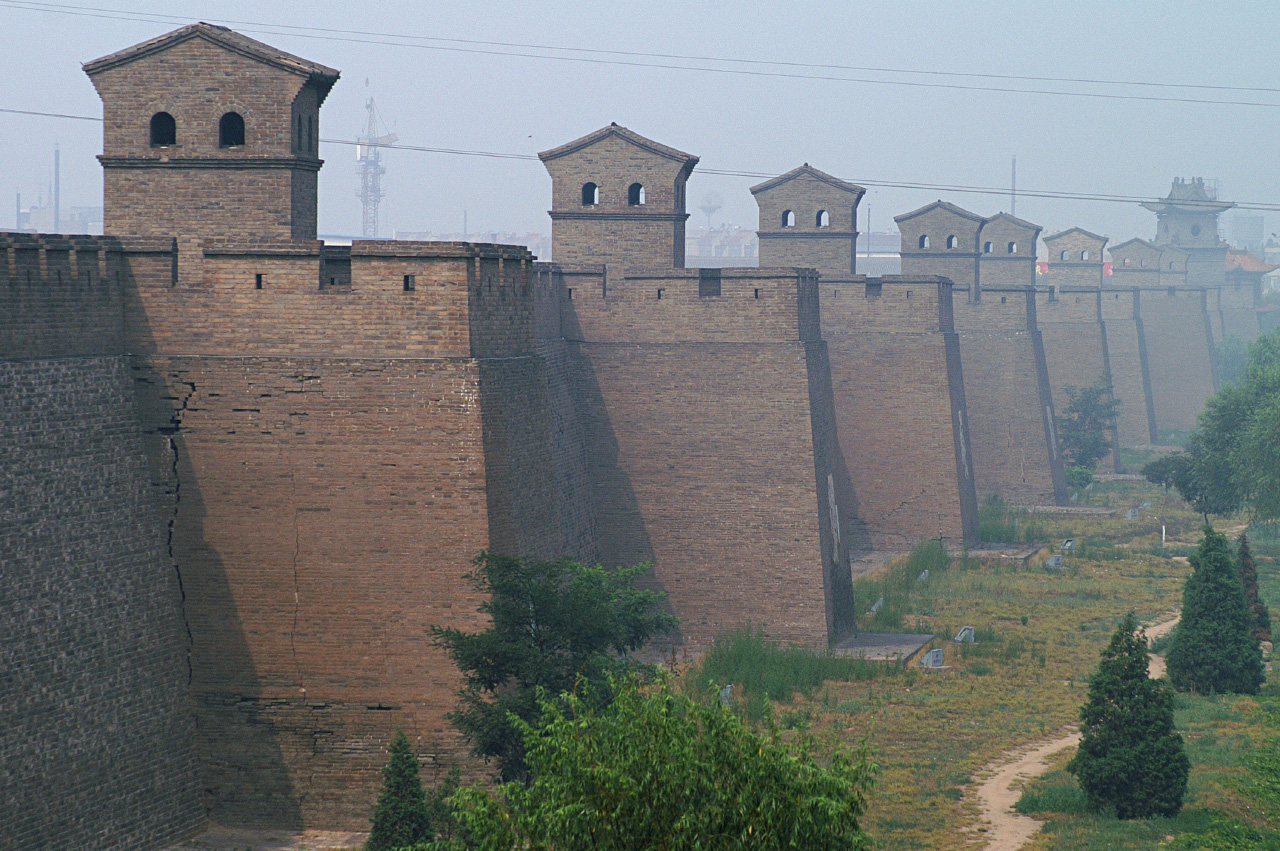
The present city plan took shape after walls were rebuilt in masonry in the fourteenth century. Gates, watchtowers and crenellations established defence, but the wall also made the city conceptually whole. Inside, streets connected administration, commerce, religion and residence.
UNESCO’s World Heritage listing includes the walled city as well as the nearby Shuanglin and Zhenguo temples. Its description emphasizes an exceptionally complete county-level urban ensemble: streets and lanes, shops, dwellings and temples. That completeness matters more than any isolated photogenic façade.
Walking allows the relationships to appear. A grand axis may suddenly feed a modest alley. Public storefronts face the street while domestic life withdraws through successive thresholds. The city is not a collection of monuments placed side by side; it is a system of proximity.
Courtyards as social diagrams
Traditional compounds arrange rooms around open courts. The courtyard brings light and air inward while limiting exposure to the street. Position can express hierarchy: main rooms, side rooms, service spaces and later expansions reveal household structure, though use changed across period and class.
It is easy to romanticize the courtyard as timeless harmony. In practice, these were working environments shaped by wealth, gender, labour, climate and family negotiation. Some were spacious merchant homes; many others were denser. Today they may be residences, guesthouses, museums or shops.
The value of the form lies partly in its sequence. Entering is gradual. One does not see the whole household from the door. Architecture edits attention through screens, turns and framed sky.
When Shanxi merchants moved money
Pingyao became a major financial centre in the nineteenth and early twentieth centuries. Merchant networks from Shanxi had long traded across vast distances. Institutions known as piaohao developed remittance services that allowed value to move without transporting the same quantity of silver along dangerous routes.
Rishengchang is commonly presented as China’s first draft bank. Its surviving premises make finance spatial: counters, account rooms, courtyards and secure areas. Yet one building should not become a simplistic origin myth. The rise of Shanxi finance depended on trust networks, accounting, staff discipline, branch connections and the broader Qing economy.
For a foreign visitor, this can change the city’s image. Pingyao is not merely “old China” preserved behind walls. It is also a place where people solved a recognizably modern problem: how to transfer money and confidence across distance.
Preservation has a present tense
World Heritage status brings recognition, visitors and resources, but also pressure. Tourism can support restoration while raising rents, reshaping businesses and rewarding a narrow visual idea of authenticity. New signage may imitate an imagined past; everyday services may give way to souvenir commerce.
This tension is not unique to China. Every heritage city must decide what is being preserved: material fabric, resident community, economic use, atmosphere or some negotiated combination. A wall can protect buildings without automatically protecting ways of life.
Responsible looking therefore includes what does not fit the postcard. Notice repairs, delivery vehicles, school routes and houses still occupied. Ask which spaces are interpreted as museums and which continue to serve residents. Preservation is not the absence of change; it is a political and practical way of managing change.
A route for the attentive visitor
Begin with the wall for orientation, then leave the busiest commercial axis. Walk one complete lane slowly. Visit a former financial institution, but also a temple or courtyard that changes the scale of the story. At Shuanglin Temple, painted sculptures connect the urban visit to a much longer religious and artistic history.
Most importantly, resist calling everything “ancient.” Ask for the dynasty, the repair, the former use and the present use. Pingyao becomes richer when its surfaces stop being one undifferentiated past.
Reading the city after dark
Evening changes Pingyao’s scale. Day-trip groups thin, shop signs glow and the wall becomes a dark edge rather than a viewing platform. This atmosphere can feel more “authentic,” but authenticity is not a time of day. Decorative lighting, reconstructed façades and hospitality businesses are also part of the contemporary heritage economy.
Instead of searching for a moment when tourism disappears, watch how residents and visitors share space. Who closes a shop, who takes out rubbish, who sits at a doorway, and which courtyards become hotels? The observation turns a picturesque visit into a question about urban continuity. If only façades survive while residential life leaves, the city remains visually impressive but socially transformed. Pingyao invites a slower kind of travel: not pretending the present is absent, but seeing how it negotiates with inherited space every day.
Join the conversation
What did this make you notice?
Should a heritage city prioritize historical appearance, the lives of current residents, or can it genuinely protect both?