
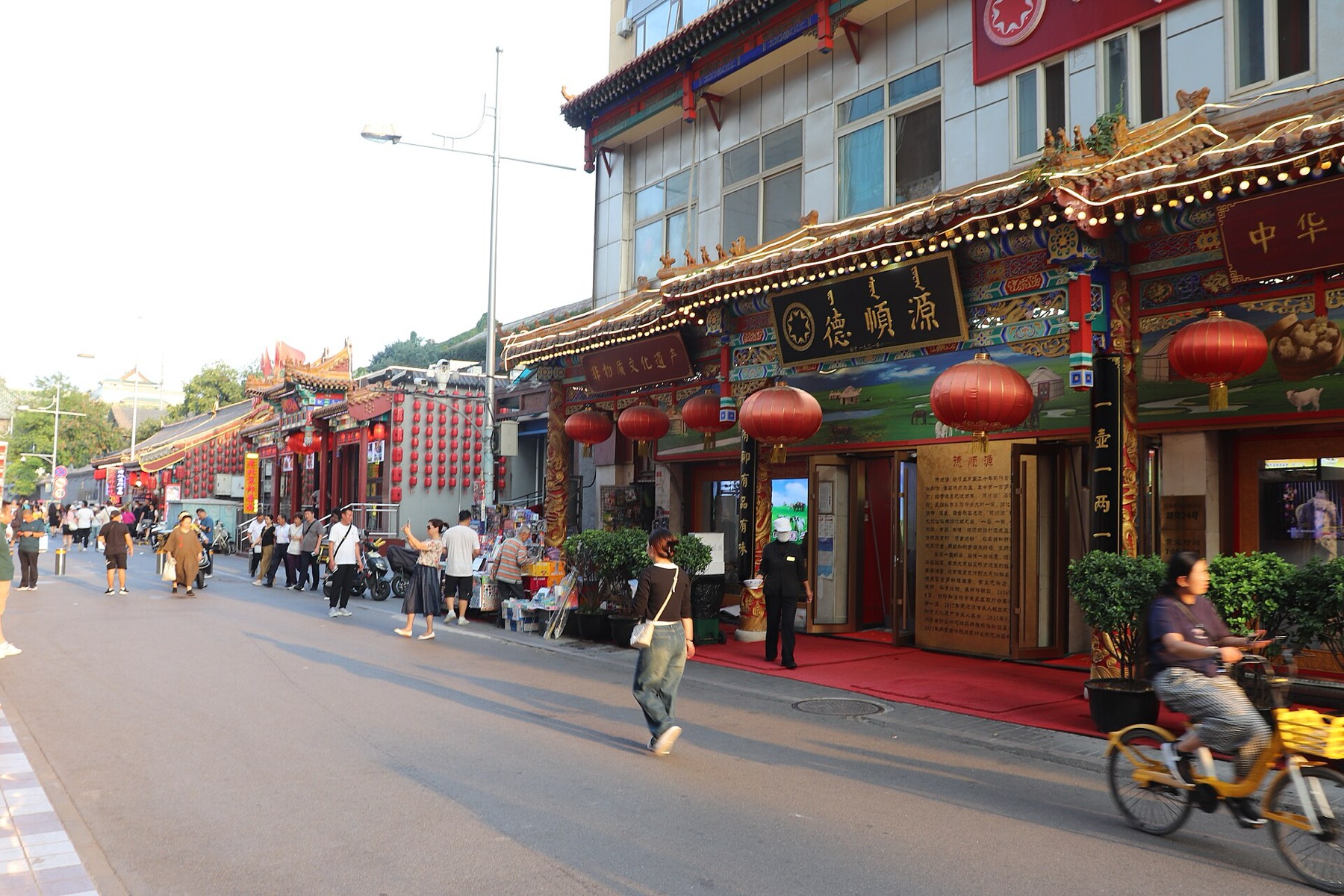
An alley is not a house
Hutong refers to the narrow lanes associated especially with northern Chinese cities and Beijing. Rows of courtyard houses, or siheyuan, form their edges. In casual travel language, hutong can mean the whole neighborhood, but distinguishing alley, courtyard and district helps us read how private and public spaces meet.
Many lanes took shape within the planned grid of the Yuan capital and evolved through Ming, Qing, Republican and contemporary Beijing. Their current appearance is layered, not frozen in one dynasty.
The courtyard changed with its residents
The ideal siheyuan organizes buildings around an internal court, often along a north-south hierarchy. Real residential history complicated that order. Large compounds were subdivided, additional kitchens and rooms filled courtyards, and multiple households shared limited facilities. Adaptation made historic form support modern pressures, sometimes at the cost of light, sanitation and privacy.
Calling every altered courtyard “ruined” dismisses residents’ ingenuity. Calling every hutong picturesque ignores difficult living conditions. Both architecture and lived experience deserve attention.
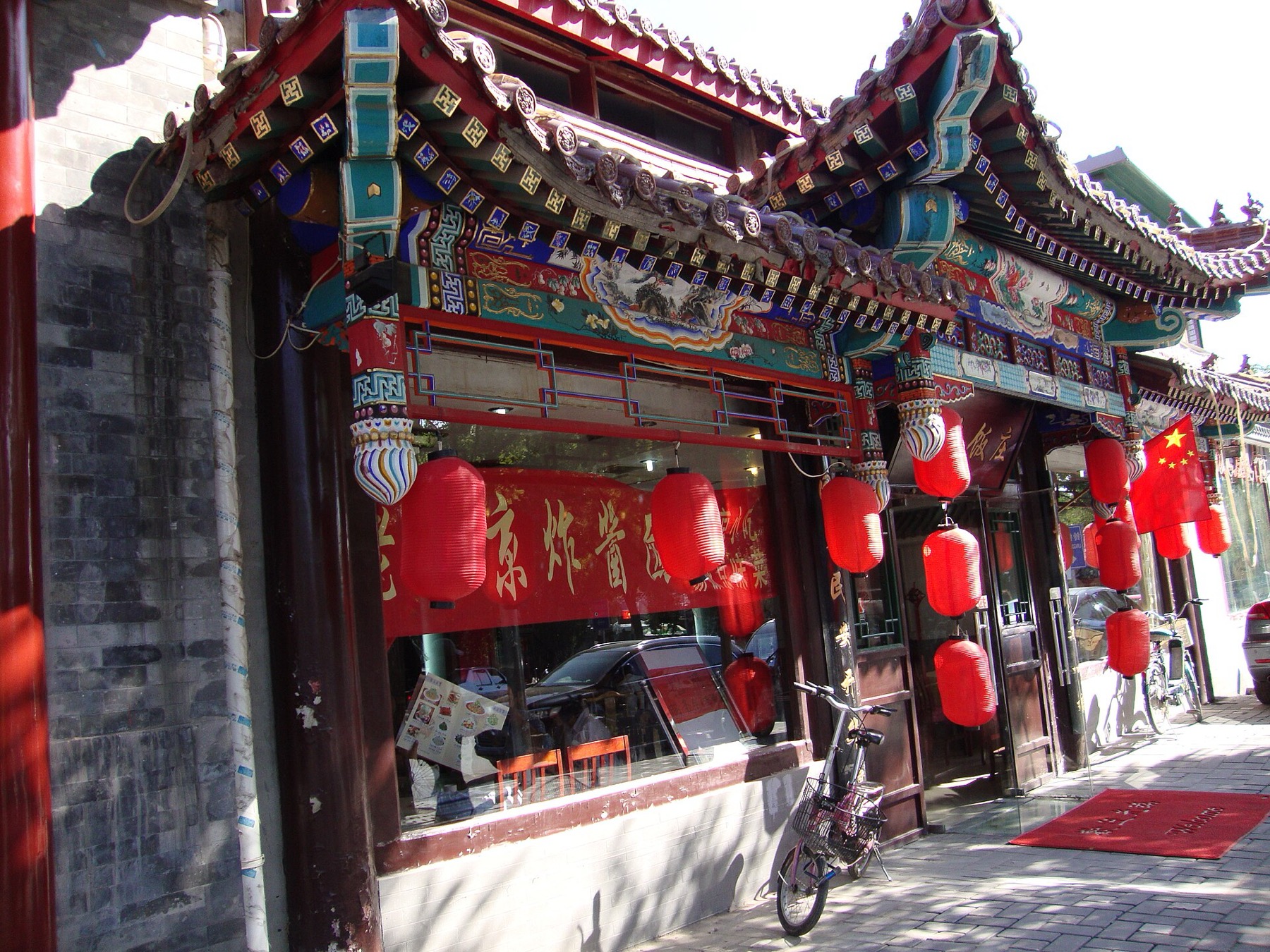
Neighborhood happens at the threshold
A narrow lane increases repeated encounters. Bicycles, deliveries, trees, shop counters, doorways and seats negotiate the same limited width. Residents recognize routines and changes. The hutong’s social life is not guaranteed by its form, but architecture creates many thresholds where private activity becomes briefly visible to neighbors.
Visitors enter that space as guests. A doorway is not an invitation to photograph a home, and an elderly resident is not heritage scenery. Public lanes remain attached to private lives.
Preservation asks: for whom?
Twentieth- and twenty-first-century redevelopment removed many hutong areas for roads, public buildings and new housing. Protection later recognized the value of surviving urban fabric. Yet renovation can also raise rents, replace local services with cafés and turn living neighborhoods into curated consumption zones.
A preserved façade is not enough if the community that gave it meaning cannot remain. At the same time, residents deserve heating, plumbing, safety and accessible housing. The real question is how conservation and improvement can occur without treating people as obstacles.
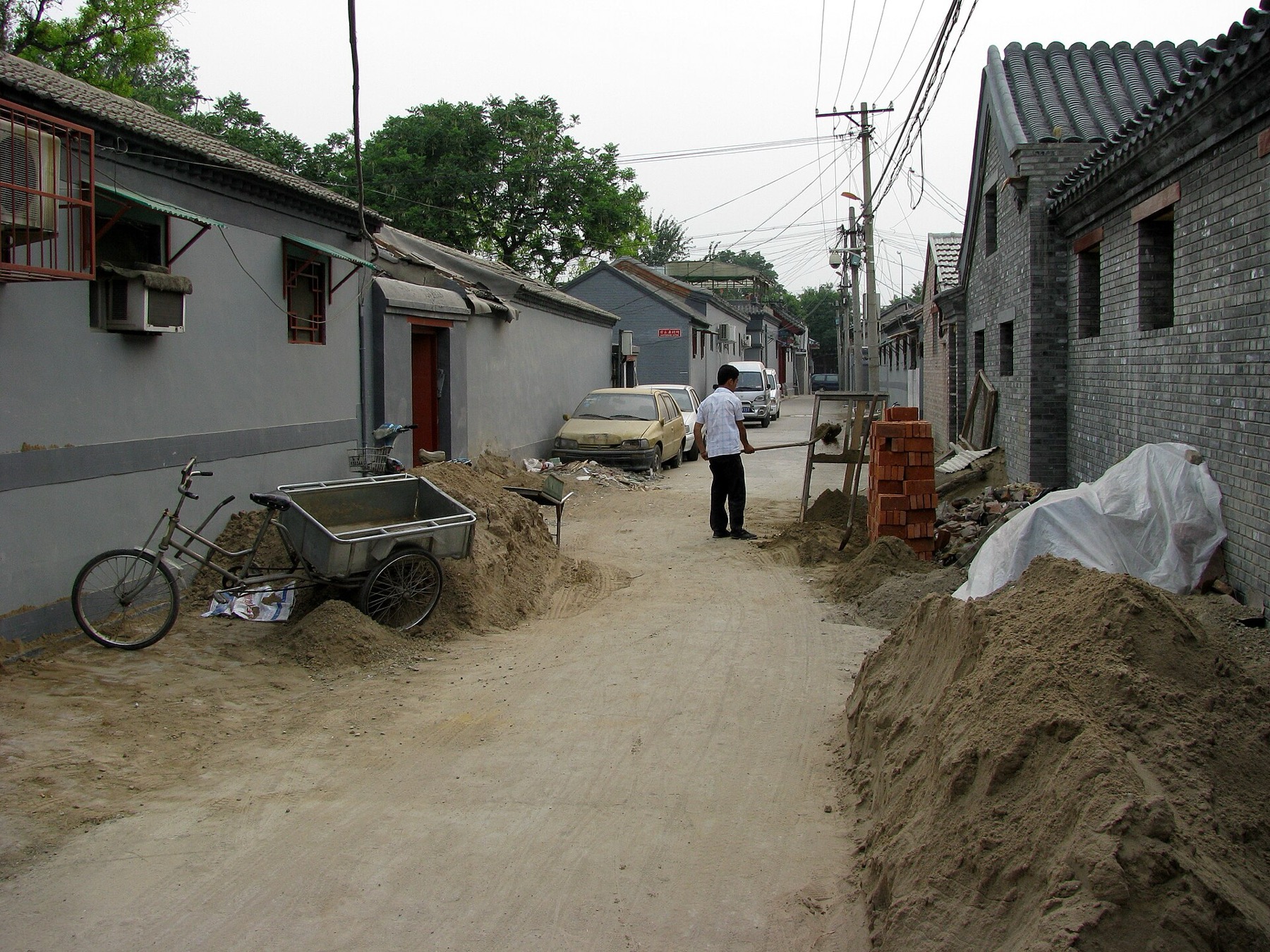
Walk without collecting
Choose an ordinary lane away from the busiest commercial strip. Notice changes in paving, gate height, utility lines and the objects placed outside doors. Visit a community museum such as Shijia Hutong Museum to hear documented local histories rather than relying only on visual impression.
A good hutong walk leaves some doors closed. Its value lies not in gaining complete access but in understanding that a city’s grand plan depends on countless small negotiations of home, street and neighbor.
Join the conversation
What did this make you notice?
What makes a neighborhood worth preserving beyond the appearance of its buildings?