
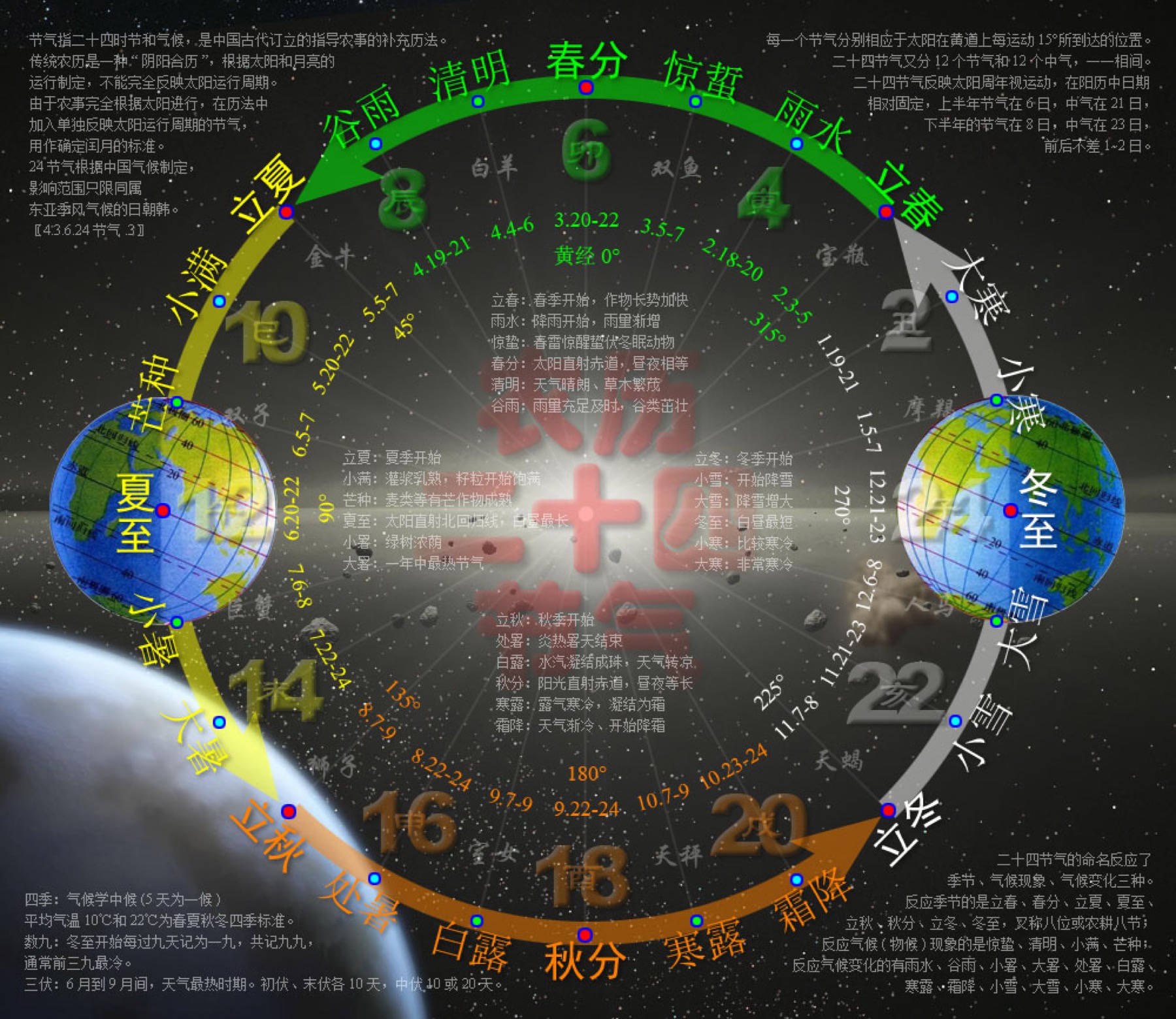
Twenty-four thresholds
The traditional Chinese calendar combines lunar months with a solar framework. The 24 solar terms divide the sun’s annual motion into equal segments, beginning with Lichun, the Beginning of Spring, and ending with Dahan, Greater Cold. They do not describe twenty-four separate seasons. They name thresholds within a continuous cycle.
Terms such as Awakening of Insects, Grain Full, White Dew and Frost’s Descent sound poetic in translation because observation is compressed into a short phrase. Each name directs attention toward weather, crops, light or living things.
Knowledge from one region travels
UNESCO traces the system’s formation to observations in the Yellow River region. It was progressively used across China, but the same term cannot produce identical weather in a country of immense latitude and altitude. Local communities adapted seasonal knowledge to their own landscapes, crops and customs.
This distinction matters. The calendar is shared cultural vocabulary, not a perfect national forecast. When social media announces “White Dew,” someone in Guangzhou, Lhasa and Harbin may inhabit very different air.
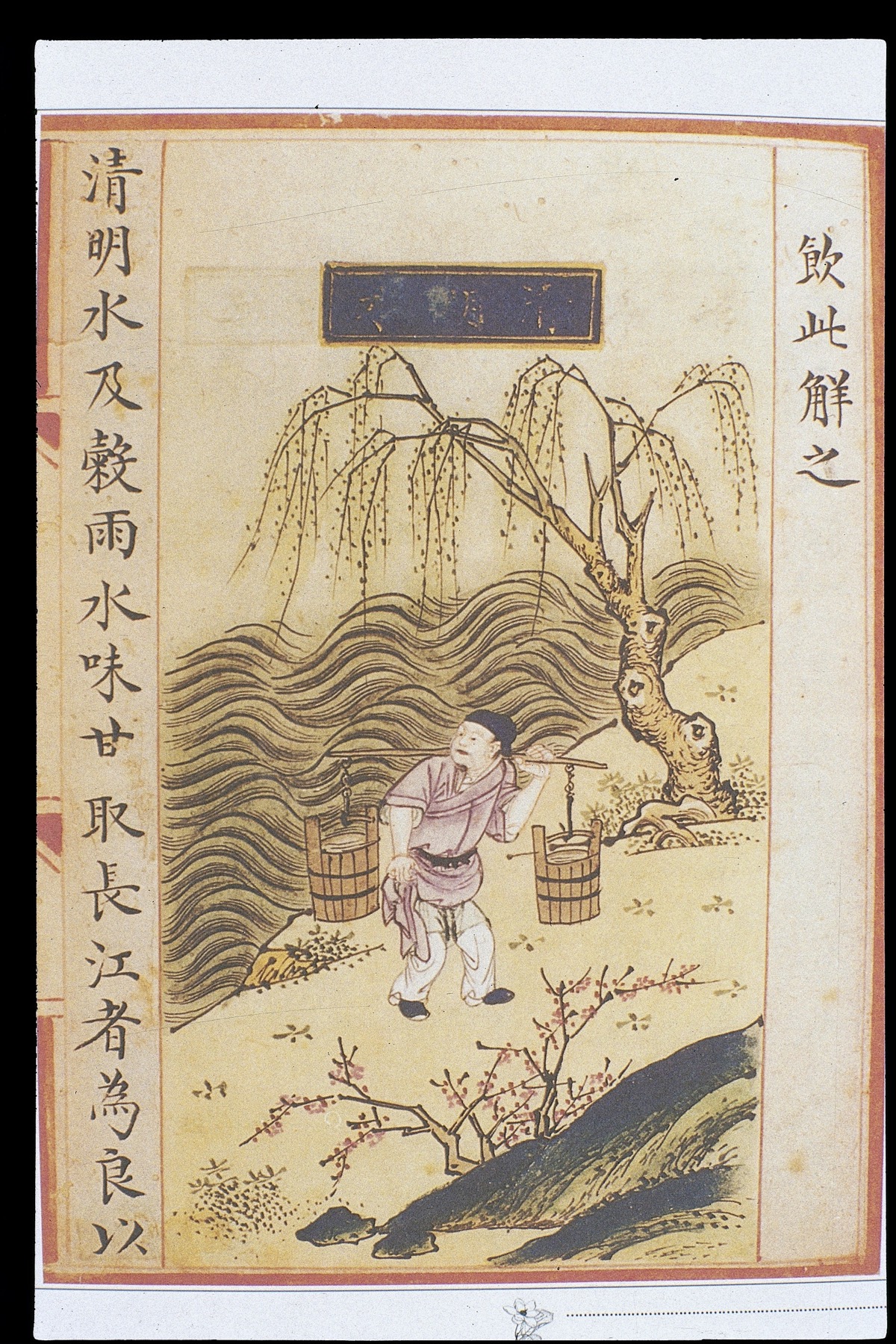
A practical system becomes culture
The terms helped organize agricultural work and daily routines. Communities linked them with sayings, foods, ceremonies and local festivals. Practical observation did not sit apart from culture; it became memorable through song, proverb and repeated action. UNESCO inscribed the knowledge and associated practices on its Representative List of Intangible Cultural Heritage in 2016.
Intangible heritage lives through use rather than storage. A term survives not because everyone farms, but because people continue to speak it, teach it, reinterpret it and attach small seasonal actions to its arrival.
Not an ancient lifestyle app
Contemporary design often turns the solar terms into elegant posters, menus and wellness advice. This can renew attention, but it can also invent rigid rules: one ingredient everyone must eat or one behavior guaranteed to balance the body. Historical seasonal knowledge was more situated and varied than such instructions suggest.
Use the terms as invitations to notice rather than medical prescriptions. What has changed in temperature, wind, flowering, bird movement or market produce where you actually live? Comparison keeps the system alive without pretending that the Yellow River climate covers the planet.

Make a calendar from where you are
Choose one solar term and keep a short record for three years. Photograph the same tree, note sunrise, cook what is locally abundant or write down the first cold evening. Your observations may diverge from the inherited name. That gap is useful: it reveals both the place from which the system emerged and the place where you stand.
The 24 terms offer something rarer than productivity. They divide a year finely enough that change becomes visible before it becomes dramatic. The calendar teaches that a season does not suddenly arrive; it gathers through small signals.
Join the conversation
What did this make you notice?
Which small sign tells you that a season is beginning where you live?