
Start with safe water, not a stereotype
Heating water can kill many disease-causing organisms. Where tap water was not reliably consumed untreated, boiling became a practical household technology. In twentieth-century China, public campaigns promoted boiled water as part of hygiene and nation-building. Communal boiler rooms and workplace supplies made the practice possible beyond private kitchens.
That history helps explain why “hot water” often really means water that has been boiled and kept warm. Temperature and safety became joined in everyday memory. Yet water systems, bottled water and household filters changed over time, and habits diversified. A historical explanation should not become a claim that all contemporary tap water or all families are identical.
The thermos turned heat into routine
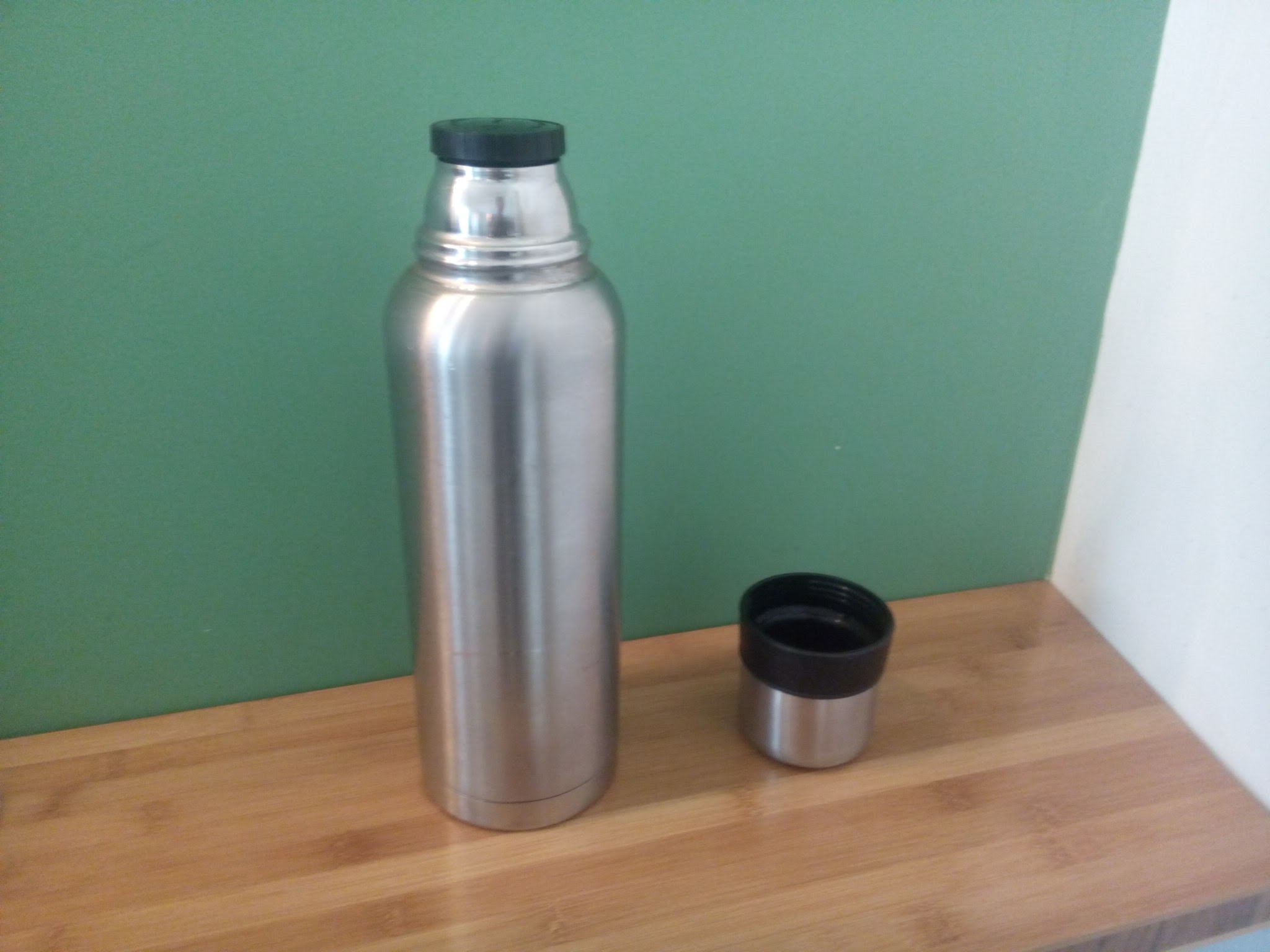
Boiling every cup separately is inconvenient. Vacuum flasks allowed a household to prepare water once and keep it warm through the day. The familiar thermos became quiet infrastructure: ready for tea, medicine, guests, washing or a plain drink. Its design converted fuel, time and labor into stored warmth.
Older visual memories of China often include rows of decorated flasks in dormitories, factories and homes. Their presence is not simply nostalgic style. Objects shape custom by making one action easier than another. When warm water is already beside you, choosing it requires no special belief.
Railways carried the habit across distance
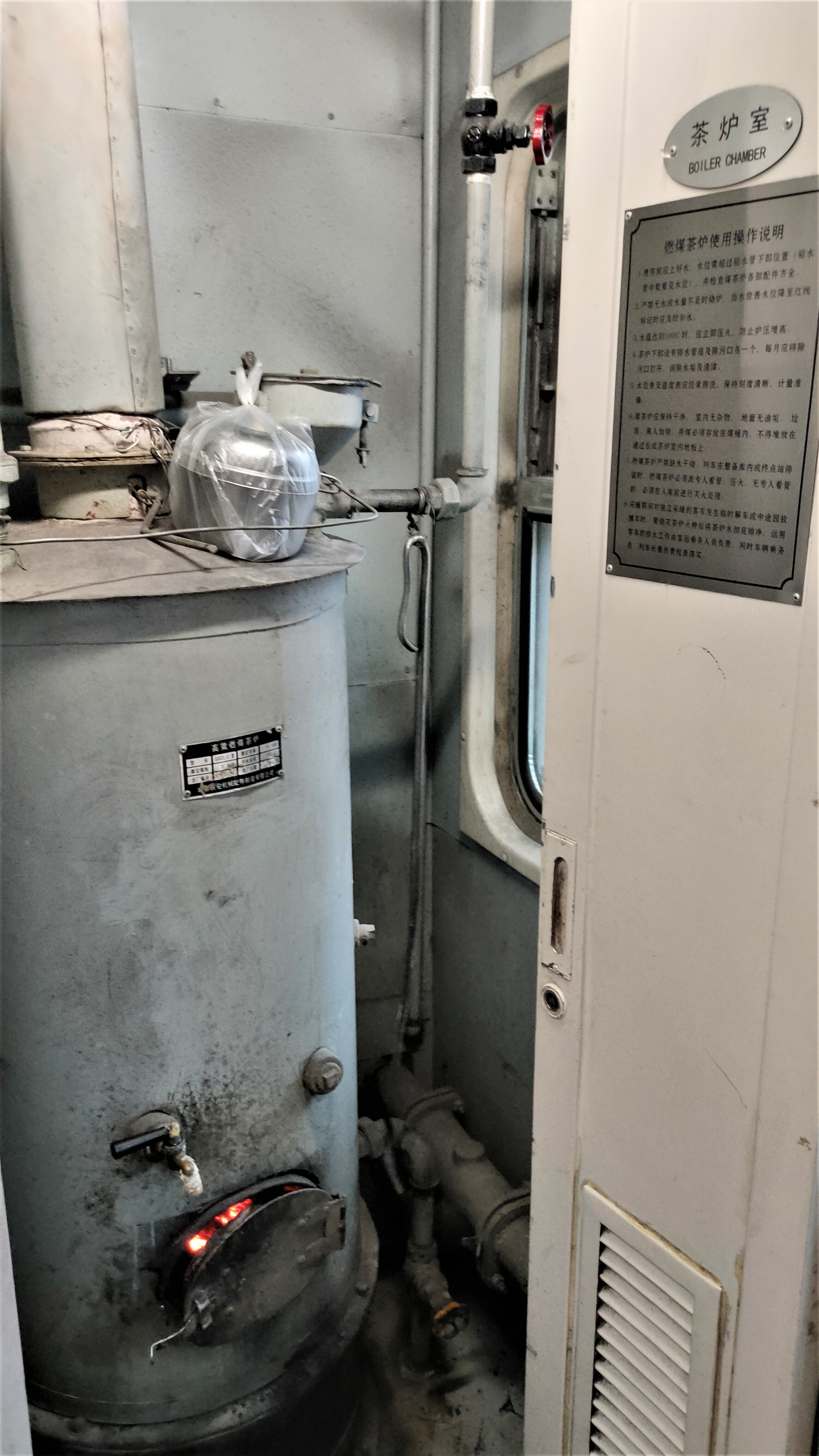
Conventional Chinese trains provided hot-water boilers, and passengers learned to travel with bottles, tea leaves and instant noodles. The tap became part of railway life: people queued, filled containers and prepared food inside a moving public space. Even modern stations and trains continue to make hot water familiar.
Infrastructure teaches the body what to expect. A traveler from a culture of chilled fountains may experience the absence of cold water; a Chinese traveler abroad may notice the absence of a kettle. Neither preference is natural or universal. Each is reinforced by the systems built around it.
“Drink more hot water” can mean “I care”
The phrase duo he re shui is often offered when someone feels tired, cold or unwell. Online jokes portray it as an inadequate answer to every problem, especially when care requires more effort. But the phrase can also function like “get some rest”: modest advice whose emotional content exceeds its medical precision.
Warmth is associated by many people with comfort and bodily balance, including ideas encountered through Chinese medicine and family teaching. These beliefs vary. It is irresponsible to turn them into a universal health guarantee, just as it is unhelpful to mock them as irrational. Hydration matters; individual medical needs deserve qualified advice; extremely hot drinks can injure. Culture explains a preference, not a prescription.
Hospitality appears in the cup
Offering water is a minimal act of welcome. In some homes, a guest receives warm water before conversation has fully begun. Tea may follow, or the water may remain plain. The gesture says that the host has noticed a body arriving from outside and provides warmth, rest and time.
A visitor does not need to force enthusiasm. Accept, sip when comfortable, or ask politely for room-temperature water. Good hospitality includes adjustment. The meaningful detail is not obedience to temperature but the relationship made visible through preparation.
China contains many preferences
Young people order iced coffee and cold beverages; regional climates differ; air-conditioning and global chains change taste. Some people drink warm water year-round, some only when ill, and some dislike it. The phrase “Chinese people drink hot water” describes a recognizable pattern, not a biological trait.
Diaspora experience adds further variation. Migrants may keep the habit, abandon it or rediscover it as a link with family. Research with Mandarin-speaking water drinkers abroad shows how trust in water systems, earlier practice and new environments interact. A glass of water can carry migration history without ceasing to be ordinary.
The everyday is where history survives
Hot water is culturally revealing precisely because it seems too simple to deserve attention. It joins state campaigns with kitchen labor, railway design with family advice, and ideas of health with a thermos on a desk. No single origin explains the whole practice.
The next time warm water arrives, notice the system behind the cup: who boiled it, where it was stored, why that temperature feels hospitable here, and how easily another culture could make cold water feel equally obvious.
Join the conversation
What did this make you notice?
Which ordinary drink in your life carries a hidden history of care, infrastructure or family habit?