
China becomes a place to study
For years, many international business conversations described China mainly as a production base: the place where an idea conceived elsewhere became cheaper to manufacture. A newer travel circuit begins from a different question. Foreign founders, investors and executives are coming to see how Chinese companies design, test and scale physical products, and why the distance between a sketch and a working object can feel unusually short. The trip is part factory visit, part market research and part attempt to update an old mental picture of China.
Reuters reported in September 2026 that these visits now span Beijing, Shenzhen, Shanghai, Hangzhou and Hefei, following robotics, electric vehicles, batteries and artificial intelligence. One Shanghai tour agency said inquiries had risen 50 percent that year, largely from European and Singaporean clients, while it was running more than one hundred single-day company tours each month. The numbers describe an emerging business, not every visitor’s experience. They nevertheless reveal a change in attention: people who once looked to China mainly for supply are now also looking for methods, competitors and ideas.

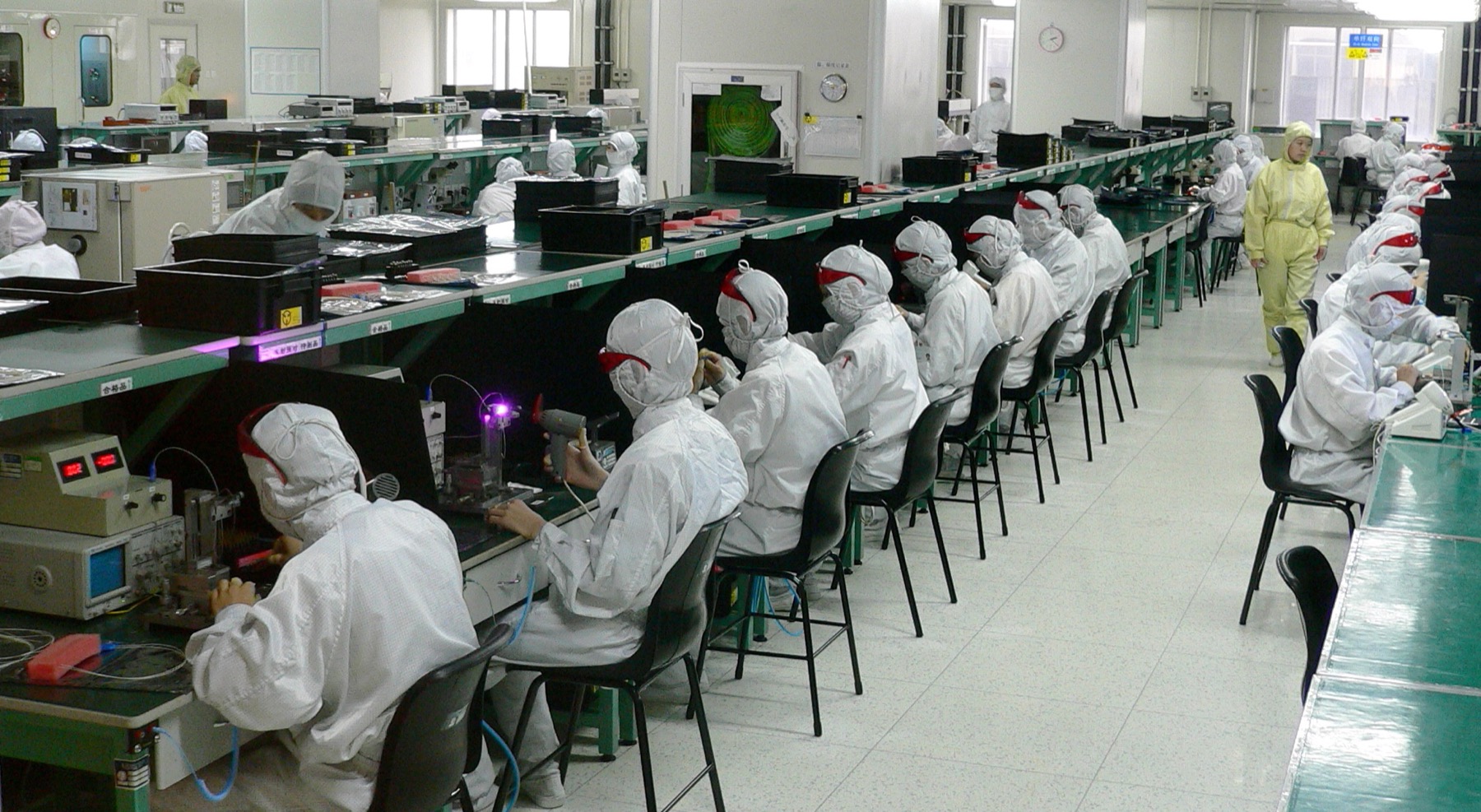
What a factory floor makes visible
A finished device hides most of the decisions that produced it. Its smooth case gives no immediate sign of component shortages, tooling changes, failed tests, quality checks or conversations between an engineer and a supplier. Standing near production makes those invisible negotiations easier to imagine. Visitors can see that “manufacturing” is not one final act after design. It is a sequence of revisions in which design, engineering, sourcing and assembly repeatedly affect one another.
This physicality matters in an era when innovation is often narrated through software. A robot requires motors, sensors, batteries, fasteners, circuit boards and a body that survives repeated movement. An electric vehicle depends on material systems, factories and logistics as much as on code. A tour does not make someone an expert, and a demonstration line may be carefully curated. But contact with the scale and rhythm of production can correct the idea that technology arrives fully formed from a laboratory or presentation deck.
Shenzhen is a network, not a single factory
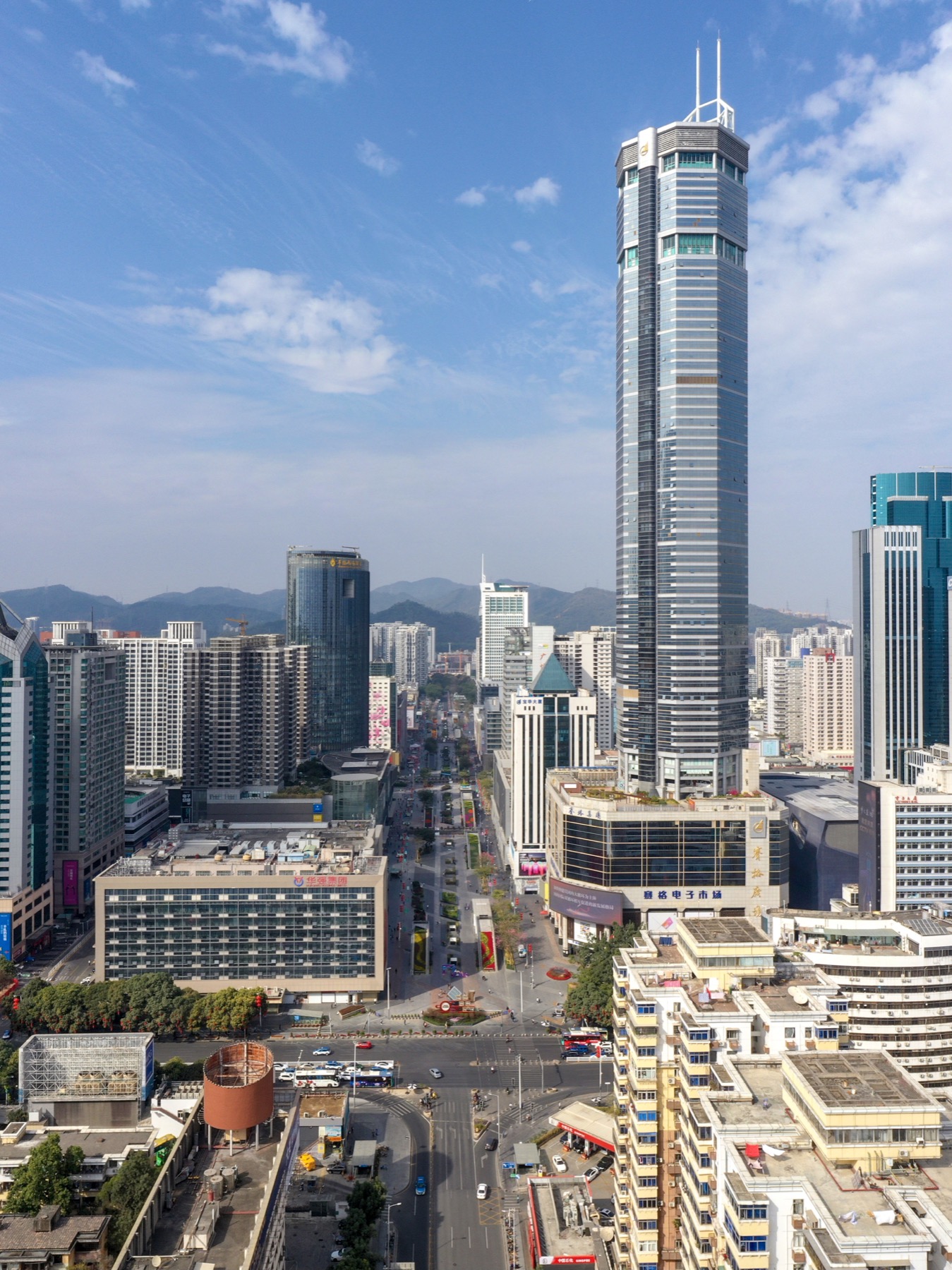
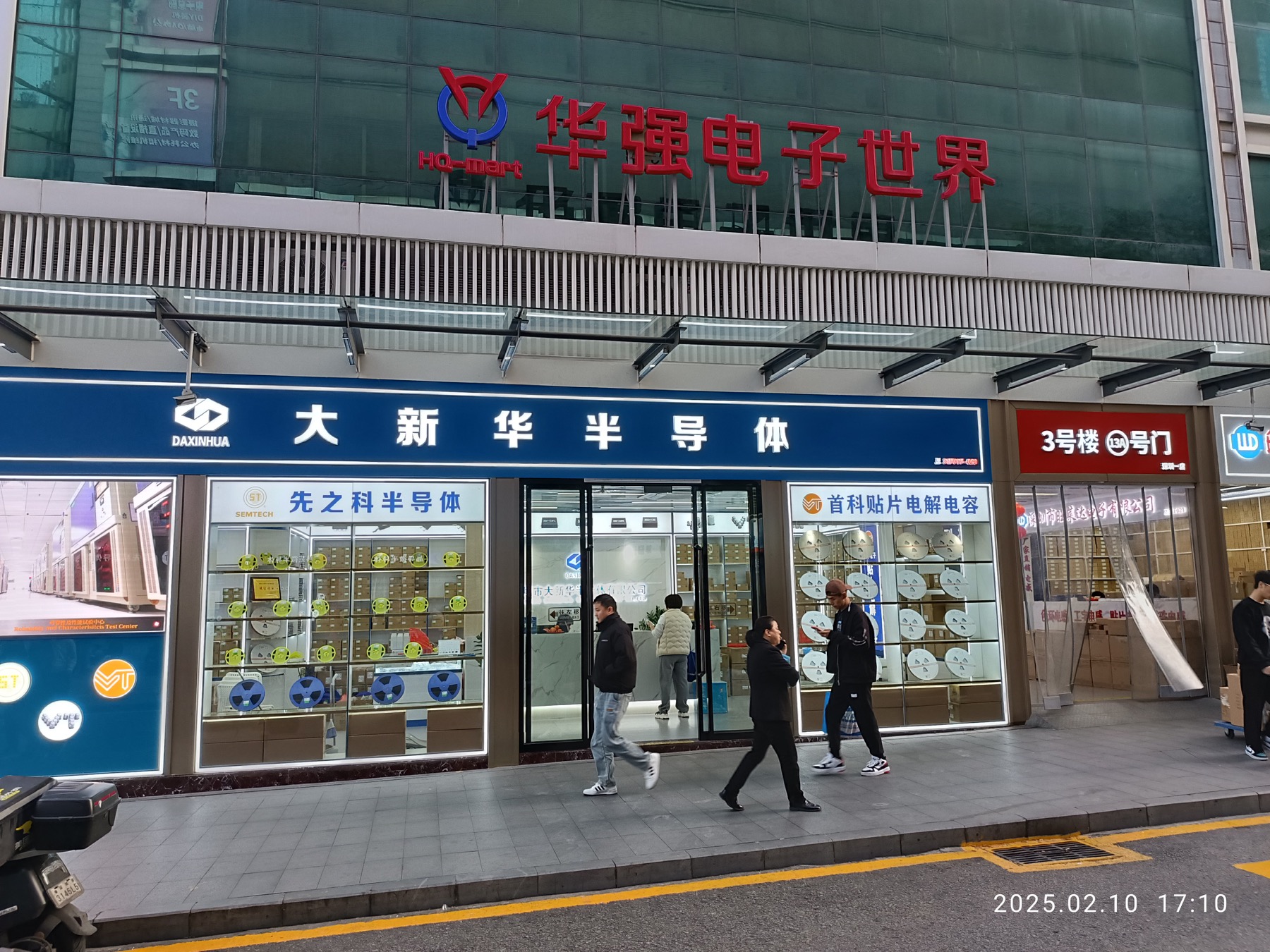
Huaqiangbei is the most visible doorway into this story. Floors of electronic markets place cables, chips, cameras, screens, tools and finished gadgets within walking distance. Shenzhen Government Online described the district in 2024 as a compact 1.45-square-kilometre area containing 22 specialized markets and more than one million kinds of electronic components. A 2026 report used broader counts—35 specialized markets and more than 115,000 commercial entities—showing how statistics can change with time and with the boundary being measured. The important feature is concentration.
Yet Huaqiangbei should not be mistaken for a giant factory. The market is a place to encounter products, traders, repair knowledge, components and possible connections. Tooling, assembly and volume production may happen elsewhere in Shenzhen or across the wider Pearl River Delta. The advantage comes from movement between these places: a question asked at a counter, an introduction to a specialist, a component carried to a workshop, a revised drawing sent to a supplier. The ecosystem is relational. Its density turns searching and coordination into part of the city’s everyday geography.
Speed is a practice of coordination
Stories about “Shenzhen speed” can sound like magic. The more useful question is what makes speed repeatable. Proximity helps: when components, technical knowledge and potential suppliers are close together, each unsuccessful attempt can produce the next attempt quickly. Informal communication also matters. People share contacts, compare options and solve small problems through networks that do not appear on a corporate organization chart. Speed is therefore not simply a worker moving faster. It is the result of many people knowing where the next answer might be found.
One example reported by the Shenzhen government involved a robotics company sourcing one hundred key components in three days and developing a prototype ready for mass production within a week. It is an exceptional company story rather than a universal timetable. Hardware projects still fail, quality varies, intellectual-property concerns remain, and a prototype is not the same thing as a durable product at scale. The lesson is more precise: an ecosystem can reduce the time between question, material test and revision. That capacity is difficult to copy by purchasing machines alone.
How to visit without seeing only a spectacle
Industrial tourism selects what can be seen. A visitor may encounter a polished showroom, a demonstration robot and an efficient line while remaining far from routine delays, labor conditions, environmental costs or commercially sensitive failures. This does not make the visit meaningless; it means the itinerary must be read like any other cultural presentation. Ask who organized access, why this site was chosen, which areas are unavailable and whether the people answering questions are responsible for engineering, sales, public relations or government liaison.
It also helps to arrive with a specific problem rather than a desire to “understand Chinese innovation” in a day. Follow one product category from components to assembly. Ask how small test orders differ from volume production, how quality is measured and what must change before export. Do not photograph workers, screens or processes without permission. A factory is a workplace. The most respectful visitor observes both technical achievement and the human coordination that makes it possible.
“Made in China” becomes a cultural question
For an overseas audience, Shenzhen offers a cultural lesson as well as a business one. Material knowledge lives in people, habits and places. A component vendor develops an eye for substitutions. An engineer learns which tolerance can be negotiated and which cannot. A repair technician recognizes failure through sound or touch. These forms of intelligence are easy to overlook when technology is represented only by founders, brands and patents. The city makes the collective nature of invention harder to ignore.
This is why the new pilgrimage matters beyond predictions about which country is ahead. It places foreign visitors inside a system they previously understood through finished exports. Some will leave impressed, others skeptical, and many will carry home a more complicated picture. That complexity is valuable. China becomes neither an abstract threat nor an effortless machine, but a set of particular places where ambition, labor, policy, commerce and accumulated skill meet. To watch an idea become physical is to discover that innovation always has a geography.
Join the conversation
What did this make you notice?
If you could follow one physical product through Shenzhen—from component to prototype—which object would you choose, and what would you ask the people making it?