
There is no single Chinese tea experience
A first encounter with Chinese tea often arrives as a polished image: a small clay pot, a row of cups, steam rising in a quiet room. That image can be beautiful, but it is only one door. Tea is also poured from a large thermos in an office, brewed in a lidded bowl at home, ordered in a neighborhood teahouse, carried on a train, and shared during family visits.
UNESCO’s description of traditional tea processing techniques and associated social practices in China emphasizes both making and sharing. It includes plantation management, leaf picking, hand processing, drinking and the relationships built around tea. The range is enormous: geography and local custom shape different teas, tastes, tools and ways of serving. Approaching this variety with curiosity is more useful than searching for one correct ritual.
The leaf carries a landscape
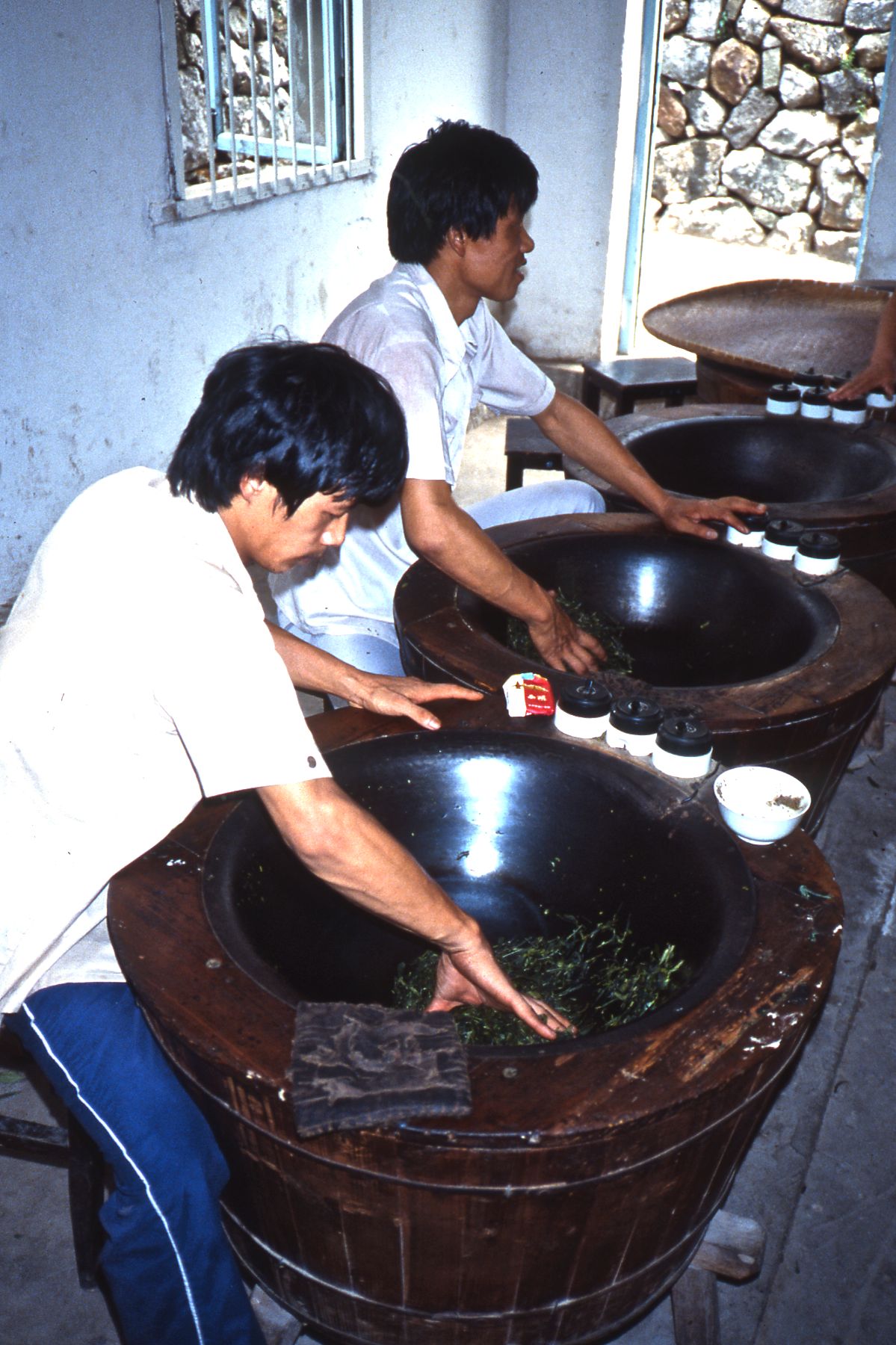
Before tea becomes a drink, it is an agricultural and crafted material. Altitude, weather, cultivar, season and the decisions made after picking all influence the finished leaf. Withering, heating, rolling, oxidation, shaping, roasting and fermentation are not interchangeable steps; different sequences and degrees of transformation create different results.
This helps explain why color names alone can confuse newcomers. What English speakers call “black tea” is generally called red tea in Chinese, while dark or post-fermented teas form another family. The point is not to memorize a taxonomy before taking a sip. It is to understand that the cup has a history of labor and place. Asking where a tea comes from and how it was processed is already a meaningful form of attention.
Read the table as a social space
At a tea table, the objects organize movement. A pot or gaiwan determines how the leaves meet the water. Small cups make repeated pouring possible. A tray receives what spills. Yet the most interesting gestures often happen between the objects: someone warms a cup, adjusts the strength of the next infusion, serves another person first, or pauses because the conversation has become more important than the tea.
Hospitality does not look identical in every setting. In one place, the host may explain each leaf; in another, tea is offered without commentary because offering it is ordinary. Visitors sometimes worry about performing the correct response. A better approach is to observe, accept what is offered, and ask a simple question when something interests you. Genuine attention travels well across cultures.
How to begin without becoming an expert
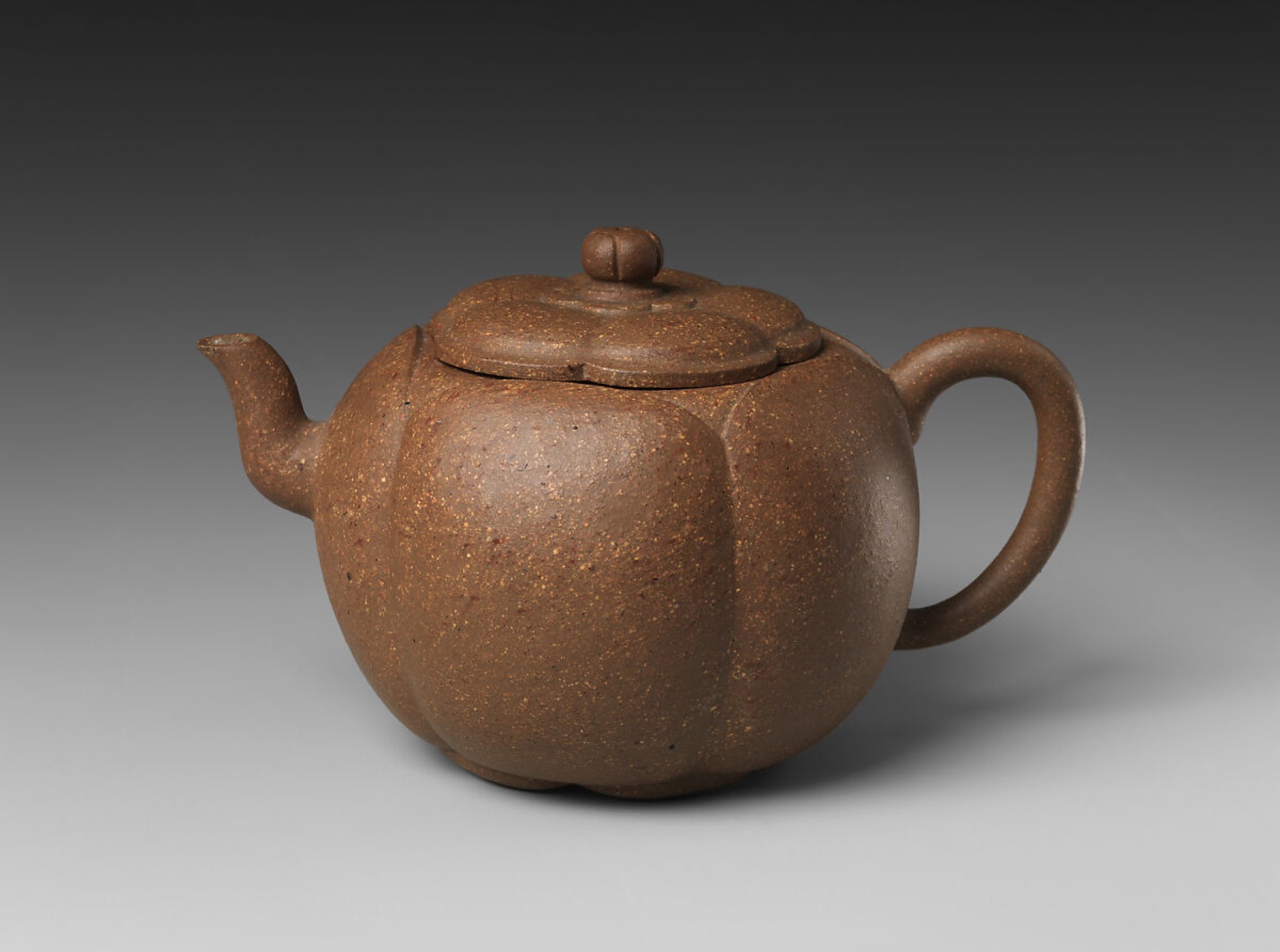
The teapot pictured here provides a particularly precise starting point. The Metropolitan Museum of Art identifies it as Shi Dabin’s Teapot in the Shape of a Plum Blossom, dating to the early seventeenth century. Its record connects the development of Yixing teapots with a change toward steeping leaves. That connection is more revealing than describing the pot simply as timeless: a form we now admire emerged in relation to a way of preparing a drink.
Look at the body, the opening and the handle as parts of one small working arrangement. Imagine the sequence of lifting the lid, adding leaves, pouring and putting the vessel down again. This is an invitation to read the object through possible use, not a claim that we can reconstruct its entire history from a photograph. A museum image gives us exceptional access to surface and shape; the collection record tells us what has actually been identified.
A room can change the meaning of a cup
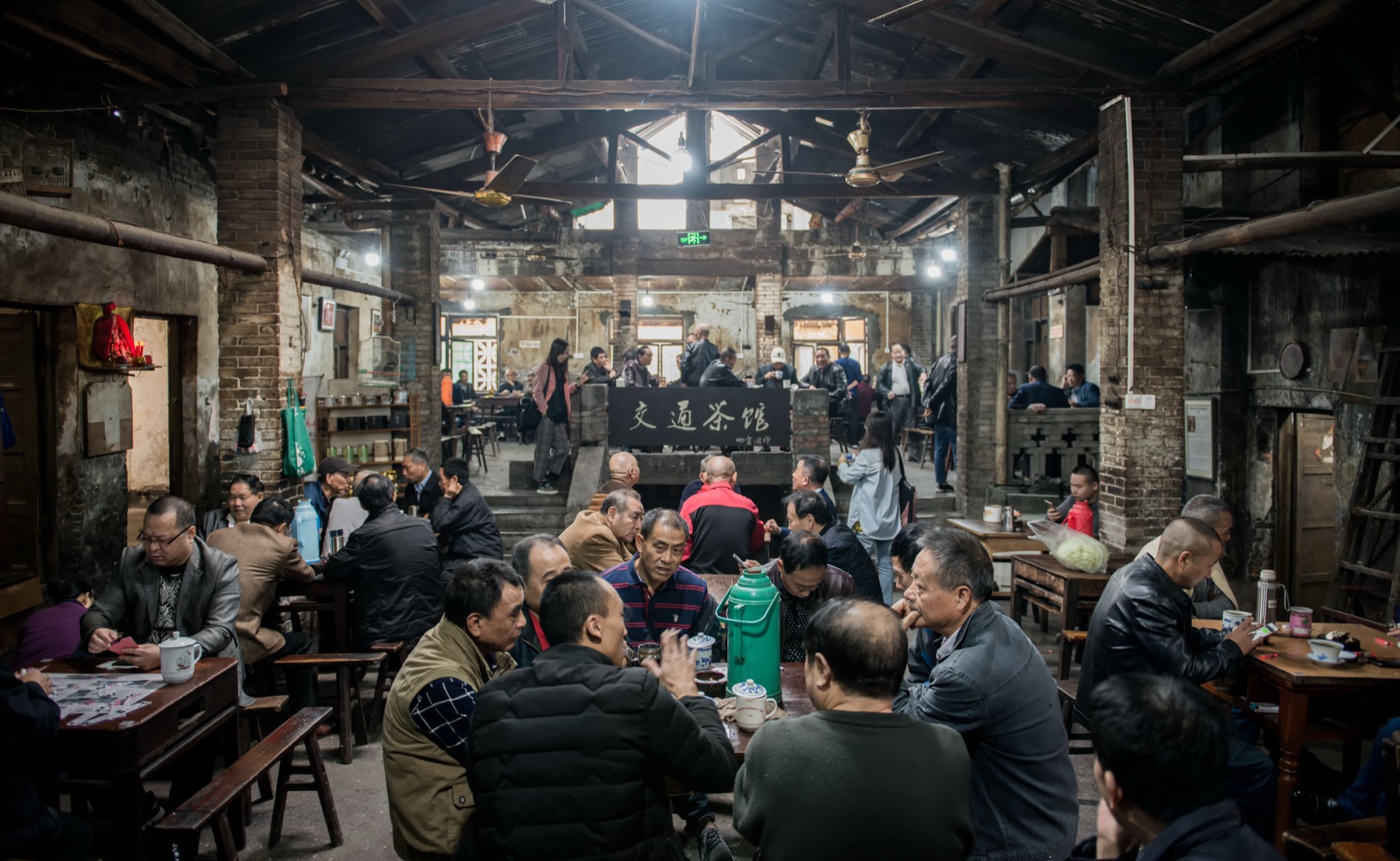
Return to the opening photograph of Jiaotong Teahouse. The space is full of people, tables and overlapping activities. It challenges the assumption that a meaningful tea experience must happen in silence. In this frame, the pleasure of the place appears inseparable from sharing a room. The photograph cannot tell us what each person is discussing, but it makes the social scale of drinking tea immediately visible.
Compare that room with the close view of workers handling leaves. One image invites us to think about consumption; the other asks us to notice the work before it. Neither should become a nostalgic claim that tea exists outside modern life. They document particular settings and moments. Read the dates and credits alongside them, and keep open the question of what has changed since the photographs were made. Cultural knowledge becomes more useful when it includes time, rather than presenting every scene as an eternal tradition.
Make the next cup a small experiment
You can begin with a cup you already own. Ask the person supplying the tea how much leaf, water and time they suggest for that particular tea, then treat the advice as a starting point for noticing your own preferences. Change one thing at a time so the comparison remains understandable. A longer steep, for example, is a different experiment from using more leaf; doing both at once makes it harder to tell which change you enjoyed. Keep your description ordinary and specific: lighter, stronger, smoother, more fragrant. The aim is to make a repeatable observation, not to produce the vocabulary of a professional tasting.
Choose one tea and return to it over several infusions. Notice aroma before taste. Pay attention to temperature, texture and the change from the first cup to the last. If you are in a teahouse, ask what kind of experience the place offers and how ordering works. There is no need to imitate specialized vocabulary.
The deeper lesson of the tea table is not performance but time. A leaf unfolds gradually; flavor changes; conversation takes an unexpected turn. Staying a little longer allows the ordinary to become visible. That may be why tea remains such a generous way to meet a culture: it offers knowledge, but it begins by asking us to slow down.
Join the conversation
What did this make you notice?
What would you most like to understand at a Chinese tea table: the leaves, the objects, the gestures, or the people around it?