
Scent makes an invisible room
Incense changes space without building a wall. A stick, coil or pinch of powdered aromatic material releases smoke that moves beyond the burner and settles into memory. In a temple it may carry an offering; in a scholar’s studio it can accompany reading, painting or conversation. These uses overlap but should not be treated as one generic “Chinese incense ritual.”
Materials also differ. Aloeswood, sandalwood and blended recipes arrived through trade, cultivation and specialist preparation. Rarity gave some aromatics extraordinary value. To smell them was to encounter botany, distance and commerce as well as atmosphere.
A burner remembers older vessels
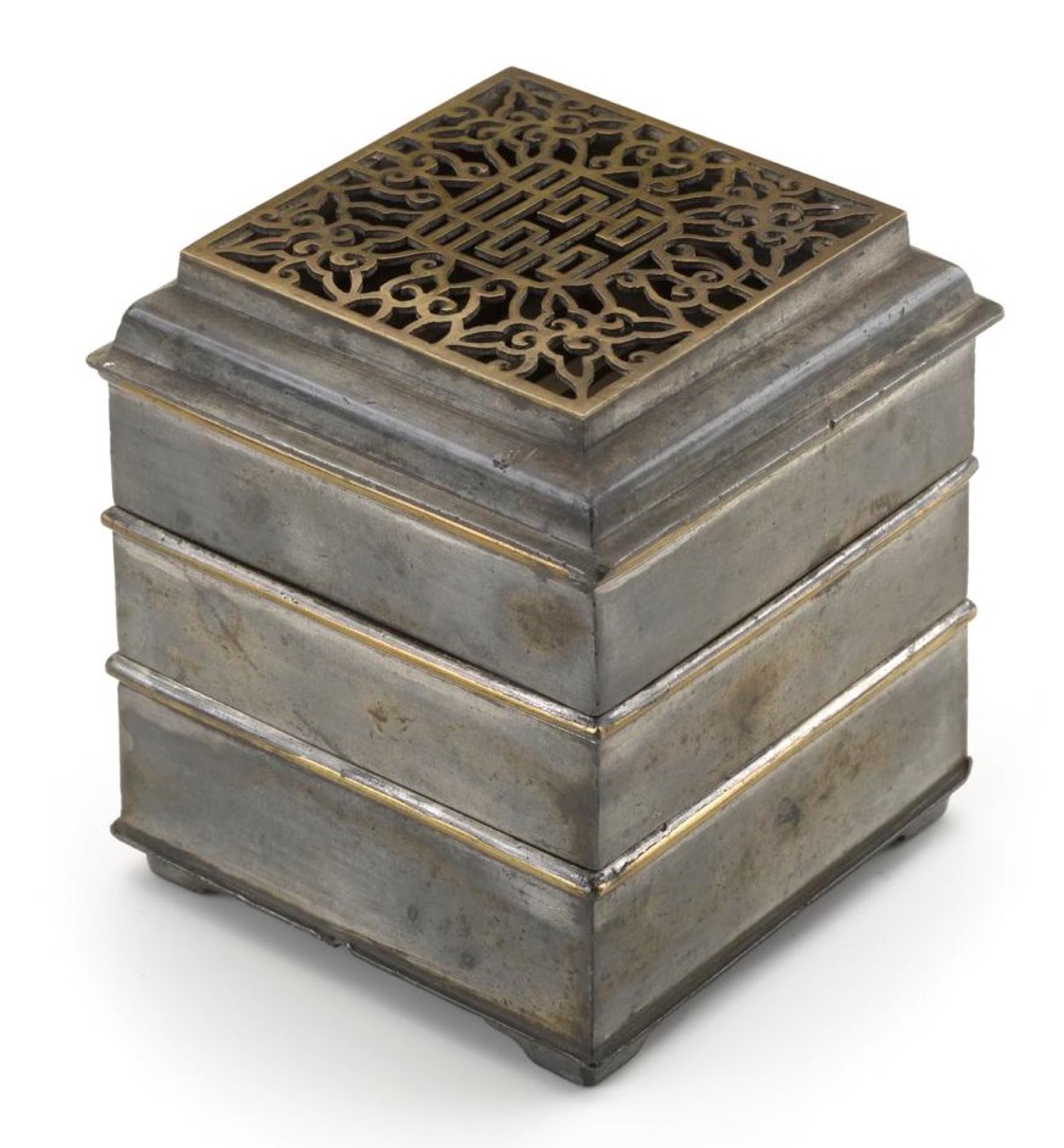
Incense burners range from restrained bronze bowls to animals whose pierced bodies release smoke. Ming and Qing makers sometimes adapted shapes associated with ancient ritual bronzes or earlier ceramics. The past was not copied exactly; it was quoted through silhouette, surface and patina for new rooms and users.
Follow where smoke escapes. A lid may turn vapor into a visible pattern, making the air part of the object. What appears solid is completed by something that cannot be held.
Fire becomes a clock
Before mechanical clocks organized every minute, calibrated incense could measure duration. Powder was laid along a patterned path or sticks were marked so that steady burning indicated intervals. Some devices triggered a sound when a thread burned through. Time became visible as an advancing ember and perceptible as changing fragrance.
Incense clocks were specialized technologies, not universal household objects. Their fascination lies in how measurement joined the senses. An hour did not appear as digits; it consumed material, released scent and left ash behind.
Temple smoke is not decoration
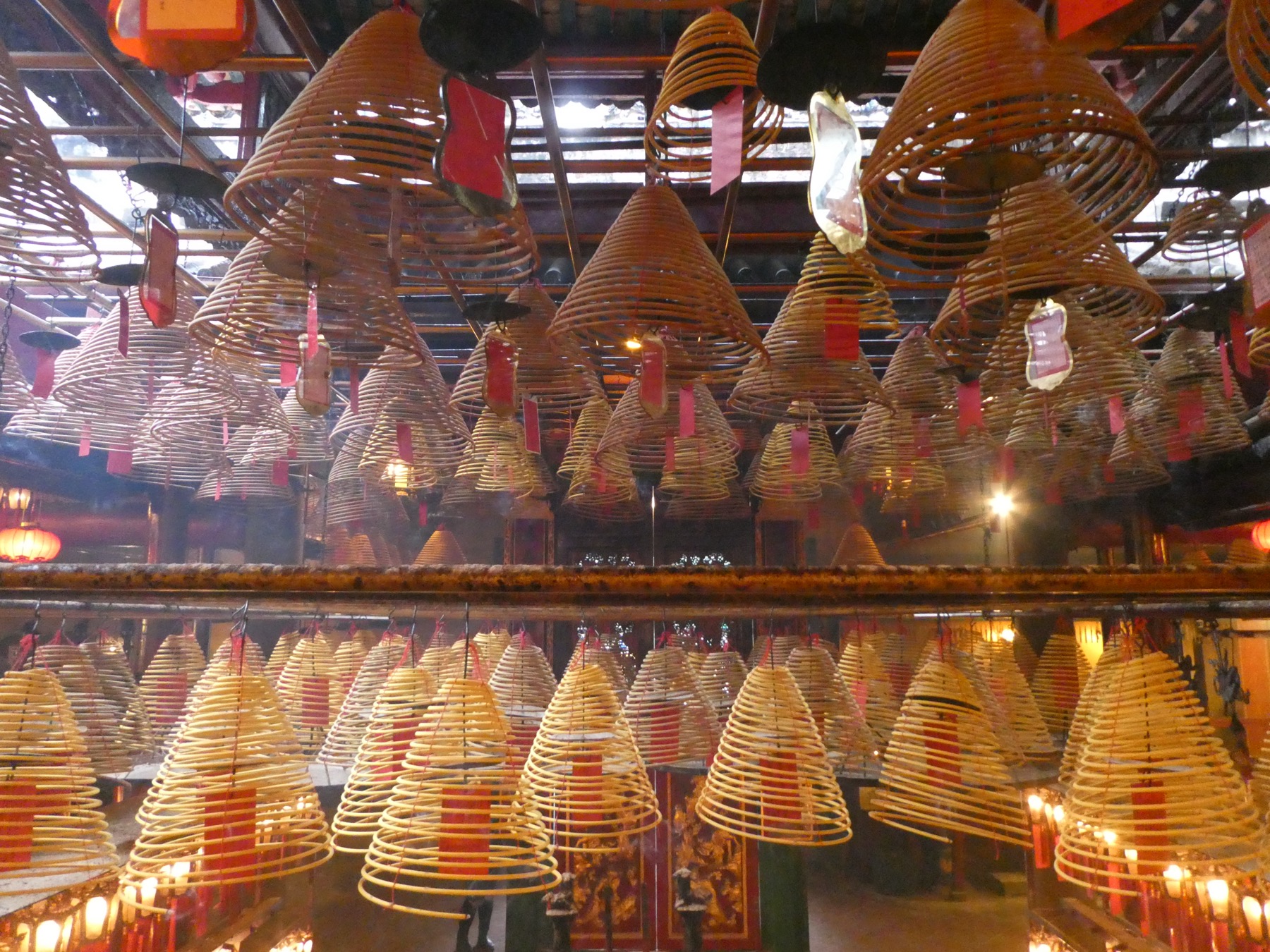
Photographs of hanging coils and crowded censers are visually powerful, but worship is not an atmospheric installation. People burn incense within particular Buddhist, Daoist and popular religious practices, making requests, honoring deities or ancestors, and marking relationships with sacred places. Visitors should follow posted rules and the behavior of practitioners.
Ask before photographing people at prayer. Do not place incense where it is prohibited or assume that more smoke means more sincerity. Fire safety and air quality have led many temples to limit burning. Respect may mean doing less.
Smell with context
Contemporary fragrance brands often borrow incense vocabulary to promise calm, antiquity or spiritual depth. A beautiful scent may be worthwhile, but marketing can detach materials from ecology, labor and religious use. Ask what is actually in a product and whether endangered aromatic woods are sourced responsibly.
Incense culture becomes richer when scent is not treated as magic. It is material transformed by heat, knowledge and intention. The smoke disappears; the social and environmental choices behind it do not.
Join the conversation
What did this make you notice?
Which memory in your life is held most strongly by a scent?