
Why the fifth month mattered
In historical seasonal thought, the arrival of summer brought heat, humidity, insects and illness. The fifth lunar month could therefore be understood as dangerous as well as fertile. Households used fragrant plants, sachets and other protective practices to mark the threshold.
Modern retellings often call these customs superstition and move on. A more useful reading sees them as ways communities organized environmental knowledge and care before modern public health. Mugwort or calamus at a doorway was symbolic, sensory and practical at once. The smell announced the season; the action made risk visible and gave families something to do together.
Not every custom was practised everywhere, and meanings changed. A local tradition should not be presented as an eternal habit of all Chinese people.
Qu Yuan—and stories beside his
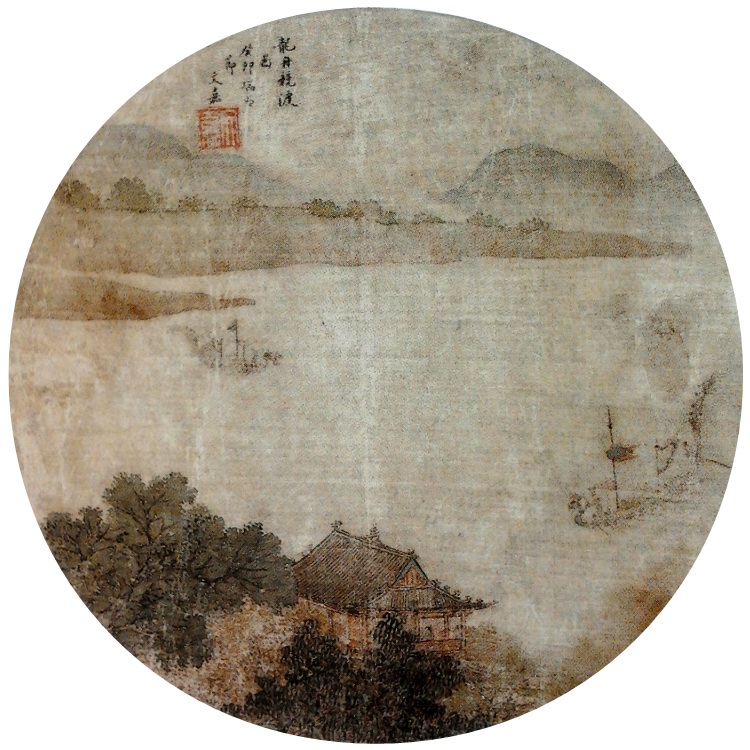
The best-known origin story commemorates Qu Yuan, a poet and minister of the ancient state of Chu who, according to tradition, drowned himself after political exile. Boats searched the water; rice offerings were cast in so that fish would not consume his body. The narrative binds loyalty, poetry and loss to racing and zongzi.
Qu Yuan is central to modern public memory, but he is not the only figure associated with fifth-month observances. Different regions have connected the festival to Wu Zixu, Cao E or local deities and ancestors. The festival’s practices also predate some later literary explanations. Origin stories often gather around rituals rather than providing a single historical starting point.
This does not make the stories false or unimportant. It means festivals accumulate meanings. Qu Yuan offers a powerful ethical narrative; local histories preserve other relationships to rivers, kinship and place.
A parcel that maps a region
Zongzi are glutinous rice parcels wrapped in leaves, but that definition hides enormous variety. Shapes, leaves and fillings change by region and family. Some are sweet, with red bean or dates. Others contain pork, salted egg yolk, chestnuts or mushrooms. Wrapping is a learned physical skill: fold, fill, close and tie tightly enough to survive cooking.
Food arguments—sweet or savoury, triangular or elongated—are part of the pleasure. They reveal that “Chinese food” is not a single cuisine. One festival dish can map climate, agriculture, trade and family memory.
For readers outside China, the best question is not “Which zongzi is authentic?” but “Authentic to whom, where and when?” A homemade parcel in Guangdong, a commercial gift box in Shanghai and a family recipe carried to Peru can all belong to Duanwu while telling different histories.
The boat as community technology
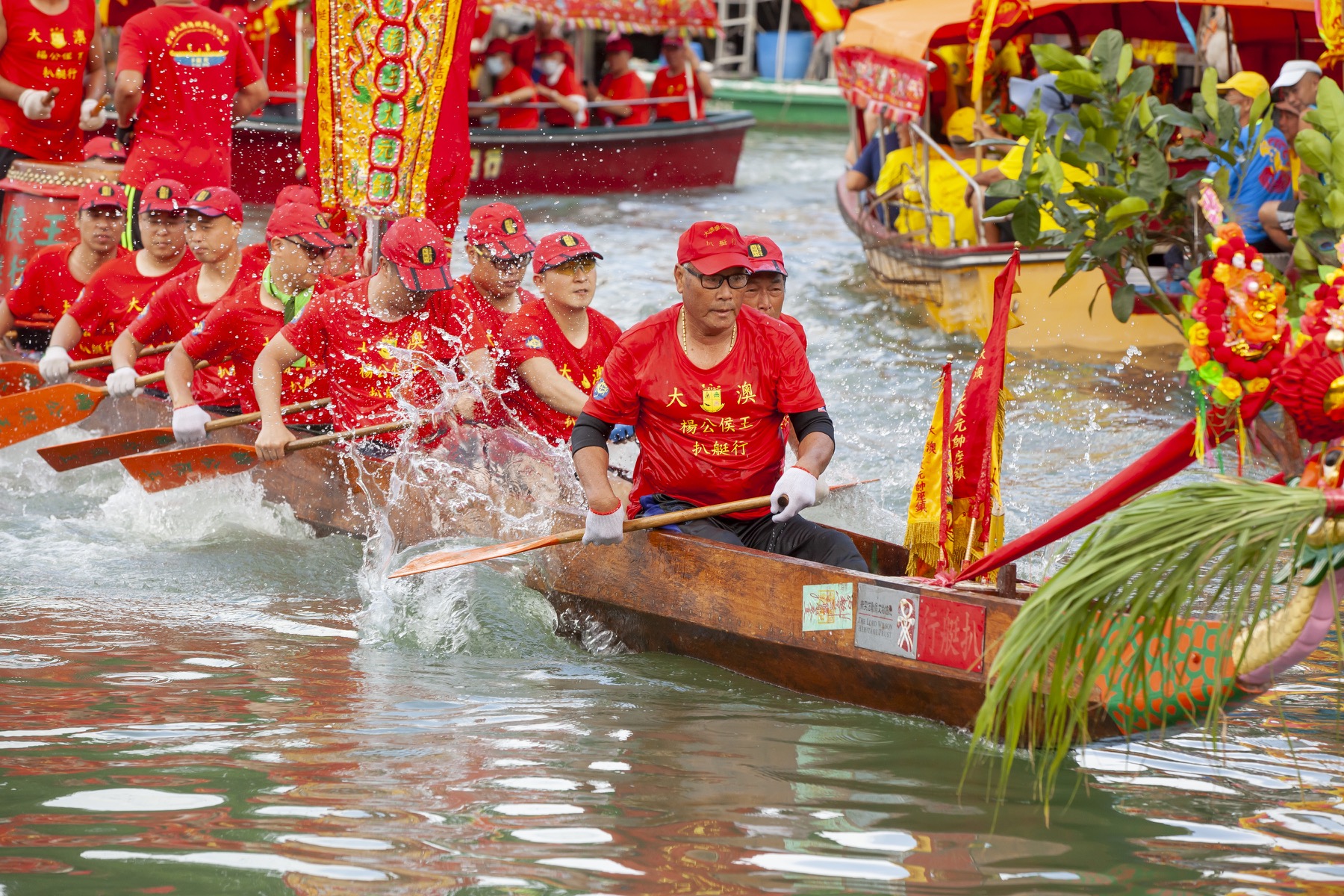
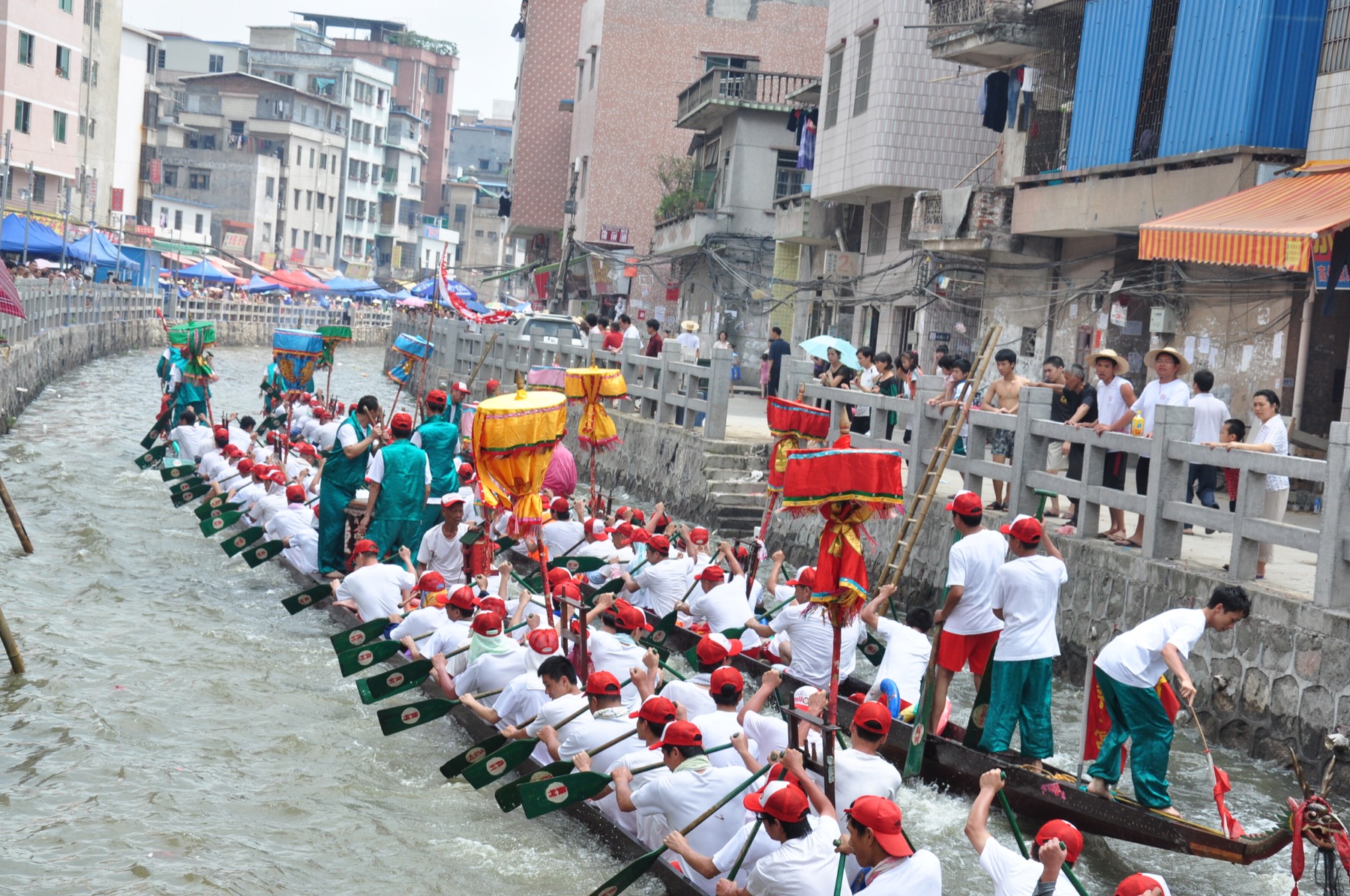
A dragon boat turns coordination into visible form. Paddlers must listen, feel and adjust; strength without rhythm is inefficient. Before the public race there may be boat preparation, ritual awakening, offerings or processions. In Hong Kong’s Tai O, a water parade carries deity images on sacred sampans towed through the stilt-house waterways—a locally specific tradition recognized as intangible cultural heritage.
The boat is therefore more than a sporting object. It joins craft, neighbourhood organization, water knowledge, worship and performance. Contemporary international racing has created new communities around the sport, while local ceremonies retain histories that cannot be explained by competition alone.
How to join without flattening it
Watch the race, but also notice who maintains the boat and who cooks. Ask which leaves wrap the rice. Learn the local story instead of assuming every river commemorates exactly the same person. If you photograph a ritual, distinguish a community ceremony from a tourist performance—and remember that both can coexist.
Duanwu endures because it can be solemn and exuberant, intimate and public. The drum is compelling, but its deepest rhythm may be repetition: a recipe taught again, a boat launched again, a dangerous season met together again.
A festival travelling abroad
Migration and international sport have carried dragon-boat practice far beyond China. Teams now train in cities across Europe and the Americas, sometimes with no ethnic-Chinese majority. Diaspora associations may combine racing with food stalls, music and community fundraising. These events are not merely copies of a fixed original. They are new local chapters shaped by waterways, municipal festivals and the people who participate.
The distinction between Duanwu and dragon-boat sport is still useful. A competitive regatta can happen outside the lunar date and without the festival’s ritual meanings; a family can observe Duanwu without seeing a boat. Neither experience cancels the other. Traditions can travel, separate and reconnect. Asking how an event came to a particular city often reveals more than asking whether it is “authentic”: it may reveal migration histories, intercultural friendships and the practical labour required to build a team.
Join the conversation
What did this make you notice?
Which carries memory more powerfully for you—a public spectacle or a small family ritual repeated every year?