
Time zones are designed, not discovered
Before standardized time, communities could organize the day around local solar conditions. Railways, telegraphs and large administrations made that multiplicity inconvenient. Modern time zones grouped many local times under shared clocks. Their boundaries have always reflected borders and policy as well as longitude.
An “ideal” zone is about fifteen degrees wide because Earth turns approximately fifteen degrees each hour. Real maps are far less tidy. Countries bend zones around borders, choose offsets for trade, or adopt one national standard to emphasize coordination. China’s case is unusually wide, but the underlying act—turning astronomy into civil time—is universal.
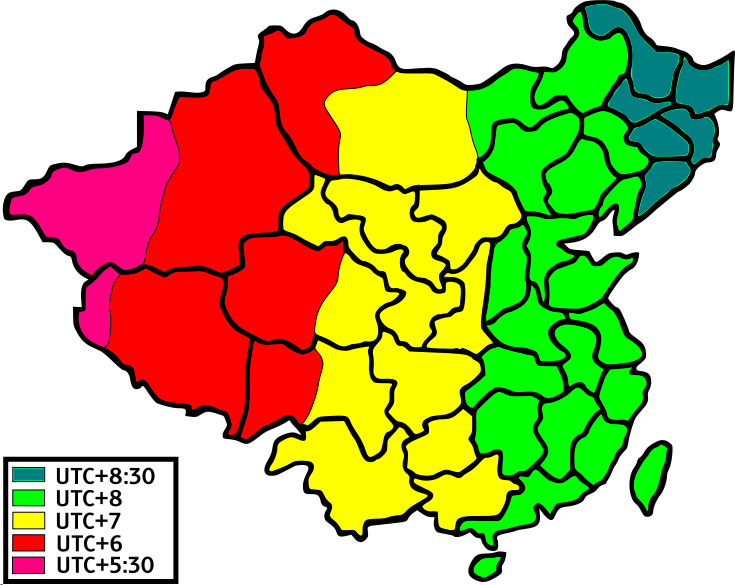
China once used five zones
During the Republican era, maps and administrative plans divided China into five time zones with offsets ranging from UTC+5:30 to UTC+8:30. Implementation was uneven in a country marked by war, limited infrastructure and competing authorities. The five-zone history is still helpful because it shows that the current arrangement was a choice, not the only imaginable outcome.
After the establishment of the People’s Republic of China in 1949, Beijing Time became the nationwide standard. One clock supported a centralized administrative system and simplified broadcasting, transport and official communication. The name refers to the capital as the reference of national civil time, not to a claim that Beijing’s solar conditions exist everywhere.
China does not currently observe daylight saving time. Historical experiments occurred, but today the national offset remains UTC+8 through the year. Hong Kong and Macao also use UTC+8 under their own time standards, so travellers do not change their watches when crossing those boundaries.
What one clock does to daylight
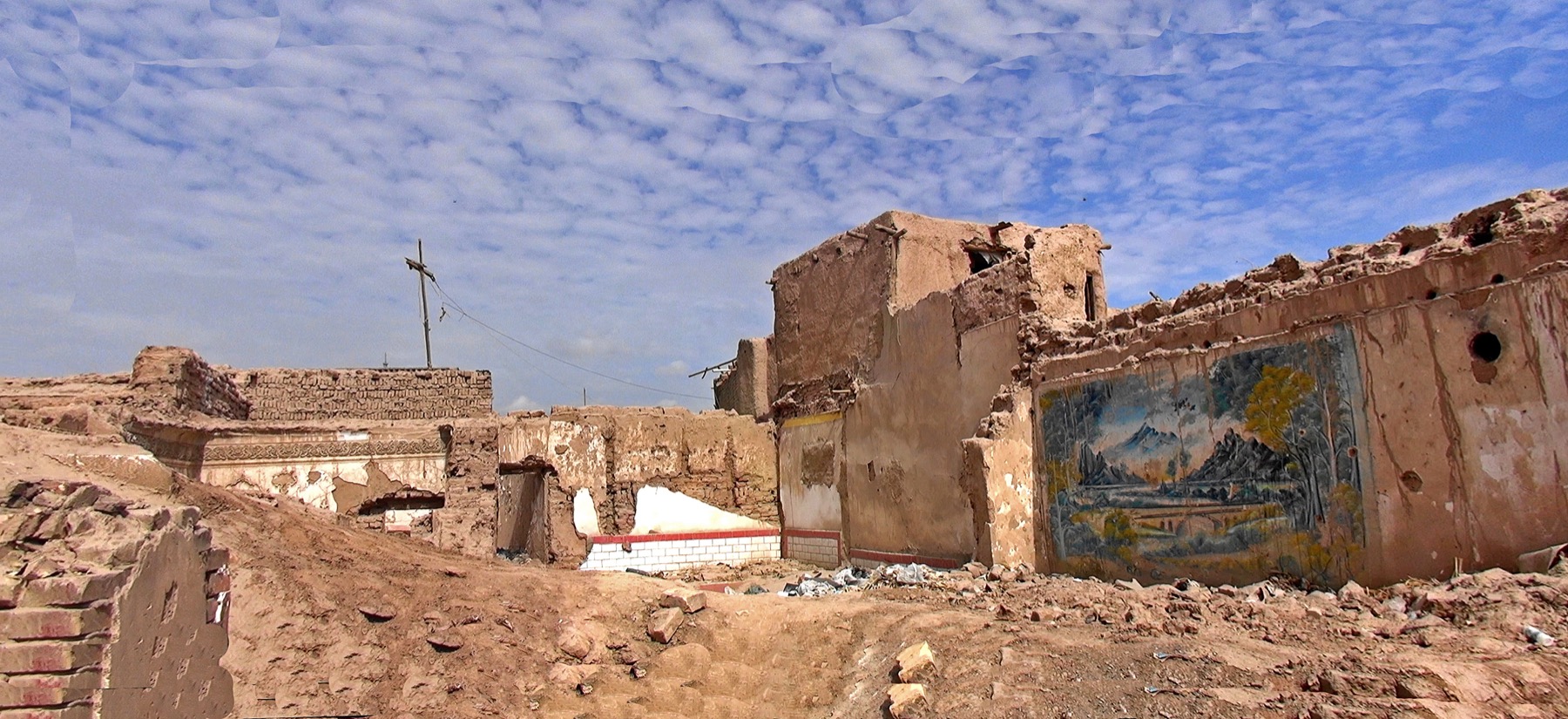
The consequences grow as one travels west. In coastal eastern China, work and school times broadly resemble the solar day expected at that clock reading. In Xinjiang, sunrise and sunset can occur much later by Beijing Time. In Kashgar, solar noon may arrive around mid-afternoon on the official clock at some times of year.
People adapt schedules. Shops may open later; dinner and evening activity shift; institutional timetables can account for daylight. This is an important correction to the assumption that everyone follows the same bodily routine simply because the clocks match. A national time standard coordinates numbers, not necessarily breakfast.
The mismatch also changes through the seasons. Latitude affects day length, while longitude affects the clock position of solar noon. “It gets dark late in western China” is therefore not one fixed fact: date, precise location and the schedule being used all matter.
Beijing Time and local time in Xinjiang
In Xinjiang, an unofficial UTC+6 standard is often called Xinjiang Time or Ürümqi Time. It is used by many Uyghurs and in some local social contexts, while official institutions and many Han residents use Beijing Time. Practice is not uniform, and time choice can carry social and political meaning.
For a visitor, the lesson is practical and respectful: clarify which time someone means. Hotels, airlines, railways and official services normally use Beijing Time. A locally arranged meal or appointment may be expressed in another standard. Repeat the hour and the time system rather than assuming.
This subject deserves care. It is easy for travel writing to turn local practice into a novelty or to claim that one group always uses one clock. People switch according to setting, language, institution and company. Describe the context and avoid making an individual stand for an entire region.
A tool of unity with local costs
Supporters of one zone can point to obvious conveniences. A 9 a.m. national broadcast occurs at 9 a.m. on every official clock. Government, finance and long-distance transport avoid domestic time conversion. Digital systems and nationwide businesses share one reference.
The costs are experienced unevenly. Western communities live farther from local solar time; schoolchildren and workers may begin days in darkness during parts of the year. Later clock schedules can compensate, but not every institution has equal flexibility. A policy that looks simple on a map becomes complex in bodies, households and streets.
This tension is not unique to China. Spain’s civil time is famously displaced from its solar position, and several large countries use fewer zones than geography alone might suggest. Comparisons help, provided they do not erase China’s distinct political history.
How to read a Chinese timetable
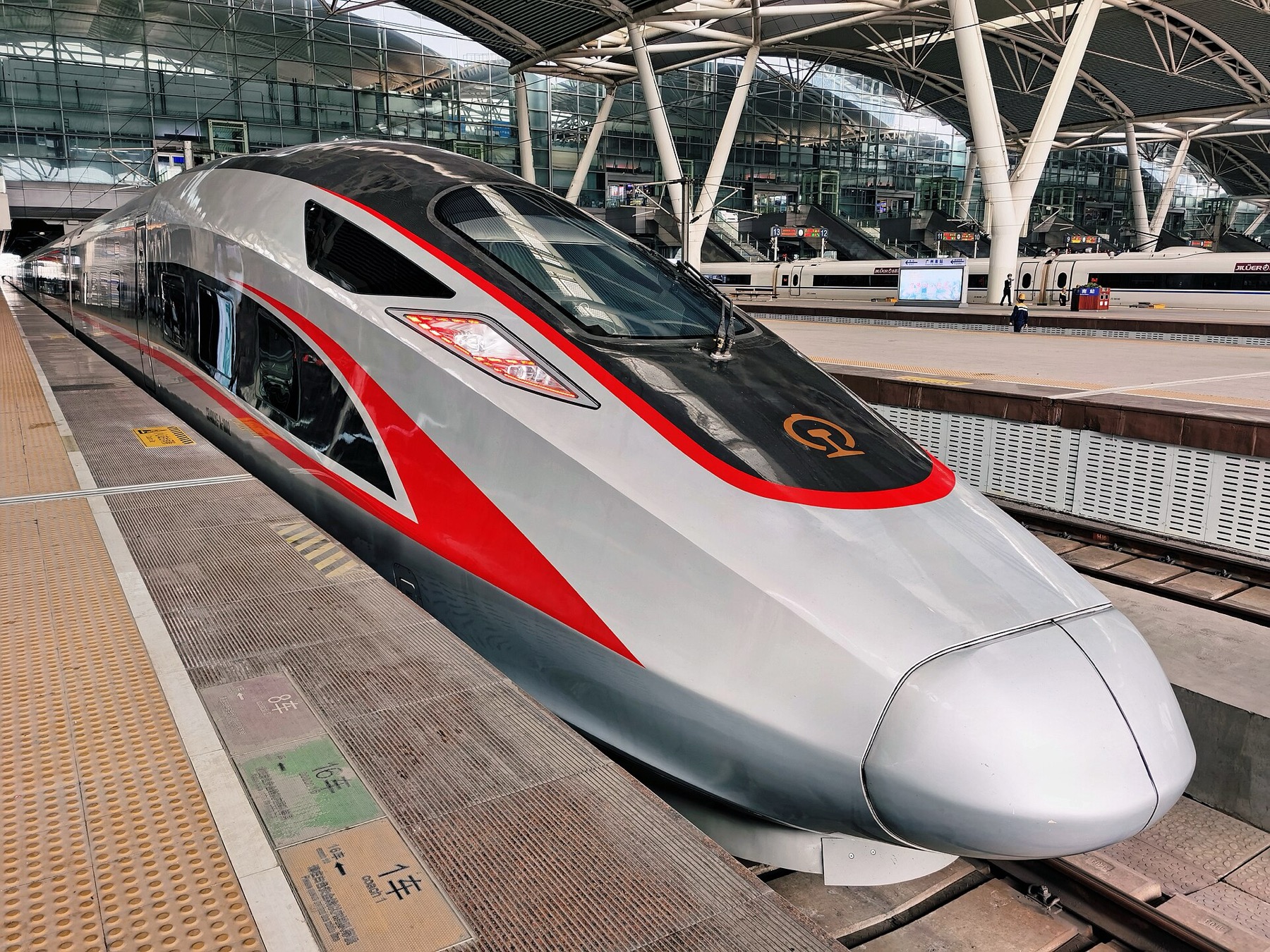
Assume Beijing Time for flights, high-speed rail, official events and national media. China Railway schedules are nationwide; a train departing at 10:00 uses the same official standard in Shanghai and Urumqi. Your phone will normally display UTC+8 when set to mainland China.
For personal appointments in Xinjiang, ask. Useful confirmation is more important than theoretical knowledge: “Do you mean 6 p.m. Beijing Time or local time?” If someone gives both, write both down. The two-hour difference is simple; the consequences of missing a departure are not.
Finally, look outside. Clock time is an agreement, while sunlight remains local. China’s one-zone system becomes understandable when we hold those two truths together: the country shares an official hour, but it does not share the same noon.
Join the conversation
What did this make you notice?
Should a national clock prioritize easy coordination or closeness to local daylight—and what would you be willing to trade for either one?