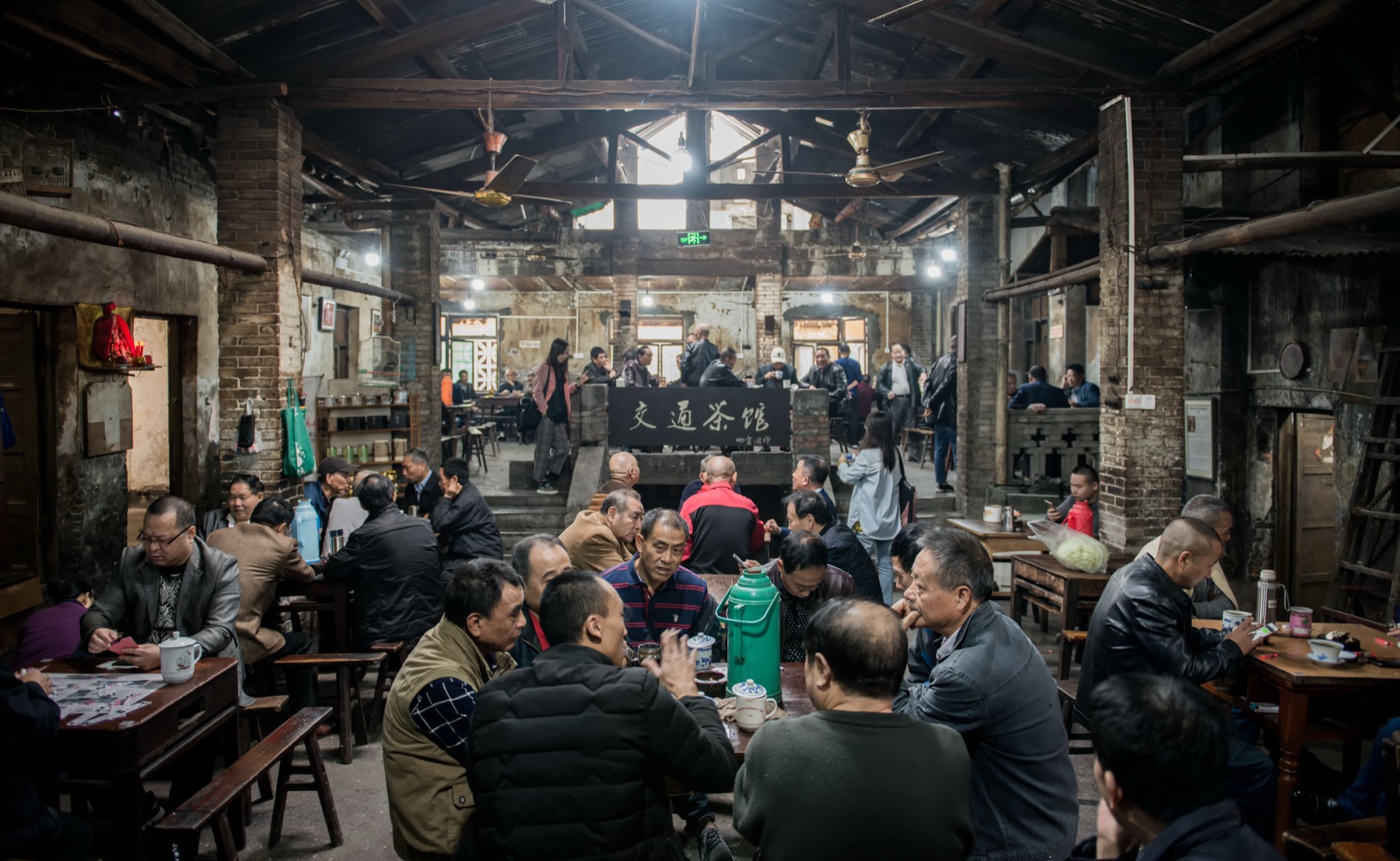
Chinese tea culture is not one ceremony repeated everywhere. It is a living field of regional knowledge, skilled making, hospitality and ordinary pauses. The best first lesson may be learning how to notice.
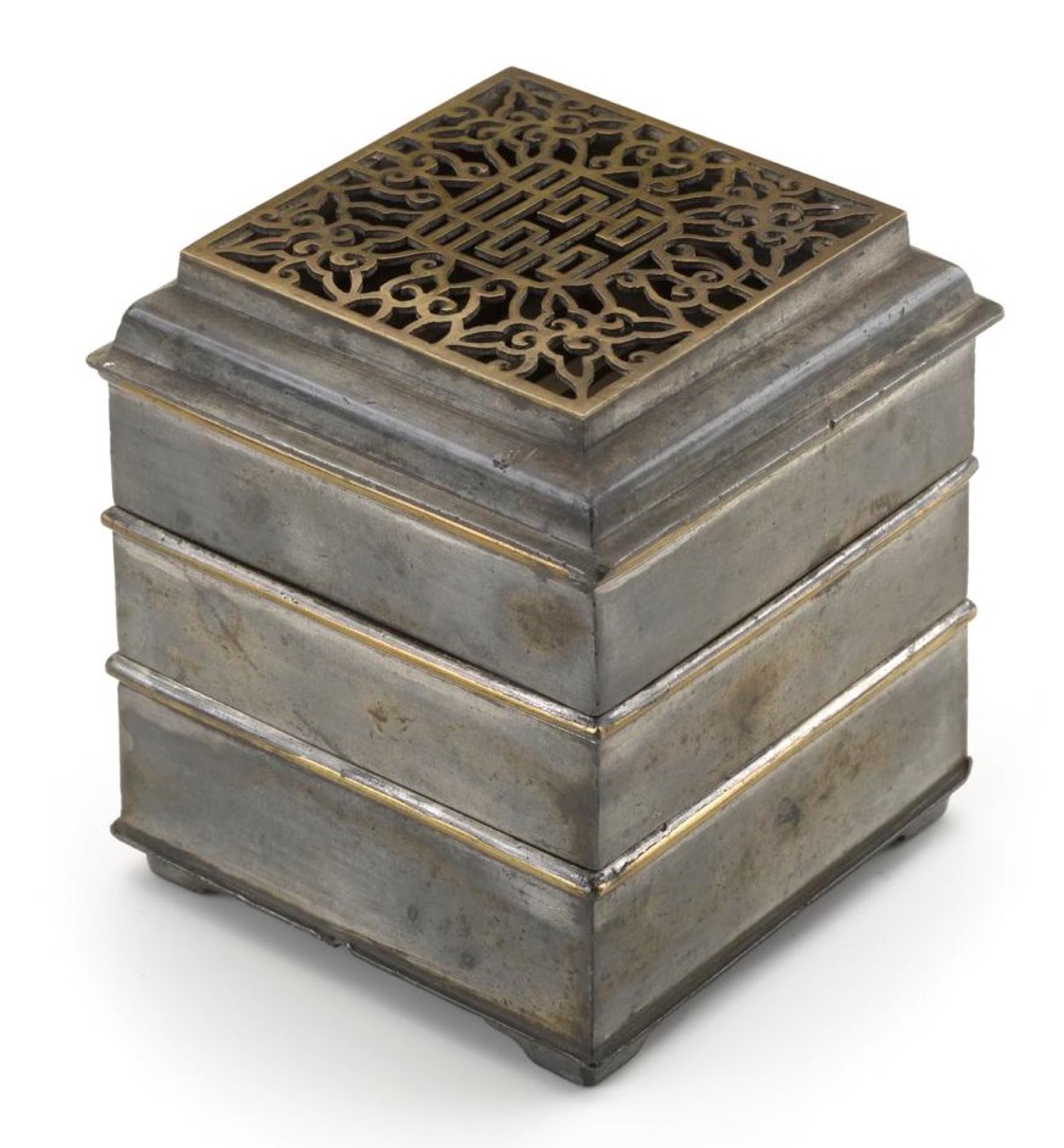
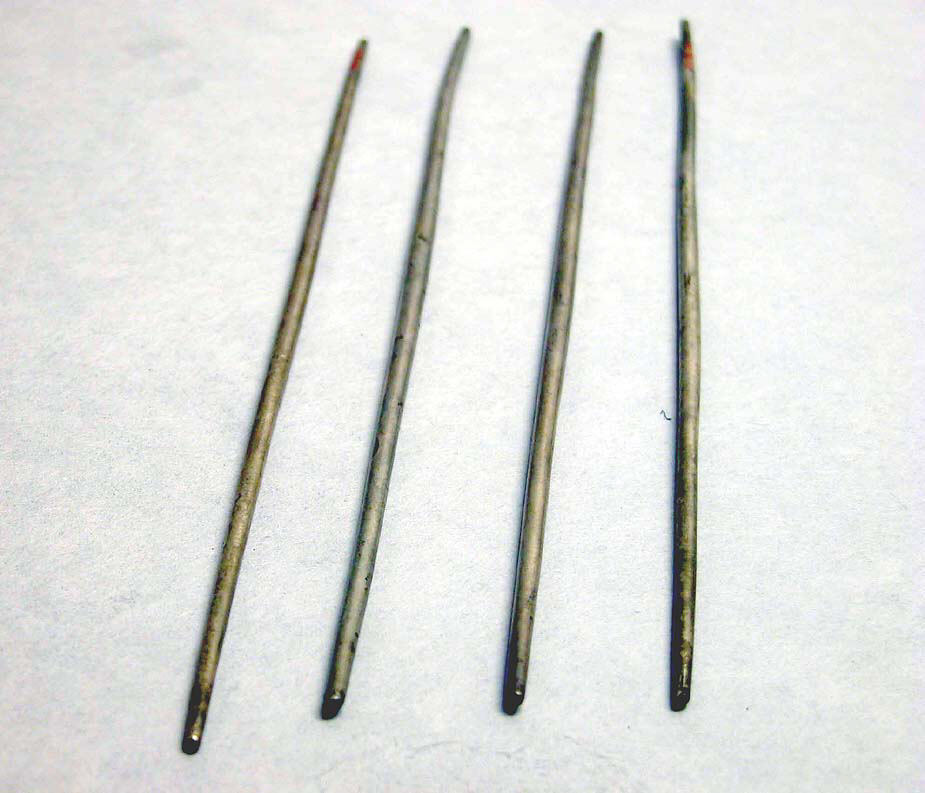
Chinese chopstick etiquette is often reduced to a list of prohibitions: never stand them upright in rice, never point, never drum on a bowl. Those warnings are useful, but they miss the larger design of the meal. Chopsticks belong to a table organized around shared dishes, shifting attention and relationships. Good manners are not a performance of memorized taboos. They are the practice of making collective eating feel easy.
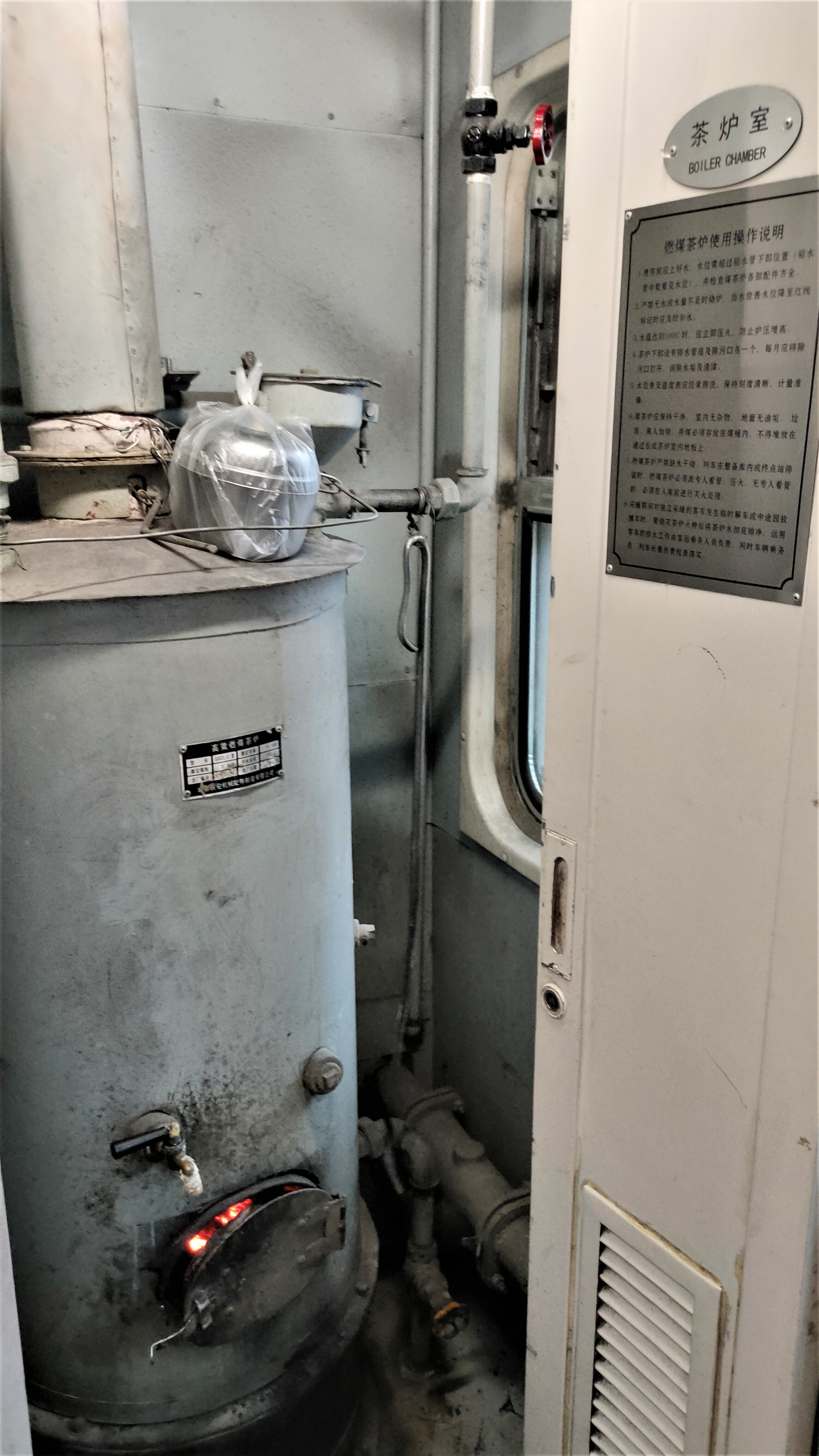
Many visitors notice that restaurants, offices, homes and trains in China readily provide warm or hot water while iced water may require a request. The habit is neither an ancient rule followed by every Chinese person nor proof that one temperature is medically superior. It grew from overlapping histories of boiling, tea, public-health campaigns, infrastructure, domestic routine and care.
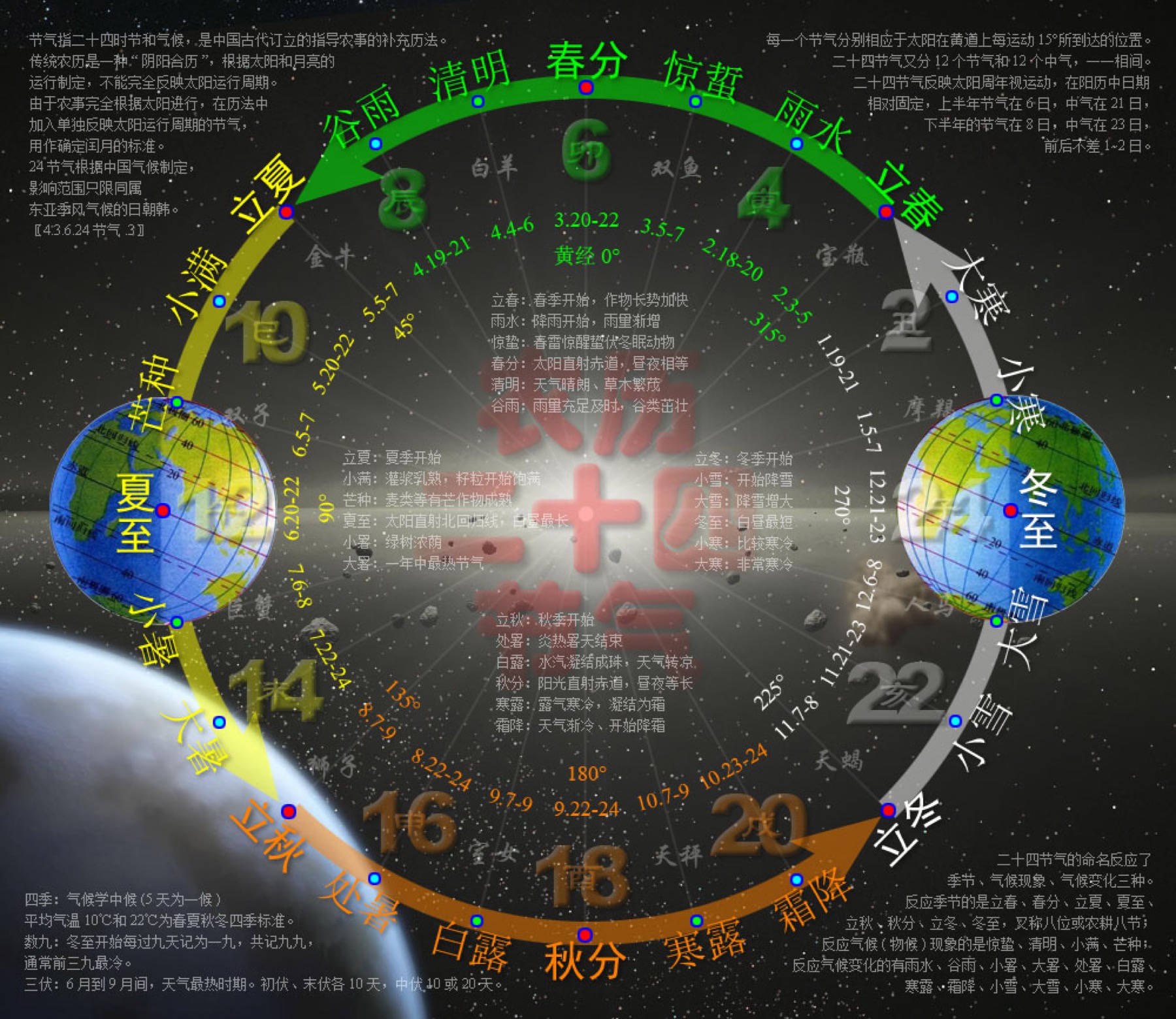
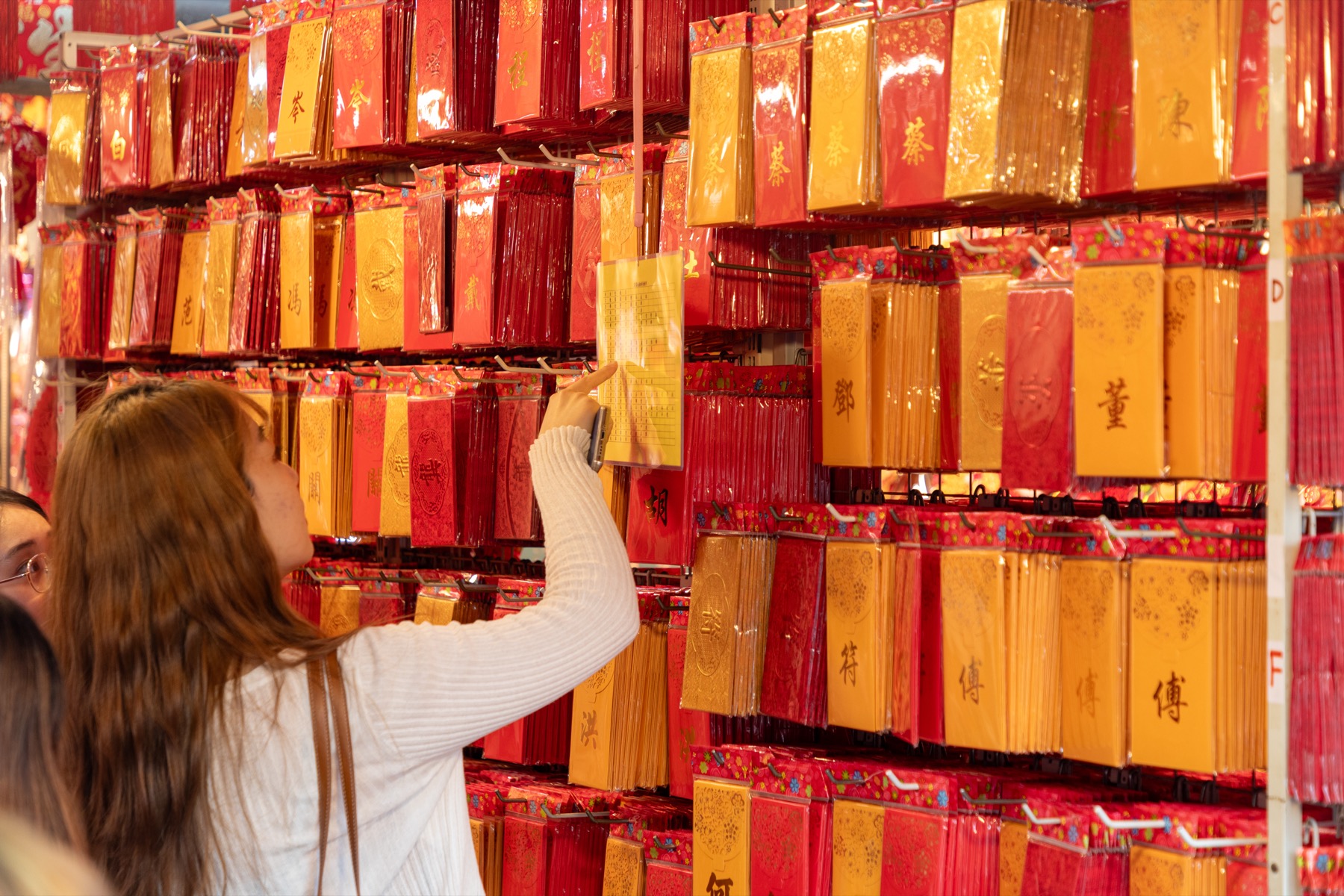
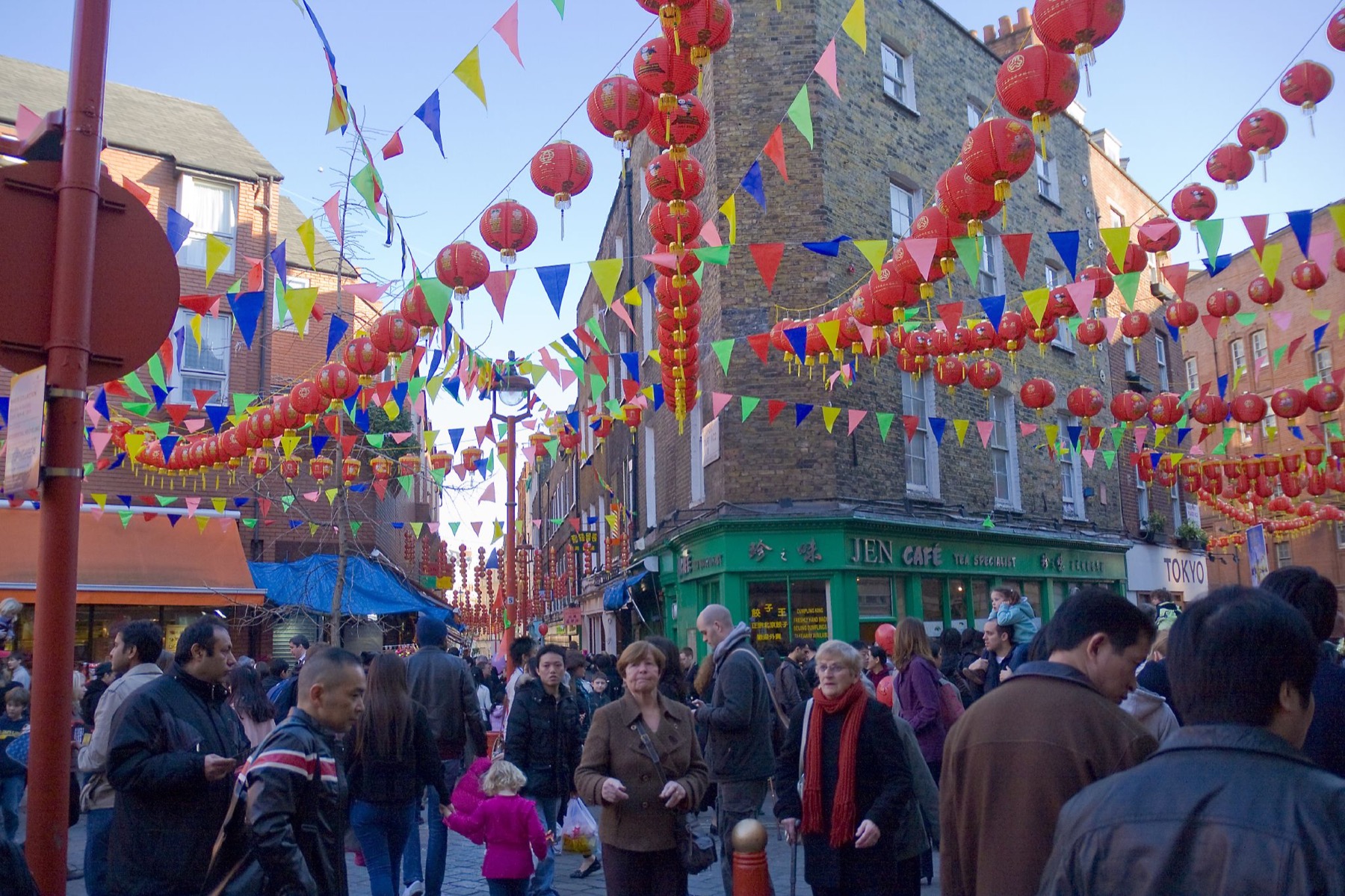
The date can fall in the coldest part of winter. Snow may cover northern streets, and spring blossoms may still be weeks away. Yet the holiday most English speakers call Chinese New Year is widely known in mainland China as Chunjie—Spring Festival. The name makes sense once “spring” is understood not as a weather report but as a calendrical threshold, a promise of renewal and a modern public name for a much older cluster of new-year practices. No single English term works perfectly everywhere. “Chinese New Year” is familiar but can make a festival observed in many societies sound exclusively national. “Lunar New Year” is inclusive, although the calendars involved are more precisely lunisolar: months follow lunar cycles while adjustments keep the year aligned with the solar seasons. “Spring Festival” is the standard name in contemporary China. Good cultural writing chooses the term that fits the people and place being discussed rather than declaring one label universally correct.
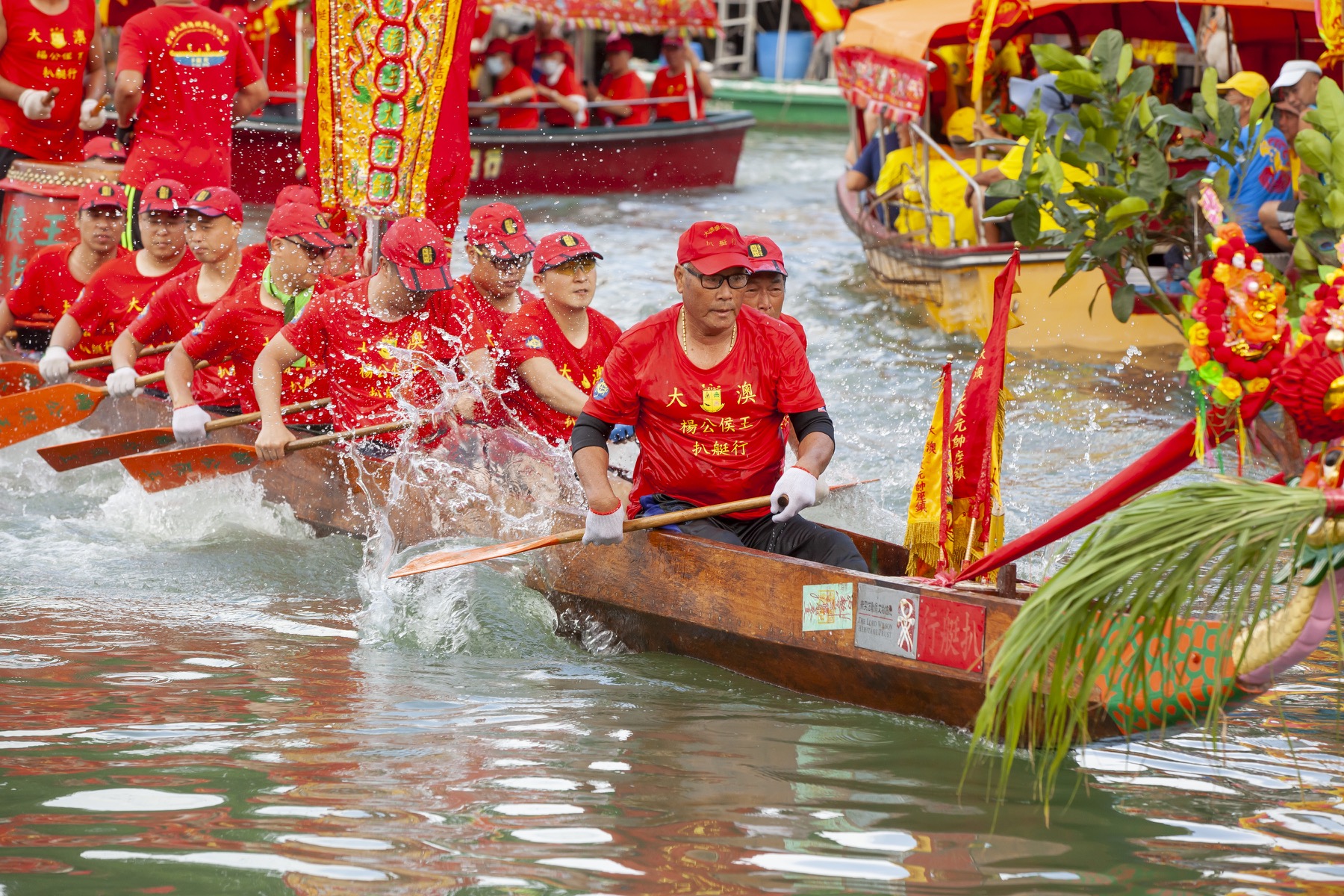
To many international viewers, the Dragon Boat Festival means a long painted boat, a drumbeat and a team of paddlers moving as one. The spectacle is real, but it is only one entrance into Duanwu. Across China, the fifth day of the fifth lunar month has also been a season of wrapped food, aromatic plants, protective objects, visits, remembrance and local water rituals. Understanding the festival requires holding two ideas together: shared recognition and regional difference. There is a national holiday called Duanwu, but there has never been one perfectly uniform way to live it.