
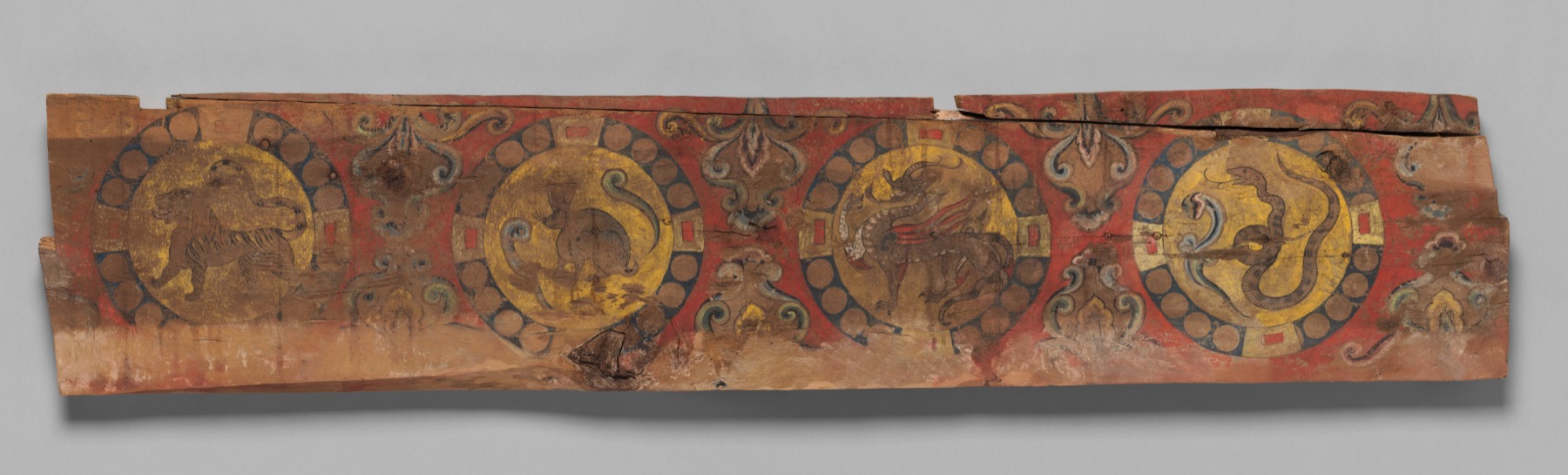
Your animal is only the doorway
Ask someone outside China what they know about the Chinese zodiac and they may name the animal of their birth year. The twelve signs—rat, ox, tiger, rabbit, dragon, snake, horse, goat, monkey, rooster, dog and pig—are memorable and easy to circulate. Restaurant placemats and online quizzes attach a neat personality to each one.
The traditional system is larger. The animals connect with a twelve-part cycle of time and interact with heavenly stems, yin and yang, and the five phases to create a sixty-year sequence. A birth year is not exhausted by one creature.
A story makes an order memorable
Popular tales explain the order through a race. The clever rat rides the ox and jumps ahead; the pig arrives last. Versions differ, and the tale should not be mistaken for the documented origin of the whole calendrical system. Its power lies elsewhere: story turns an abstract sequence into characters and motives that children can remember.
Each animal also carries histories beyond the zodiac. Horses relate to mobility and military power, pigs to domestic wealth, and dragons to rain and imperial imagery. The zodiac borrows from these wider associations without making them stable personality science.
A year can carry expectations
Families may regard some animal years as particularly auspicious or difficult. Such beliefs can affect wedding plans, birth timing, gifts and casual conversation, but practices vary enormously. Treating every Chinese person as governed by zodiac calculation mistakes a shared cultural reference for universal conviction.
Your own zodiac year, benmingnian, returns every twelve years and is often approached with caution. Red clothing or accessories may be worn for protection. Here the system becomes embodied: time is marked not only on a calendar but through what someone chooses to wear.
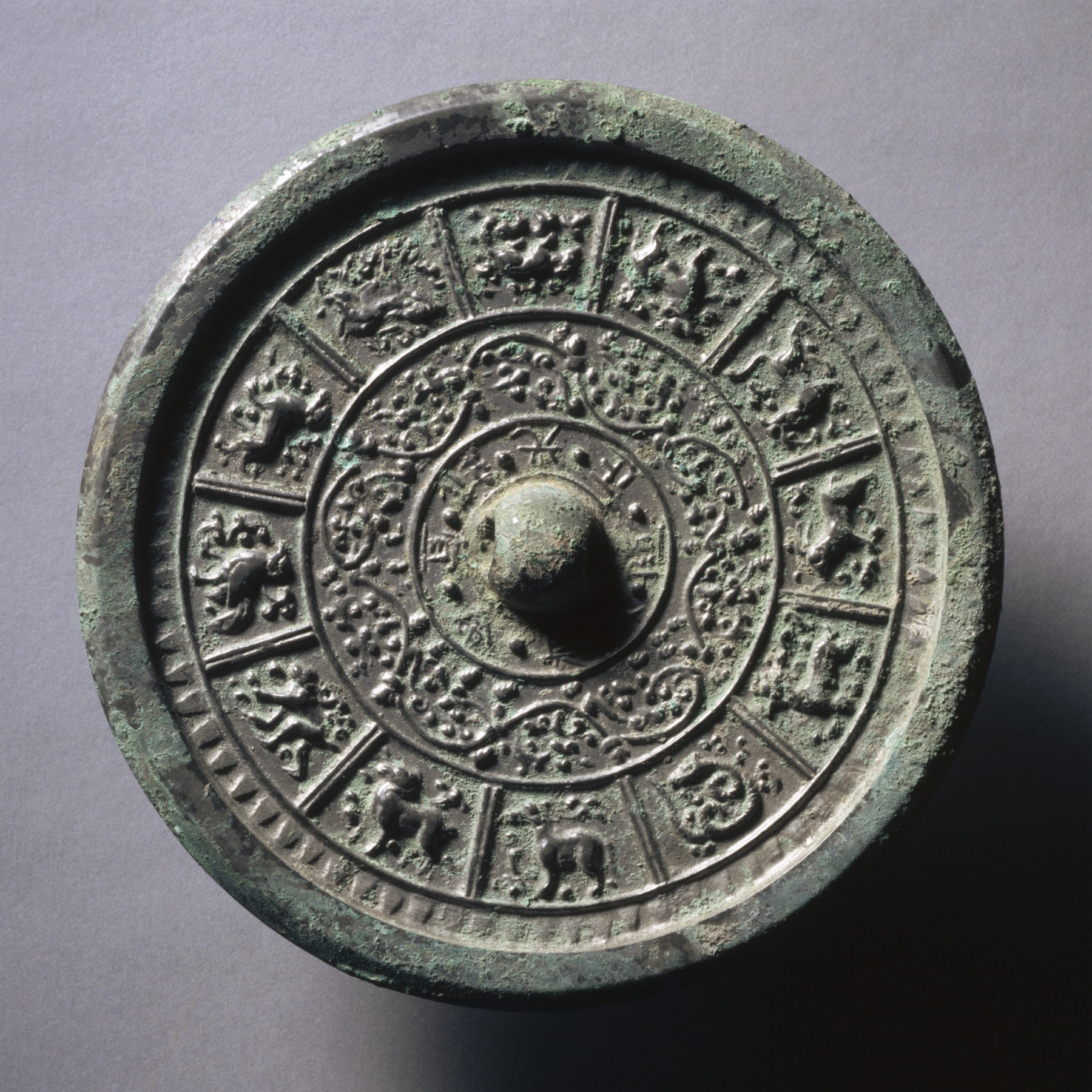
Animals travel through art
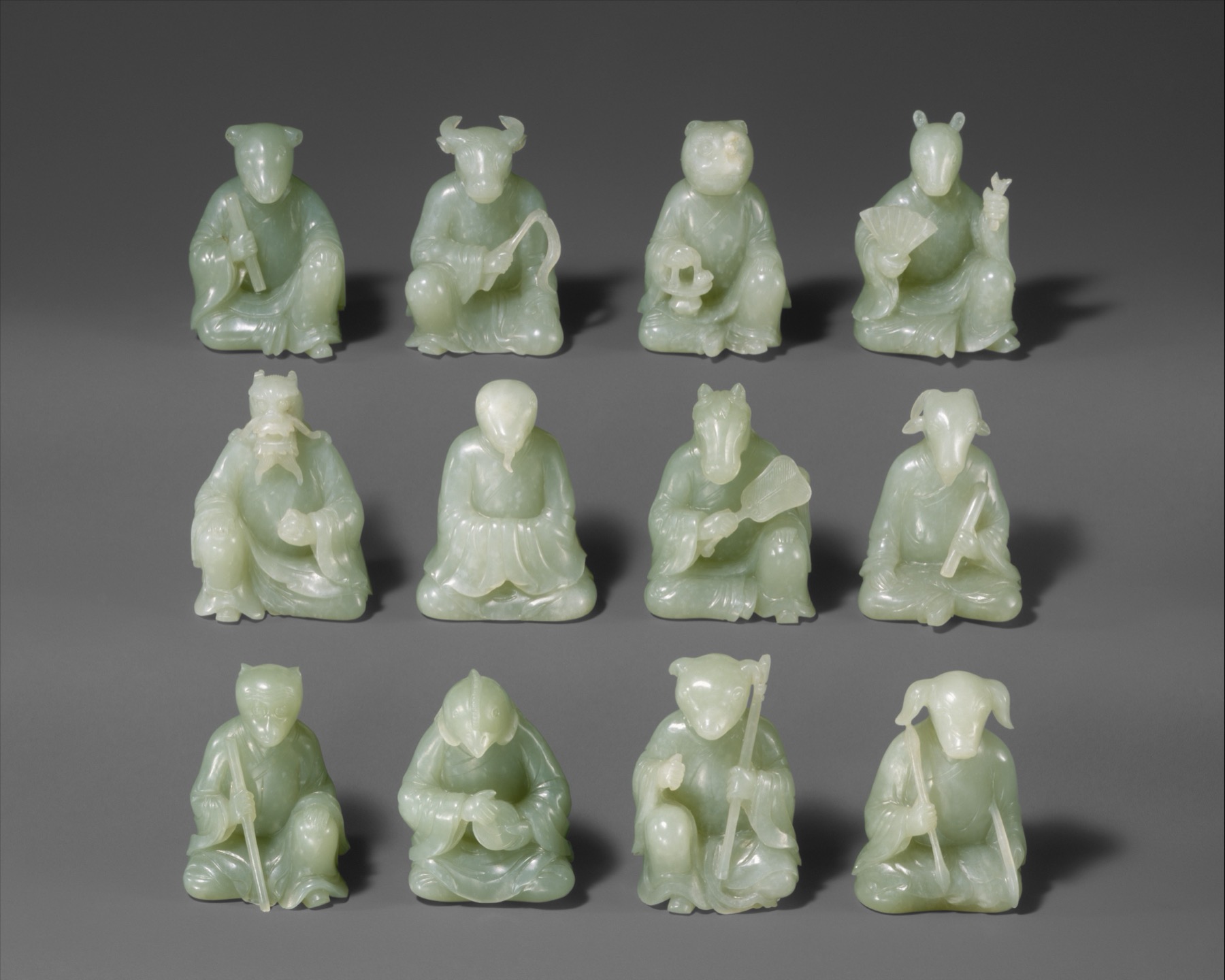
Zodiac animals appear on tomb figures, textiles, ceramics, prints, stamps and monumental contemporary sculpture. Their form changes with material. A small clay figure designed for a burial has a different social life from Ai Weiwei’s large bronze Circle of Animals/Zodiac Heads, which reworks fountain sculptures connected to the Yuanming Yuan and histories of looting and repatriation.
The cycle remains recognizable enough to carry new political and artistic questions. Tradition is not merely repeated; it becomes a tool for examining authenticity, ownership and national memory.
Use it as conversation, not diagnosis
If someone shares their animal, ask what the sign means in their family or whether they care about it at all. That question leaves room for belief, play, skepticism and memory. Declaring that a person must be stubborn because they are an ox closes the conversation before it begins.
The zodiac endures because it gives years texture. It helps people locate generations, anticipate recurrence and decorate a festival with a shared figure. Its cultural value does not depend on proving that twelve animals can predict a life.
Why January birthdays cause confusion
A zodiac year does not begin on January 1. The public festival cycle turns at Lunar New Year, whose date changes within the Gregorian calendar, while some astrological calculations use the solar term Beginning of Spring. That is why a person born in January or early February should not identify their animal by subtracting twelve-year intervals from a Western calendar chart. The relevant boundary and the tradition being used both matter.
This small complication reveals something important: calendars are cultural systems, not neutral containers. The Gregorian year, lunar months, solar terms and sexagenary cycle can coexist, each organizing a different kind of attention. Asking “What is my animal?” therefore leads naturally to a better question: according to which calendar and for what purpose?
How to meet the zodiac in everyday China
Around Lunar New Year, the incoming animal moves across shop windows, stamps, public decorations, luxury campaigns and children’s crafts. The repetition is not merely an illustration of belief. It gives a changing year a shared face and allows designers to translate an old cycle into new materials. Look at which traits are emphasized: a tiger may become bold geometry, a rabbit softness and speed, or a dragon a sweep of metallic line.
In conversation, zodiac signs can work like a light social shorthand. People may use them to estimate age without asking directly, joke about compatibility or recall relatives born in the same sign. Others pay little attention. That range—from serious consultation to seasonal play—is part of the tradition as it is actually lived. Cultural literacy means recognizing the reference without assuming the degree of belief.
Join the conversation
What did this make you notice?
What does your zodiac animal mean in your family—and what does it fail to explain about you?