
The tool shapes the bite
A pair of chopsticks is mechanically simple. One stick rests relatively still while the other pivots between fingers. Together they pinch, lift, separate, turn and guide food. They do not imitate a fork. Trying to spear every piece or grip both sticks in a fist removes the fine control for which the tool is designed. The most reliable technique uses small movements and a relaxed hand rather than force.
Chinese cuisines developed countless preparations suited to this way of eating: ingredients cut into manageable pieces, tender braises that separate with pressure, dumplings supported from below, noodles gathered and lifted. This does not mean every Chinese food must be eaten with chopsticks. Spoons are essential for soup, congee and delicate dishes; hands may be appropriate for buns or bones; regional and household habits differ. A table is a system of tools, not a purity test.
Shared dishes change the social geometry
At many Chinese meals, individual bowls surround dishes placed in the center. Diners move between personal and shared space repeatedly. That arrangement explains why attention matters. Reaching across another person, searching through a dish for a preferred piece or holding food above several plates makes one appetite dominate the table. Taking what is accessible and returning promptly keeps circulation smooth.
Serving chopsticks or spoons may be provided, especially in formal settings or where hygiene is emphasized. Use them when present. If they are absent, follow the host’s practice rather than announcing a universal rule. Some families transfer food directly with personal chopsticks; others do not. During and after public-health campaigns, expectations around communal utensils have also changed. Cultural fluency begins by observing the actual table.
Why upright chopsticks feel wrong
The best-known warning is not to leave chopsticks standing vertically in a bowl of rice. The arrangement can resemble incense offered in rituals for the dead, which makes it an uncomfortable image at an ordinary meal. Lay the chopsticks across a rest, beside the bowl or where the place setting indicates. If uncertain, copy the host.
Other gestures are discouraged because they change eating tools into signals of aggression, impatience or disorder. Pointing with chopsticks directs a sharp line at another person. Drumming on bowls creates noise and carries associations with begging in popular etiquette. Passing food directly from one pair of chopsticks to another may recall funerary practices in some East Asian contexts. Specific explanations vary, but the practical principle is stable: do not turn a shared meal into spectacle.
Offering food can be care—and can require tact
An older relative or host may place a favored piece into someone’s bowl. The gesture can express hospitality, affection or seniority: care becomes visible through food. A visitor who has learned only a strict rule against cross-use might misread the act. Yet modern preferences, allergies, dietary restrictions and hygiene concerns also matter. A gracious table makes room for both tradition and consent.
If you want to serve another person, use communal utensils when available and ask when the relationship is not close. If someone serves you food you cannot eat, thank them and explain simply. There is no need to dramatize refusal. Etiquette exists to protect relationships; it should not force anyone to ignore health, religion or personal boundaries.
Historical chopsticks were not all identical
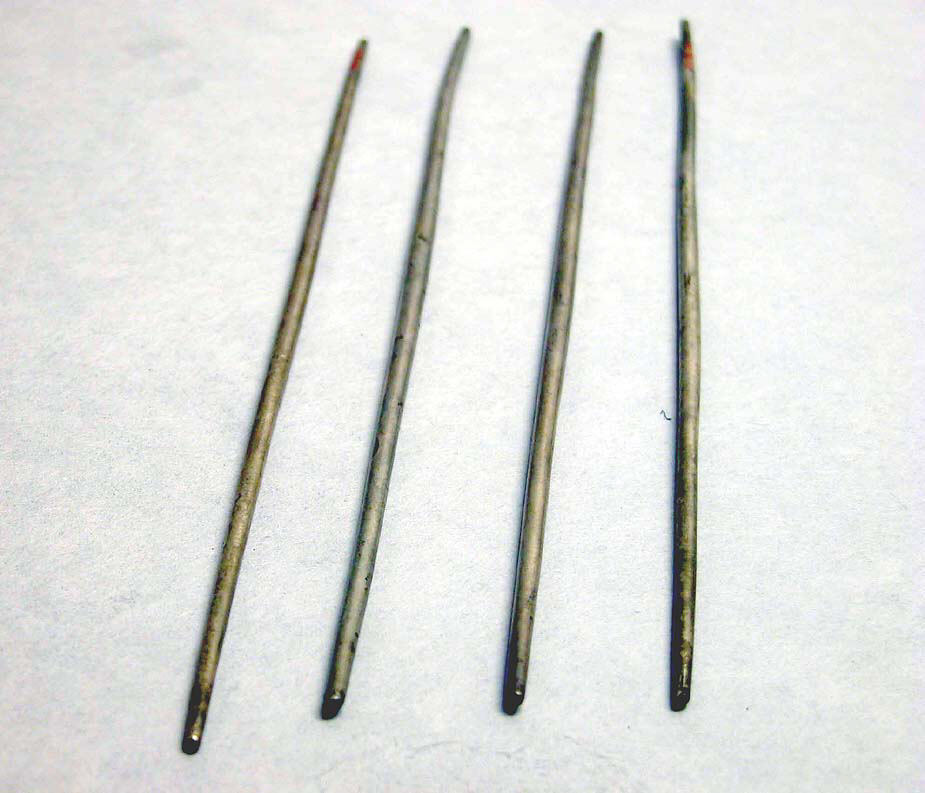
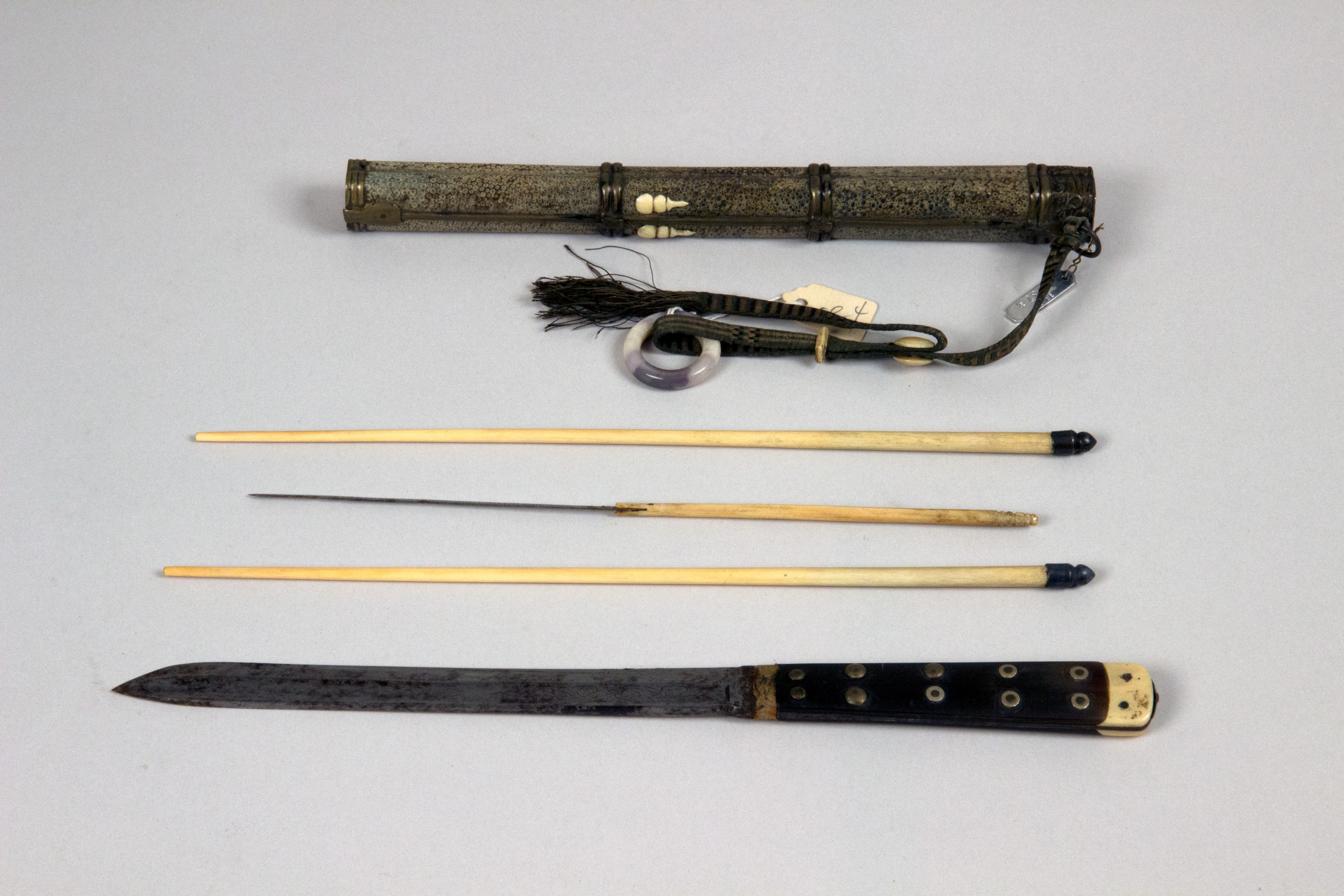
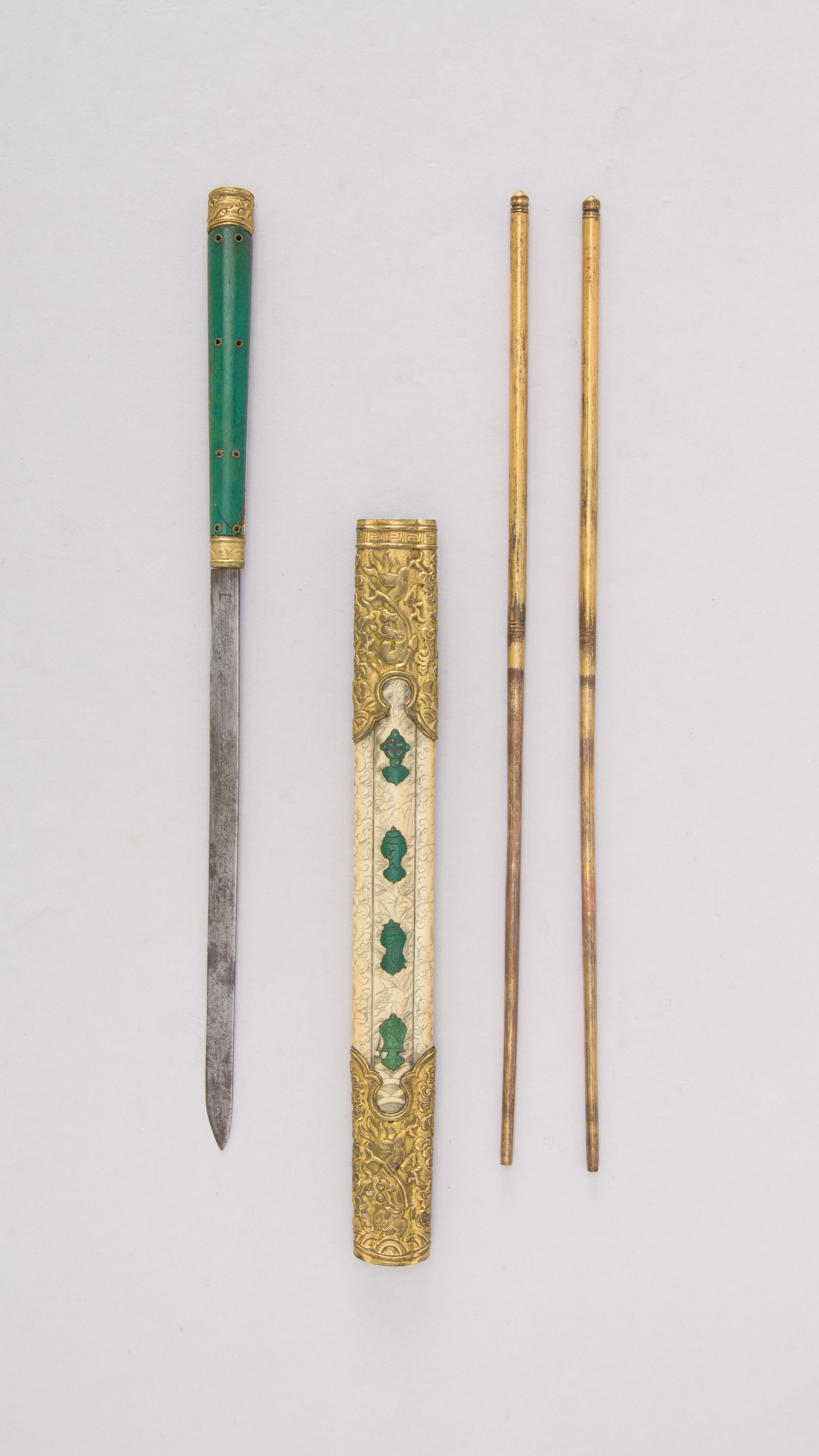
Museum collections complicate the image of two disposable wooden sticks. A Tang-period metal chopstick may survive as a single archaeological object. Later travel sets could combine chopsticks with a knife, pick, toothpicks or earspoon inside a sheath. Materials included bamboo, wood, metal, lacquer, bone and luxury substances. Shape, length and surface changed with time, region and use.
These objects also remind us that chopsticks connect China with a wider East Asian history. Practices in China, Japan, Korea, Vietnam and diasporic communities overlap without being interchangeable. Korean metal chopsticks, Japanese tapered forms and Chinese styles cannot be folded into one “Asian etiquette.” When traveling, learn the local table rather than carrying a single list across borders.
Small decisions reveal good manners
Do not wave chopsticks while speaking, lick them conspicuously, move communal dishes with them or dig through a plate. Avoid hovering indecisively above several dishes. Take a modest portion, bring it securely toward your bowl and continue the conversation. When bones or shells need to be removed, use the plate or designated area supplied rather than returning them to a shared dish.
At a banquet, seating, toasts and the order in which dishes arrive may matter more than technical chopstick perfection. The guest of honor may be seated in a significant position; the host may initiate eating; elders may be invited first. These customs vary. Watch, pause and accept gentle correction. A sincere learner with imperfect grip is usually easier company than an expert who lectures everyone else.
The most useful rule is attention
Visitors sometimes become so anxious about mistakes that they stop participating. That defeats the hospitality of the meal. Learn the gestures with strong ritual or social associations, then return your attention to people: notice when a dish needs to rotate, when someone is serving others, and when conversation asks you to put the chopsticks down.
Chopsticks make a Chinese table legible because they show how individual appetite meets shared space. Their elegance lies not only in picking up a slippery piece of food, but in doing so without disturbing the rhythm around it.
Join the conversation
What did this make you notice?
Which dining gesture in your own culture quietly tells other people that you are paying attention?